
Solar Reflective Coating for Industrial Buildings: Types and Benefits
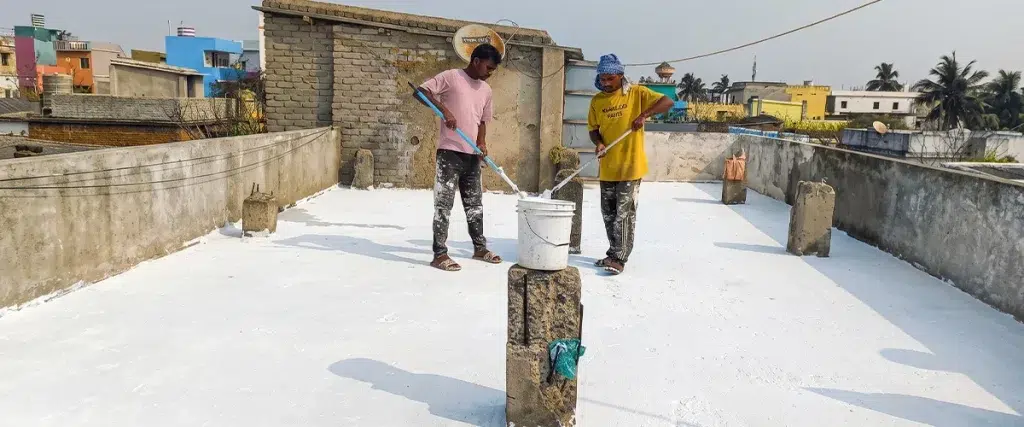
Industrial buildings often experience significant heat accumulation because of prolonged exposure to sunlight, particularly across large factory roofs, warehouses and manufacturing facilities. Roof surfaces absorb solar radiation and transfer heat into the building, affecting indoor working conditions and increasing the demand for cooling systems. Selecting the right high reflective paint can help address this challenge by reducing the amount of solar energy absorbed by the roof. However, choosing a suitable high reflective paint requires more than comparing product names. Building owners must consider roof material, surface condition, existing waterproofing, thermal insulation and the building's operational requirements. Reflective roof coatings are designed to improve the solar performance of exposed surfaces while supporting better building-envelope management. For industrial facilities, the right solution depends on the roof structure, climate exposure and maintenance requirements. Panache Green, an Indian manufacturer and solution provider of cool roof coatings, waterproofing and thermal insulation products, approaches these requirements through product selection, site inspection and technical consultancy. Understanding how reflective coatings work helps facility managers make informed decisions about roof protection and long-term building maintenance.
What Is the Best Heat Reflective Coating for Industrial Buildings?
The best heat reflective coating for an industrial building is one that suits the existing roof material, environmental exposure, surface condition and functional requirements of the facility. A coating should be evaluated for its solar reflectance, thermal emittance, compatibility with the substrate and suitability for the intended application.
A high-performance reflective roof system generally needs to address three important considerations:
-
Solar reflectance: The ability of a surface to reflect incoming sunlight instead of absorbing it.
-
Thermal emittance: The ability of a surface to release absorbed heat through thermal radiation.
-
Surface protection: The ability of the selected system to remain suitable for the roof's exposure and maintenance conditions.
A reflective coating can help reduce solar heat absorption, but it does not replace structural repairs, waterproofing or insulation where these are necessary.
For factories, logistics centres, production units and warehouses, the selection process should begin with a roof assessment rather than an assumption that one coating will work equally well on every surface.
How Does Solar Reflective Coating Work?
Solar reflective coatings work by changing how an exposed roof surface interacts with sunlight and heat.
During the day, sunlight reaches the roof and contains different wavelengths of solar energy. Conventional dark or weathered surfaces may absorb a considerable portion of this energy, causing the roof surface to become hot. Some of this absorbed heat can subsequently transfer into the building.
Reflective coatings are formulated to reflect a greater proportion of incoming solar radiation. Their thermal properties also influence how effectively the surface releases absorbed heat.
Understanding Solar Reflectance
Solar reflectance refers to the percentage of incoming solar energy reflected by a surface. A surface with higher solar reflectance absorbs less solar energy under comparable exposure conditions.
This property is particularly relevant for large industrial roofs because extensive exposed areas can contribute to heat accumulation within buildings.
Understanding Thermal Emittance
Thermal emittance describes how effectively a surface releases absorbed heat as infrared radiation.
A coating with suitable solar reflectance and thermal emittance can support improved roof thermal performance. Both properties matter when evaluating a cool roof solution.
What Is a Cool Roof?
A cool roof is a roofing surface designed to reflect more sunlight and absorb less heat than a conventional roof with similar exposure.
Cool roof coatings are commonly considered for factories, warehouses, commercial buildings, institutions and other structures with large exposed roof areas.
Types of Reflective Coatings for Industrial Roofs
Different industrial buildings have different roofing materials and operating requirements. Understanding the available coating categories helps facility managers identify an appropriate solution.
1. High SRI Roof Coatings
High Solar Reflectance Index (SRI) coatings are designed to combine solar reflectance and thermal emittance characteristics.
SRI is a calculated indicator used to compare the temperature-related performance of roofing surfaces under specified conditions. It considers both reflectance and emittance rather than evaluating either property independently.
These coatings can be considered for:
-
Manufacturing facilities
-
Industrial warehouses
-
Commercial buildings
-
Institutional buildings
-
Green building applications
Panache Green offers its CoolTops range, including CoolTops Premium, CoolTops Eco and CoolTops Xpress, as part of its high SRI coating segment. The appropriate product should be selected according to the roof's condition and application requirements.
2. Reflective Coatings for Metal Roofs
Metal sheet roofs are widely used in industrial sheds and warehouse structures because of their construction requirements and building design.
However, exposed metal surfaces can become hot under direct sunlight. A suitable reflective coating may help reduce solar heat absorption.
Before application, consider:
-
Existing corrosion or rust
-
Loose or peeling previous coatings
-
Joints, fasteners and roof penetrations
-
Surface contamination
-
Compatibility between the coating and metal substrate
Corroded areas and damaged joints should be addressed before applying a new coating. A reflective layer should not be treated as a substitute for repairing deteriorated metal sheets.
3. Reflective Coatings for Concrete Roofs
Concrete roofs are commonly found in industrial buildings, institutional facilities and commercial structures.
Their performance depends on concrete quality, surface condition, drainage and existing protective treatments.
A reflective coating may be appropriate when the concrete surface is structurally sound and properly prepared. Cracks, water seepage, damaged areas and surface deterioration should be evaluated before coating work begins.
4. Waterproofing-Compatible Roof Systems
Some industrial roofs require both solar protection and moisture management.
In these situations, reflective coatings should be considered alongside an appropriate waterproofing system. A waterproofing membrane is a protective layer designed to prevent water from passing through a building surface or structure.
The reflective topcoat and waterproofing layer serve different purposes. Their compatibility must be checked before combining them into a roof protection system.
Reflective Coating vs Thermal Insulation vs Waterproofing
These three solutions are related but perform different functions. Selecting the correct approach depends on the building's actual problem.
| Solution | Primary function | Suitable application |
|---|---|---|
| Reflective coating | Reflects incoming solar energy | Exposed industrial roofs |
| Thermal insulation | Slows heat transfer through the building envelope | Roofs and walls |
| Waterproofing | Helps prevent water penetration | Roofs, joints and vulnerable surfaces |
When Should You Choose Reflective Coating?
Consider a reflective coating when the roof receives substantial sunlight and solar heat absorption is an important concern.
It is particularly relevant for exposed metal and concrete roof surfaces, provided the substrate is suitable.
When Is Thermal Insulation Necessary?
Thermal insulation helps reduce heat transfer between the external environment and indoor spaces.
For buildings that require improved thermal performance beyond what a reflective surface can provide, insulation may be an important part of the solution.
Panache Green offers thermal insulation products such as Insulmix Roof Screed, Wall Plaster and Wall Texture for relevant building applications.
When Is Waterproofing Required?
Waterproofing becomes important when the roof experiences leakage, seepage, water accumulation or deterioration of existing protective layers.
Applying reflective paint over an unresolved leakage problem will not correct the underlying cause. Waterproofing requirements should be assessed independently before selecting the final roof system.
How to Select the Right High Reflective Paint for Industrial Buildings
Choosing a suitable coating involves evaluating the building as a complete system rather than considering the roof surface alone.
1. Identify the Existing Roof Material
Start by identifying whether the roof consists of metal sheets, concrete, an existing waterproofing layer or another substrate.
Different materials require different preparation methods and coating compatibility checks.
2. Evaluate Roof Condition
Inspect the surface for:
-
Cracks and visible deterioration
-
Rust and corrosion on metal sheets
-
Existing coating failures
-
Water leakage and damp patches
-
Loose particles and accumulated dust
-
Damaged joints and drainage points
Repairs should be completed before coating application wherever necessary.
3. Consider Local Climate Exposure
Sunlight intensity, rainfall, humidity, dust and seasonal weather conditions influence roof maintenance and coating requirements.
The selected system should be appropriate for the building's actual environmental exposure. Application should also follow the product manufacturer's recommended weather and surface conditions.
4. Understand Building Operations
A manufacturing plant may have different requirements from a storage warehouse or institutional building.
Consider the following:
-
Operating hours and occupancy patterns
-
Existing ventilation arrangements
-
Indoor equipment and heat-generating processes
-
Cooling system requirements
-
Roof accessibility and maintenance frequency
A reflective coating addresses solar heat absorption at the roof surface. It cannot independently eliminate heat generated by machinery, production processes or inadequate ventilation.
5. Check Product Compatibility
Before purchasing a coating, review its technical documentation and application guidelines.
Confirm the recommended substrate, surface preparation, primer requirements, application method and compatibility with existing waterproofing or insulation systems.
Application Process: Important Considerations
Correct application is essential for achieving the intended coating performance. Even a suitable product may not perform as expected if the preparation and application stages are neglected.
A typical application process involves the following steps:
Step 1: Site Inspection
Inspect the roof to identify its material, condition, drainage arrangements and existing protective layers.
Step 2: Surface Cleaning
Remove accumulated dust, dirt, loose particles, grease and other contaminants using suitable cleaning methods.
Step 3: Repair and Preparation
Address cracks, damaged joints, corrosion and other surface defects using compatible repair materials. Allow repaired areas to become suitable for subsequent coating work.
Step 4: Primer Application
Apply a primer if required by the selected coating system. Primer selection should depend on the substrate and manufacturer's instructions.
Step 5: Reflective Coating Application
Apply the coating using the recommended equipment and application procedure. Follow the specified coverage, number of coats and drying requirements provided in the technical documentation.
Step 6: Final Inspection
Check for uneven coverage, missed areas, coating defects and incomplete treatment around roof edges, joints and penetrations.
Maintenance inspections should subsequently be planned according to roof exposure and the manufacturer's recommendations.
Common Mistakes to Avoid
Industrial roof coating projects can face unnecessary complications when important technical considerations are overlooked.
Avoid these common mistakes:
-
Applying coatings over dusty, oily or poorly prepared surfaces.
-
Ignoring existing leakage before starting reflective coating work.
-
Using the same coating system for metal and concrete without checking compatibility.
-
Assuming that reflective coatings eliminate the need for thermal insulation.
-
Overlooking roof drainage and water accumulation.
-
Selecting products based only on appearance or price.
-
Ignoring manufacturer-recommended application and maintenance procedures.
A professional assessment can help identify whether the building needs reflective coating alone or a combination of reflective, waterproofing and insulation solutions.
How Panache Green Supports Industrial Roof Solutions
Panache Green has been working in the building protection and surface solutions segment since 2011. Based in Vadodara, Gujarat, the company offers high SRI cool roof coatings, waterproofing products and thermal insulation solutions.
Its approach extends beyond product manufacturing to include site inspection, audits and consultancy for identifying suitable building protection requirements.
For industrial roofing applications, its relevant product range includes CoolTops Premium, CoolTops Eco and CoolTops Xpress. Cool Wrap is another product within its high SRI coatings segment.
Where a project requires additional building protection, Panache Green also offers waterproofing solutions such as FASC, FAP and Eco Ce Bond admix.
The company's Insulmix Roof Screed, Wall Plaster and Wall Texture products address relevant thermal insulation applications.
Rather than assuming that every building requires the same treatment, the selection process should consider roof construction, existing surface conditions, water exposure and the facility's operational needs.
Businesses considering high reflective paint can request a site assessment to understand the suitability of the coating and whether additional waterproofing or insulation measures are required.
Conclusion
Reflective roof coatings can play an important role in improving the thermal performance of industrial buildings by reducing solar heat absorption. However, the right solution depends on roof material, surface preparation, climate exposure, waterproofing requirements and building operations.
For factory owners, warehouse operators and facility managers, the most effective approach is to assess the entire roof system before selecting a coating. Combining reflective technology with appropriate waterproofing and thermal insulation, wherever required, can support a more comprehensive building protection strategy.
Panache Green provides cool roof coatings, waterproofing and insulation solutions backed by site inspection and consultancy to help businesses evaluate their building requirements.
Frequently Asked Questions
1. What is the main purpose of high reflective paint on industrial roofs?
Its main purpose is to reflect a greater proportion of incoming solar radiation, helping reduce heat absorption by exposed roof surfaces. Its suitability depends on the roof material and coating characteristics.
2. Can reflective coating be applied to an existing metal roof?
Yes, subject to the metal roof's condition and the selected product's compatibility. Rust, damaged joints, loose coatings and surface contamination should be addressed before application.
3. Is reflective coating enough to control indoor heat in a factory?
Not always. Indoor heat also depends on machinery, ventilation, insulation, occupancy and building design. Additional thermal insulation or ventilation improvements may be necessary.
4. Does reflective roof coating replace waterproofing?
No. Reflective coatings and waterproofing systems perform different functions. If a roof has leakage or water penetration issues, the underlying problem requires suitable waterproofing treatment.
5. How should businesses choose a suitable industrial roof coating?
Businesses should evaluate roof material, surface condition, solar exposure, existing protective layers, application requirements and maintenance needs. Reviewing technical documentation and arranging a professional roof assessment can help identify a suitable system.
 English
 Arabic
 French
 Spanish
 Portuguese
 Deutsch
 Turkish
 Dutch
 Italiano
 Russian
 Romaian
 Portuguese (Brazil)
 Greek