
How Does Native Sutra Turn Client Ideas into Practical Interior Solutions?
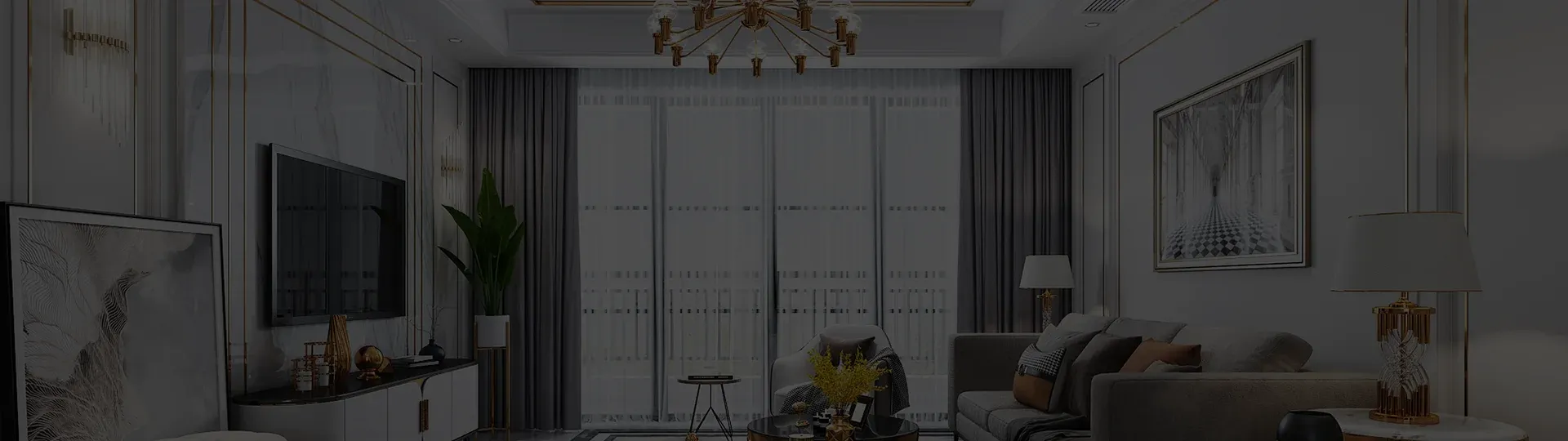
Every homeowner has a unique vision for their dream space, but transforming inspiration into a functional interior requires thoughtful planning and technical expertise. Many homeowners wonder, How does Native Sutra turn client ideas into practical interior solutions? The process begins with understanding individual lifestyles, design preferences, spatial requirements, and budgets before developing a customised design direction. As a bespoke interior designer in gurgaon, Native Sutra combines creative thinking, architectural planning, and craftsmanship to create meaningful spaces. Its approach also makes it relevant for clients seeking experienced interior design consultants gurgaon and professional interior designer in gurugram services.
1. Understanding the Client's Vision
The first step in transforming an idea into a practical interior is understanding what the client actually wants.
A homeowner might be inspired by a luxury hotel, a minimalist apartment, traditional Indian craftsmanship, or a contemporary villa. However, inspiration alone is not enough to create a successful design.
Native Sutra's approach begins with understanding:
- Lifestyle and family requirements.
- Personal design preferences.
- Functional expectations.
- Existing furniture and belongings.
- Storage and space requirements.
- Budget considerations.
- Long-term expectations from the property.
For example, a family that frequently entertains guests may require an open living and dining arrangement, while a family with young children might prioritise durable materials, accessible storage, and practical furniture.
Understanding these differences helps the design team develop solutions that are personalised rather than generic.
2. Translating Inspiration into a Clear Design Concept
Clients often communicate their ideas through photographs, Pinterest references, magazine images, sketches, or verbal descriptions.
The challenge is to convert these references into one cohesive design language.
Native Sutra's concept development process brings together colours, textures, materials, furniture styles, and architectural elements to establish the overall direction of a project.
This may involve:
- Developing moodboards.
- Creating colour palettes.
- Selecting material combinations.
- Establishing furniture styles.
- Exploring lighting concepts.
- Identifying decorative elements.
- Defining the overall interior aesthetic.
For instance, someone who likes minimalist interiors may initially imagine an entirely white home with very little furniture. However, the design team can interpret that preference through warm neutral tones, natural textures, concealed storage, and carefully selected statement pieces.
The result is a more comfortable and practical interpretation of the original idea.
3. Creating Functional Space Planning Solutions
A beautiful interior must work efficiently in everyday life.
Space planning is therefore one of the most important stages of converting client ideas into practical solutions.
The design team considers how different areas connect, how people move through the property, and how furniture can be positioned without compromising comfort.
Important considerations include:
- Living room furniture arrangements.
- Kitchen workflow and storage.
- Bedroom circulation.
- Wardrobe positioning.
- Dining area accessibility.
- Lighting requirements.
- Functional zoning.
- Available natural light.
For example, a compact apartment may benefit from multifunctional furniture, integrated storage, and carefully planned circulation.
A large villa, on the other hand, may require a different approach involving multiple entertainment areas, private family spaces, guest accommodation, and carefully coordinated architectural details.
The objective is to make every area purposeful without overcrowding the property.
4. Using 3D Visualisation to Bring Ideas to Life
One of the difficulties homeowners face during interior design is imagining how a completed space will look.
A material sample or furniture photograph may appear attractive individually, but the combination can look completely different when placed within an actual room.
Three-dimensional visualisation helps bridge this gap.
Native Sutra includes 3D renders and styling within its interior design services.
These visualisations can help clients understand:
- Furniture proportions.
- Colour combinations.
- Material relationships.
- Lighting arrangements.
- Overall room aesthetics.
- Spatial relationships.
This also gives clients an opportunity to review the design direction before major execution decisions are finalised.
If a particular material, colour, or furniture arrangement does not match their expectations, the design can be discussed and refined before proceeding.
5. Selecting Materials That Balance Aesthetics and Durability
Material selection plays a significant role in determining whether an interior remains attractive and functional over time.
A homeowner might prefer natural stone, premium veneers, textured finishes, or sophisticated metallic accents. However, every material needs to be evaluated according to its application and maintenance requirements.
Native Sutra's design approach brings together material selection, craftsmanship, and contemporary design principles.
Some important considerations include:
- Durability and expected usage.
- Maintenance requirements.
- Resistance to everyday wear.
- Compatibility with existing finishes.
- Visual consistency.
- Availability and project budget.
- Installation requirements.
For example, a family living in a busy household may prefer durable upholstery and easy-to-maintain surfaces in frequently used areas.
Similarly, a luxury guest bedroom may benefit from carefully selected fabrics, decorative lighting, and sophisticated finishes that create a more relaxed atmosphere.
The right material should support both the intended appearance and the practical requirements of the space.
6. Developing Detailed Drawings for Accurate Execution
A creative design becomes useful only when it can be translated into clear execution instructions.
This is where technical detailing becomes essential.
Native Sutra's interior design services include working drawings that help communicate design requirements during execution.
Depending on the project, these may cover:
- Furniture layouts.
- Electrical points.
- Lighting positions.
- Ceiling details.
- Kitchen arrangements.
- Wardrobe dimensions.
- Wall finishes.
- Custom furniture specifications.
Detailed documentation helps different execution teams understand the approved design and reduces confusion during implementation.
It also creates a clearer reference for discussing design changes and material specifications.
7. Connecting Design with Turnkey Execution
One of the biggest challenges in interior projects is maintaining consistency between the approved design and the finished property.
A homeowner may have a well-developed design concept but still struggle with procurement, contractor coordination, installation, and site supervision.
Native Sutra addresses this through its turnkey execution services.
Its published process includes:
Transparent budgeting: Defining project costs according to the approved scope and selected materials.
Material and vendor coordination: Coordinating sourcing and delivery requirements.
Execution planning: Organising activities according to the project requirements.
Site management: Monitoring ongoing execution and coordinating different teams.
Quality inspection: Reviewing workmanship and completed details.
This integrated approach helps connect the creative stage with practical implementation.
8. Designing Around Individual Lifestyles
A practical interior is not simply a collection of attractive rooms. It should support the way people live.
Consider three different homeowner requirements.
A working professional: May need a comfortable home office, organised storage, good lighting, and a relaxing living environment.
A growing family: May prioritise flexible bedrooms, functional kitchens, durable furniture, and efficient storage.
An NRI homeowner: May require a complete design and execution approach with coordinated site management because regular property visits are difficult.
Each situation requires a different design response.
Native Sutra's client-centric approach focuses on translating these individual requirements into interiors that combine functionality, aesthetics, and personal character.
9. Why Choose Native Sutra for Personalised Interior Design?
Native Sutra combines architecture, interior design, product design, material curation, and craftsmanship to develop customised spaces.
Its approach is particularly relevant for homeowners who want their ideas to be understood and translated into a practical design rather than simply choosing from standard interior packages.
From initial concept discussions to detailed planning and turnkey execution, the objective is to maintain a clear relationship between the client's expectations and the final outcome.
Whether designing a contemporary apartment, a spacious villa, or a premium residential property, thoughtful planning helps ensure that aesthetics and everyday functionality work together.
Frequently Asked Questions
1. How does an interior designer understand a client's requirements?
An interior designer understands client requirements through consultations, lifestyle discussions, design references, site assessments, and budget planning. These details help establish a clear design brief.
2. Does Native Sutra provide customised interior design solutions?
Yes. Native Sutra describes its approach as client-centric, combining individual requirements, architectural planning, material selection, and craftsmanship to create personalised interiors.
3. Does Native Sutra provide 3D interior design visualisations?
Yes. Its interior design services include 3D renders and styling to help clients understand the proposed design before execution.
4. Can client ideas be modified during the design process?
Design concepts can be discussed and refined during the planning stage. Major changes should be reviewed for their impact on cost, drawings, materials, and project timelines before approval.
5. Does Native Sutra manage design and execution together?
Yes. Native Sutra provides interior design and turnkey execution services. The exact scope depends on the selected service and agreed project requirements.
Conclusion
Transforming client ideas into practical interior solutions requires a balance of creativity, technical knowledge, material understanding, and execution planning.
Native Sutra follows an integrated approach that connects design concepts with functional space planning, detailed drawings, material selection, and turnkey execution.
For homeowners planning a personalised interior transformation in Gurgaon, the right design process can make the difference between an attractive concept and a space that genuinely supports everyday living.
Connect with Native Sutra to discuss your design ideas and explore possibilities for creating a home that reflects your lifestyle and preferences.
 Portuguese (Brazil)
 English
 Arabic
 French
 Spanish
 Portuguese
 Deutsch
 Turkish
 Dutch
 Italiano
 Russian
 Romaian
 Greek