
Elevator Dental Extraction: Simple Tools for Gentler Tooth Removal

Some days, an extraction looks routine on the X-ray and turns stubborn the moment you start. The root won't budge, the crown feels fragile, and you don't want to fracture anything you'll have to chase later. That's where an elevator dental extraction instrument earns its spot on your tray. It's a simple medical instrument, but it shapes how calm and controlled the whole procedure feels.
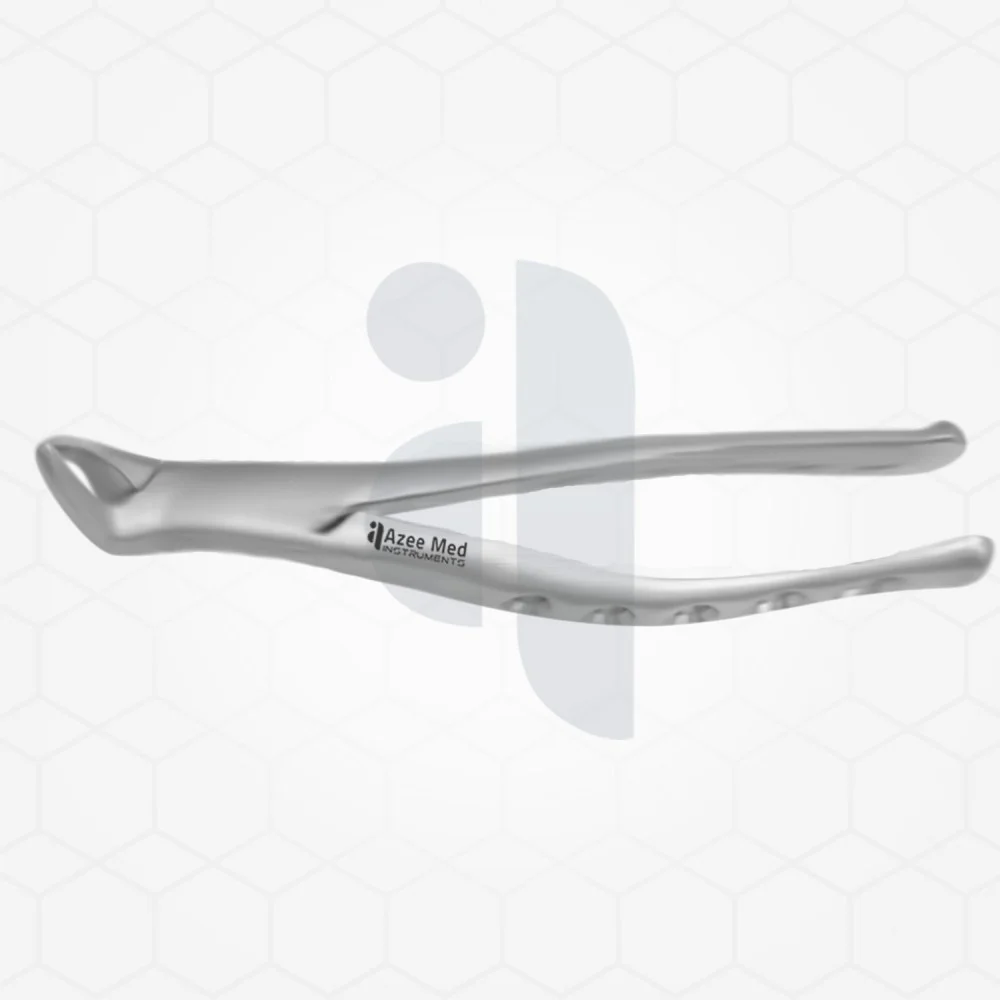
What an Elevator Does During Extraction
A dental elevator is a hand instrument with a slim, angled blade. It slides into the periodontal ligament space, the thin gap between the root and the surrounding bone. With gentle rotation and leverage, it stretches the ligament fibers and slightly widens the socket. The tooth loosens gradually, so your forceps have less work to do. In many cases, an elevator dental extraction technique lets you lift the tooth out with very little force.
Common Types You'll Reach For
Straight elevators are the everyday workhorse. They're great for loosening teeth and luxating roots in areas that are easy to reach. Cryer elevators have triangular, paired blades that help you lift broken roots out of a neighboring socket. Root tip picks and luxators handle the finer jobs, where space is tight and roots are fragile. Picking the right elevator dental extraction tool for each case keeps things predictable and saves you time.
Why Quality Really Matters
A blade that bends or a tip that's gone dull just makes everything harder. You push more, control less, and risk slipping into soft tissue. A well-made elevator dental extraction instrument has a thin, strong blade that holds its shape and a handle that sits comfortably in your palm. That balance means less hand fatigue and steadier movements, case after case.Material matters too.
Choosing and Caring for Your Elevators
When you're putting together an ophthalmic medical device set, think about the teeth you remove most often. Look at blade width, tip angle, and handle style. Narrow blades work well for tight interproximal spaces, while wider blades give you more purchase on larger roots. If you can, hold a few before you decide. Your hands will tell you a lot.Care is easy. Clean each elevator right after use, check the tip for chips or dull spots, and sterilize according to your facility's protocol.
AzeeMed: Over Two Decades of Trusted Craftsmanship
At AzeeMed, we focus on making surgical instruments of the highest quality for the medical community around the globe. With more than twenty years of experience, we supply instruments for plastic, dental, ophthalmic, neuro and spine, and orthopedic surgeries. Every elevator dental extraction instrument we make carries that same attention to detail, built for real clinics and the people who work in them.
Conclusion
Tooth extraction is careful, hands-on work, and you shouldn't have to fight your instruments to get it done well. The right elevator protects bone, reduces force, and makes your day a little easier. With AzeeMed elevator dental extraction instruments, you get dependable precision backed by over two decades of surgical expertise. Explore our dental range today and find the tools your team can count on.
 Dutch
 English
 Arabic
 French
 Spanish
 Portuguese
 Deutsch
 Turkish
 Italiano
 Russian
 Romaian
 Portuguese (Brazil)
 Greek