
Solid Tires Handle Tough Warehouse Conditions
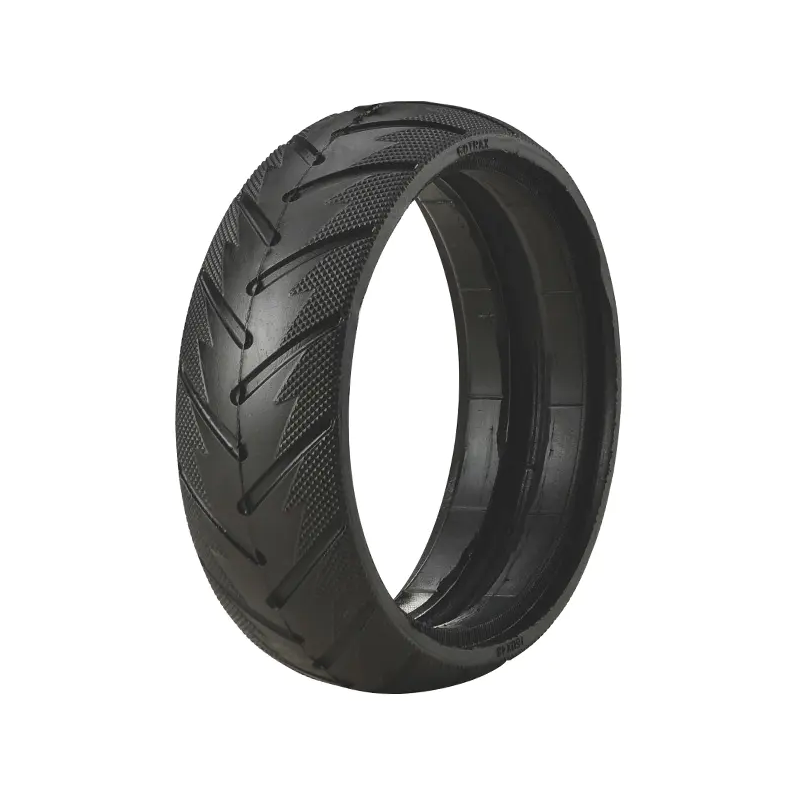
Forklifts move pallets across warehouse floors, industrial carts carry materials between workstations, and compact equipment navigates busy production areas. In these settings, tire performance affects how smoothly daily tasks proceed. Solid Tires offer a practical solution for equipment operating in environments where punctures, sharp debris, and frequent stops can interrupt material handling.
Unlike pneumatic tires, which contain compressed air, Solid Tires use a solid rubber structure or a combination of rubber and other materials. This design removes the risk of air loss caused by nails, metal scraps, or broken pieces scattered across industrial floors. For operations involving repeated loading and unloading, this feature can help reduce disruptions associated with tire punctures.
Solid Tires are commonly used on forklifts, warehouse trucks, industrial carts, and selected construction machines. Their suitability depends on the equipment design, load requirements, operating speed, and floor conditions. In a distribution center, for example, forklifts may travel short distances throughout the day while carrying pallets of different weights. A suitable tire needs to support these loads and provide stable contact with the floor.
Different solid tire designs serve different working needs. Standard solid rubber tires are often selected for indoor material handling. Press-on tires are fitted onto compatible wheel assemblies and are frequently used on warehouse forklifts. Some designs include a resilient inner layer to improve ride comfort, whereas harder compounds can provide resistance to wear in demanding applications. The appropriate construction depends on the balance between load capacity, traction, and operator comfort.
Tread design also influences how Solid Tires perform. Smooth treads may suit clean, level floors, while patterned surfaces can provide additional grip under certain operating conditions. Rubber compound selection affects hardness, rolling resistance, and the tire's response to repeated loads. Equipment specifications should guide the choice, since a tire intended for one machine may not fit another model or working environment.
Solid Tires bring a straightforward advantage to workplaces where sharp debris and frequent equipment movement are part of daily operations. Their airless construction suits many indoor industrial applications, and their range of designs allows businesses to choose products according to equipment requirements and working conditions.

 Portuguese (Brazil)
 English
 Arabic
 French
 Spanish
 Portuguese
 Deutsch
 Turkish
 Dutch
 Italiano
 Russian
 Romaian
 Greek