
Could Outpatient Rehab Change the Recovery Journey?
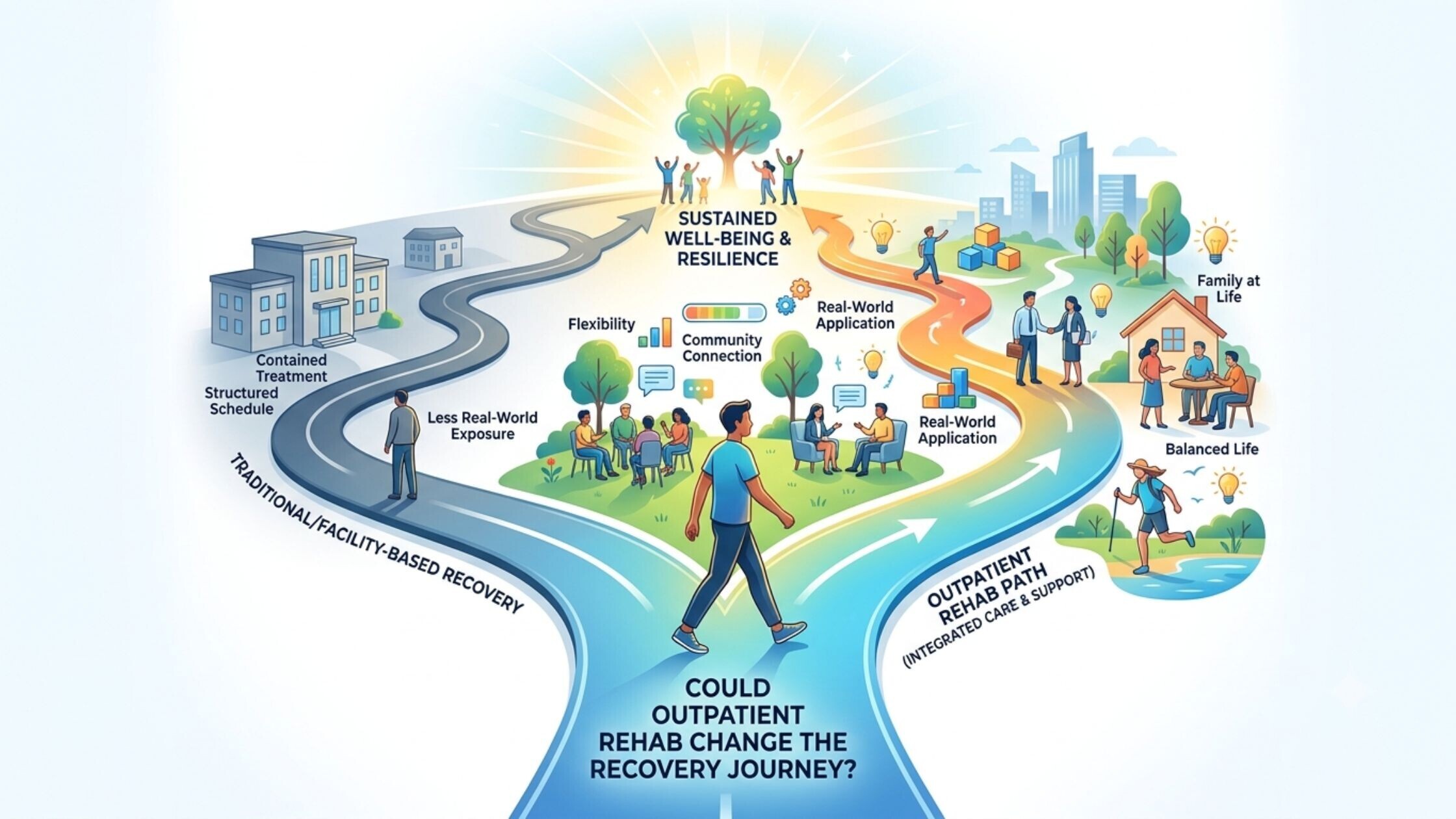
Recovery does not always require stepping away from work, family, or familiar surroundings. For some adults, outpatient treatment in Lincoln, NE can provide consistent clinical support while allowing daily life to continue. This model is especially relevant for people exploring outpatient rehab who need more structure than occasional counseling but do not require residential treatment.
The value of outpatient care lies in its balance. Participants attend scheduled treatment sessions and return home afterward. This creates opportunities to learn recovery skills, address substance use concerns, and practice healthier responses in the same environment where everyday challenges occur.
What Makes Outpatient Rehab Different From Residential Care?
The key difference is where treatment happens and how much supervision a person requires. Residential programs provide around-the-clock support in a treatment setting. Outpatient services allow participants to live at home while attending scheduled sessions.
This can make outpatient care a practical option for adults whose clinical needs can be addressed safely without residential supervision. Treatment intensity should still be based on professional assessment, not convenience alone.
The American Society of Addiction Medicine uses several dimensions when assessing the appropriate level of addiction care. These include withdrawal risks, physical health, mental health, readiness for change, relapse potential, and the recovery environment.
How Can Structured Treatment Support Everyday Recovery?
A consistent schedule can help create stability when routines have become difficult to maintain. Group sessions can provide education, discussion, and opportunities to practice skills. Individual therapy can address personal concerns that may require focused attention.
Substance use programs may also incorporate established approaches such as the Matrix Model. This model uses structured therapeutic and educational strategies to support recovery from stimulant and other substance use disorders.
Treatment can also consider related concerns such as trauma, anxiety, depression, grief, and emotional regulation. Addressing these areas can help clinicians develop a more complete picture of the challenges affecting recovery.
Why Does Practicing Skills Outside Treatment Matter?
Recovery skills become meaningful when they work beyond the treatment room. A person may learn how to recognize triggers during a session, then encounter those triggers at home, at work, or during a difficult conversation.
Outpatient care creates a direct connection between treatment and everyday experience. Participants can bring real situations back into therapy, examine what happened, and identify healthier responses for future situations.
This process can make treatment more connected to the realities of daily life.
Who Should Consider Outpatient Treatment?
Outpatient treatment in Lincoln, NE may be appropriate for adults who need regular professional support but can safely remain in their homes and communities. It can also serve as part of a continuing care plan when someone moves from a more intensive level of treatment.
However, outpatient care is not suitable for every situation. Medical needs, withdrawal risks, mental health symptoms, relapse concerns, and home environments can affect the appropriate level of care. A qualified professional should evaluate these factors before treatment begins.
What Should People Look For in an Outpatient Program?
People comparing outpatient rehab programs should consider more than location. They can ask about session frequency, group and individual services, treatment methods, clinician qualifications, individualized planning, payment options, and expected treatment duration.
Clear information helps people choose care based on their actual needs rather than selecting a program simply because it is nearby.
Where Can a More Connected Recovery Process Begin?
Recovery can require structure without requiring complete separation from everyday life. That balance can make outpatient care a meaningful option for adults who need regular support while remaining in their communities.
Into Balance offers an ASAM Level 2.1 intensive outpatient substance use program for adults, combining group treatment, individual sessions, and individualized treatment planning. For those considering outpatient treatment in Lincoln, NE or exploring outpatient rehab, Into Balance provides a structured local option for substance use and behavioral health support.
 English
 Arabic
 French
 Spanish
 Portuguese
 Deutsch
 Turkish
 Dutch
 Italiano
 Russian
 Romaian
 Portuguese (Brazil)
 Greek