
A New Focus on Surface Disinfection Strengthens Hygiene Across Saudi Arabia
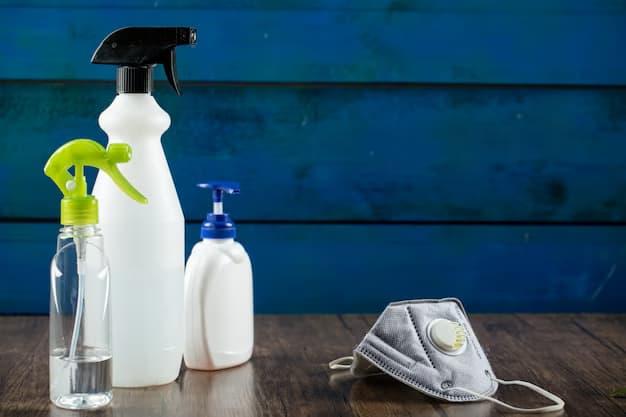
Surface disinfectants have become increasingly important across Saudi Arabia’s hospitals, clinics, hotels, schools, offices, gyms, restaurants, transport facilities, and households. These products are formulated to reduce harmful microorganisms on frequently touched surfaces such as door handles, medical equipment, counters, desks, railings, and exercise machines. Growing hygiene awareness and expanding institutional infrastructure are strengthening demand for dependable disinfection practices.
A recent study by MarkNtel Advisors highlights that the Saudi Arabia surface disinfectant industry was valued at USD 90.15 million in 2025. It is projected to grow from USD 98.43 million in 2026 to USD 140.21 million by 2032, registering a CAGR of 6.07% during 2026–2032. Expansion reflects healthcare development, commercial hygiene requirements, tourism activity, and increasing attention to infection prevention.
Healthcare Facilities Require Controlled Disinfection
Hospitals and clinics follow structured environmental hygiene procedures because microorganisms can remain on patient beds, medical equipment, treatment surfaces, and frequently handled objects. Surface disinfection supports infection-prevention programmes by reducing contamination after visible dirt and organic matter have been removed through cleaning.
The World Health Organization’s environmental cleaning guidance explains that effective programmes depend on trained personnel, clearly assigned responsibilities, appropriate products, monitoring, and established procedures. Healthcare facilities must therefore consider disinfectant concentration, contact time, surface compatibility, storage, and worker safety rather than relying only on frequent application.
Tourism and Pilgrimage Increase Hygiene Requirements
Saudi Arabia receives large numbers of religious visitors for Hajj and Umrah while also expanding leisure, business, entertainment, and cultural tourism. Airports, hotels, transport systems, restaurants, shopping areas, and pilgrimage accommodations consequently manage high levels of human movement and shared-surface contact.
Public guidance from the Saudi Ministry of Health recommends cleaning frequently touched surfaces and maintaining personal hygiene during Hajj. These practices support regular disinfectant use in accommodation, transport, food-service, and public areas where operational teams must maintain cleanliness without disrupting visitor movement.
Different Environments Need Specific Formulations
Surface disinfectants are available as liquids, sprays, wipes, concentrates, and foams. Alcohol-based products can provide rapid action on suitable surfaces, while chlorine compounds, quaternary ammonium compounds, and hydrogen peroxide formulations offer different balances of effectiveness, material compatibility, odour, and contact time.
A hospital treatment area may require a different product from a hotel room, restaurant kitchen, school desk, or fitness machine. Selecting the correct formulation requires consideration of the targeted microorganisms, surface material, ventilation, application frequency, and whether food or sensitive equipment may contact the treated area.
Commercial Facilities Adopt Regular Hygiene Programmes
Offices, shopping centres, schools, restaurants, gyms, and entertainment venues increasingly maintain defined cleaning and disinfection schedules. High-contact objects such as lift buttons, shared equipment, payment terminals, reception counters, and washroom fixtures may require more frequent attention than walls or low-contact surfaces.
Saudi health guidance for fitness facilities recommends using disinfecting wipes or sprays on shared equipment before and after use. Such recommendations demonstrate how surface hygiene extends beyond healthcare into everyday commercial and recreational environments.
Correct Application Determines Effectiveness
Disinfectants cannot perform reliably when used at an incorrect concentration or removed before completing the labelled contact time. Heavy dirt can also interfere with antimicrobial action, which is why surfaces commonly need to be cleaned before disinfection.
Users should follow label instructions, maintain ventilation, wear recommended protective equipment, and store products securely. Different disinfectants should never be mixed unless explicitly authorised by the manufacturer, as chemical combinations may release hazardous gases or damage surfaces.
Safer and More Efficient Products Gain Attention
Institutions are increasingly considering concentrated products, controlled-dosing systems, reduced-odour formulations, lower-toxicity ingredients, and packaging that limits unnecessary waste. Pre-measured formats can improve dilution accuracy, while wipes offer convenient application in smaller or frequently used areas.
The expanding role of surface disinfectants in Saudi Arabia reflects broader changes in healthcare capacity, tourism, public-space management, and institutional hygiene. Continued development will depend on products that combine dependable antimicrobial performance, responsible chemical use, clear instructions, surface compatibility, and efficient application across diverse environments.
 Portuguese (Brazil)
 English
 Arabic
 French
 Spanish
 Portuguese
 Deutsch
 Turkish
 Dutch
 Italiano
 Russian
 Romaian
 Greek