
Understanding Lab Grown Diamonds: A Basic Guide for Smart Diamond Buyers
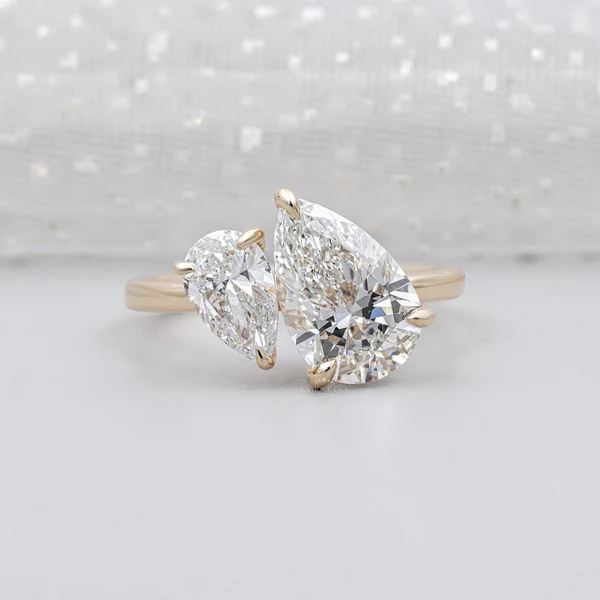
Understanding Lab Grown Diamonds: A Basic Guide explains how lab grown diamonds are made, their benefits, pricing, quality, and why many buyers choose lab grown diamond engagement rings under $3000 today.
Understanding Lab Grown Diamonds: A Basic Guide
Diamonds have always been associated with beauty, commitment, and luxury. However, modern technology has introduced a new option that is transforming the jewelry industry. Lab grown diamonds are becoming increasingly popular among buyers who want exceptional quality, value, and transparency. If you are exploring diamond options for an engagement ring, anniversary gift, or personal jewelry collection, understanding lab grown diamonds can help you make a confident decision.
Many first-time buyers are curious about what lab grown diamonds actually are, how they differ from mined diamonds, and whether they offer the same brilliance. This guide covers everything you need to know, from their creation process to their benefits and buying considerations.
If you want to know more in detail about Understanding Lab Grown Diamonds: A Basic Guide, this article will provide all the essential information you need before making a purchase.
What Are Lab Grown Diamonds?
Lab grown diamonds are genuine diamonds created inside advanced laboratories using highly controlled processes. Unlike mined diamonds that form naturally beneath the Earth's surface over billions of years, lab grown diamonds are produced in a matter of weeks using modern technology.
The key point many buyers overlook is that lab grown diamonds possess the same physical, chemical, and optical properties as natural diamonds. They are made of pure carbon and display the same sparkle, fire, and durability associated with traditional diamonds. Even professional jewelers require specialized equipment to distinguish between a mined diamond and a lab grown diamond.
How Lab Grown Diamonds Are Created
There are two primary methods used to create lab grown diamonds.
High Pressure High Temperature (HPHT)
The HPHT process replicates the intense heat and pressure conditions found deep within the Earth. Carbon is subjected to extreme temperatures and pressure, allowing a diamond crystal to develop over time.
Chemical Vapor Deposition (CVD)
The CVD method involves placing a small diamond seed inside a chamber filled with carbon-rich gases. The carbon atoms gradually bond to the seed and form a larger diamond crystal layer by layer.
Both techniques produce authentic diamonds with the same crystal structure found in mined stones. The difference lies only in where the diamond originated.
Why Lab Grown Diamonds Are Gaining Popularity
Consumer preferences have evolved significantly over the last few years. Buyers are now focusing on value, design flexibility, and informed purchasing decisions.
Lab grown diamonds offer several advantages that appeal to modern shoppers.
Better Value for Money
One of the biggest reasons people choose lab grown diamonds is affordability. Buyers can often purchase a larger and higher-quality stone for the same budget compared to a mined diamond.
For example, shoppers looking for engagement rings under $3000 can often find larger center stones with excellent cut and clarity when choosing lab grown diamonds. This makes luxury jewelry more accessible without sacrificing beauty.
Larger Diamond Options
Because production costs are generally lower, buyers can select bigger carat sizes while staying within budget. This is particularly appealing for couples searching for diamond engagement rings under 3000 that still offer impressive visual impact.
Consistent Quality
Many lab grown diamonds exhibit excellent clarity and color grades. Modern manufacturing techniques allow producers to create diamonds with remarkable consistency and visual appeal.
Are Lab Grown Diamonds Real Diamonds?
This is one of the most common questions among first-time buyers.
The answer is simple: yes, lab grown diamonds are real diamonds.
They share the same carbon composition, hardness rating, brilliance, and light performance as mined diamonds. They are not imitations, simulants, or substitutes. Products such as cubic zirconia and moissanite may resemble diamonds, but they are entirely different materials.
Lab grown diamonds are genuine diamonds recognized and graded by major gemological organizations.
Understanding Diamond Certification
When purchasing a lab grown diamond, certification is extremely important.
Respected grading laboratories such as IGI and GIA evaluate diamonds using standardized criteria. A grading report provides detailed information about the diamond's characteristics, including:
- Cut
- Color
- Clarity
- Carat weight
These factors are commonly referred to as the Four Cs.
Always review certification details before purchasing a diamond. Certification provides confidence in the quality and authenticity of the stone.
The Importance of the Four Cs
Cut
Cut is often considered the most important factor affecting a diamond's appearance. A well-cut diamond reflects light effectively and produces exceptional sparkle.
Color
Color grades measure how colorless a diamond appears. Higher grades generally indicate a whiter appearance.
Clarity
Clarity evaluates the presence of internal inclusions and surface imperfections.
Carat Weight
Carat weight refers to the size of the diamond. Larger diamonds are typically more valuable, but cut quality should never be overlooked in favor of size alone.
Many experts recommend prioritizing cut quality first because it has the greatest impact on visual beauty.
Lab Grown Diamonds vs Natural Diamonds
Understanding the differences between these two categories can help buyers make an informed choice.
Origin
Natural diamonds form beneath the Earth over billions of years.
Lab grown diamonds are created in controlled laboratory environments within a few weeks.
Appearance
To the naked eye, there is virtually no visible difference between the two.
Composition
Both are composed of pure carbon arranged in the same crystal structure.
Price
Lab grown diamonds are generally more affordable than comparable natural diamonds.
Availability
Lab grown diamonds often provide access to larger stones and premium quality grades at a more attainable price point.
Choosing the Right Lab Grown Diamond Ring
Shopping for a diamond ring requires careful consideration of style, budget, and quality.
Many buyers today are searching for lab grown diamond rings under $3000 because they provide outstanding value while maintaining the luxurious appearance expected from fine jewelry.
When selecting a ring, focus on:
- Diamond certification
- Excellent or Very Good cut grades
- Reliable retailer reputation
- Preferred diamond shape
- Ring setting quality
Buyers often discover that lab grown diamond engagement rings under $3000 can include larger center stones and premium craftsmanship that might otherwise exceed their budget with mined diamonds.
Popular Diamond Shapes
Lab grown diamonds are available in nearly every popular shape.
Some of the most sought-after options include:
- Round Brilliant
- Oval
- Cushion
- Emerald
- Pear
- Radiant
- Princess
Each shape offers a unique personality and visual effect. Vintage-inspired collections from brands such as Antiquecut have also attracted attention among buyers seeking distinctive ring designs with timeless character.
Common Misconceptions About Lab Grown Diamonds
Myth 1: They Are Fake Diamonds
This is incorrect. Lab grown diamonds are genuine diamonds with the same composition as mined stones.
Myth 2: They Lack Durability
Lab grown diamonds rank 10 on the Mohs hardness scale, making them just as durable as natural diamonds.
Myth 3: They Do Not Sparkle
Sparkle depends primarily on cut quality, not origin. A well-cut lab grown diamond can display outstanding brilliance.
Myth 4: All Lab Diamonds Are the Same
Just like mined diamonds, quality can vary. Buyers should carefully evaluate certification and grading reports before purchasing.
Who Should Buy Lab Grown Diamonds?
Lab grown diamonds are an excellent choice for buyers who prioritize:
- Exceptional value
- Larger diamond sizes
- Modern purchasing options
- Certified quality
- Contemporary jewelry trends
Whether you are shopping for best value engagement rings under $3000 or searching for a statement piece that maximizes your budget, lab grown diamonds offer numerous advantages worth considering.
Final Thoughts
The diamond industry continues to evolve, and lab grown diamonds have become an important part of that transformation. They provide the same beauty, durability, and brilliance associated with traditional diamonds while offering attractive pricing and wider accessibility.
For today's buyers, understanding the facts behind lab grown diamonds is essential. From certification and quality grading to pricing and design options, informed decisions lead to more satisfying purchases.
Whether you are exploring engagement rings under $3000, searching for diamond engagement rings under 3000, or comparing the best value engagement rings under $3000 available today, lab grown diamonds present a compelling option that combines beauty, quality, and value.
If you are still researching your options, take time to know more in detail about Understanding Lab Grown Diamonds: A Basic Guide before selecting the perfect diamond for your special occasion.

 English
 Arabic
 French
 Spanish
 Portuguese
 Deutsch
 Turkish
 Dutch
Dutch
 Italiano
 Russian
 Portuguese (Brazil)
 Greek
Greek