
Cabin Crew Training After 12th: Your First Step Towards an Exciting Aviation Career
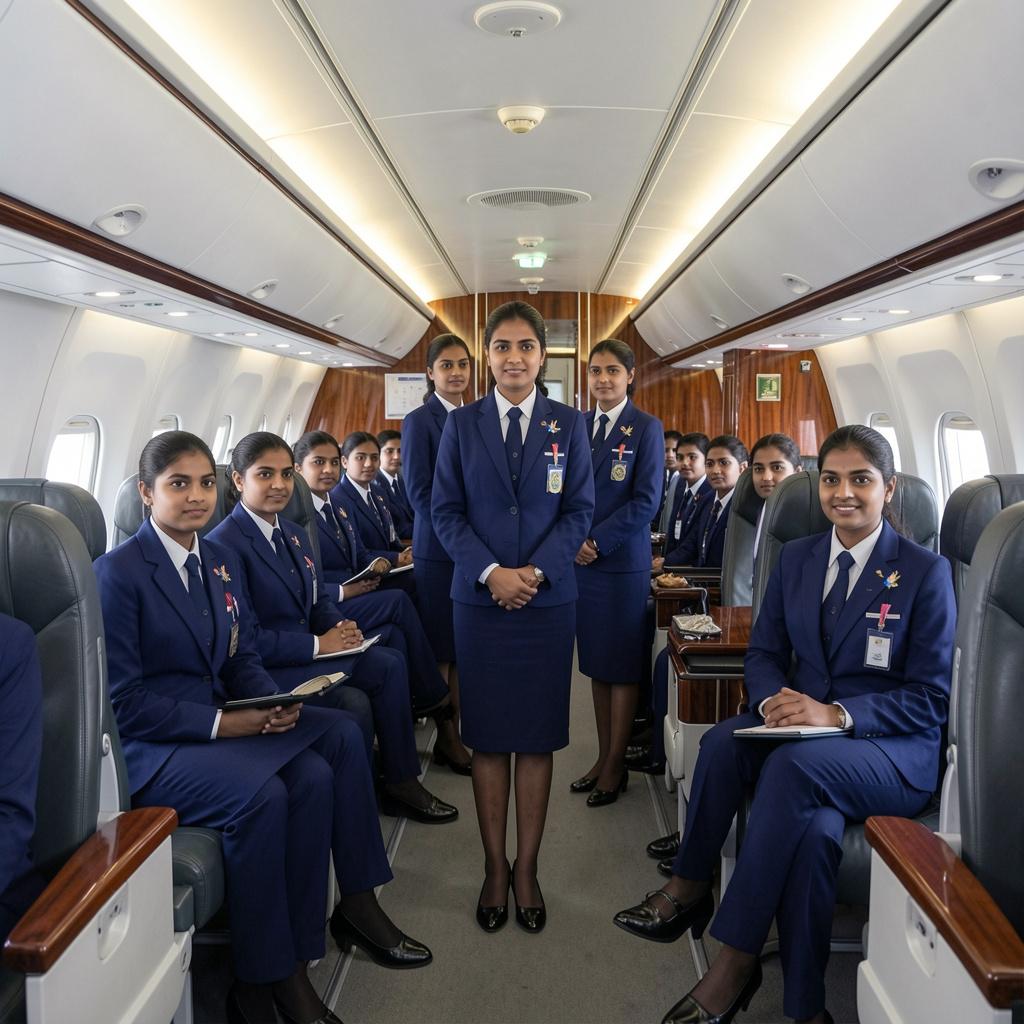
The aviation industry has always attracted young people who dream of travelling, meeting people from different cultures, and building an exciting professional career. For many students, becoming a cabin crew member is more than just getting a job with an airline. It is an opportunity to explore the world, develop valuable skills, and experience a dynamic working environment. The good news is that students can start preparing for this career immediately after completing their school education.
Choosing Cabin Crew Training After 12th is an excellent way for students to understand the aviation industry and develop the professional qualities expected by airlines. With the right training, dedication, and confidence, aspiring candidates can prepare themselves for airline recruitment opportunities and begin working towards their aviation goals.
However, becoming a cabin crew professional requires more than an interest in travelling. It involves communication, customer service, safety awareness, teamwork, grooming, and the ability to remain calm in different situations. Professional training helps students understand these responsibilities before entering the industry.
Why Choose a Cabin Crew Career After 12th?
Completing Class 12 is an important milestone, and students often face the challenge of deciding what to do next. While traditional graduation programmes are suitable for many career paths, some students prefer practical, career-oriented education that helps them develop professional skills.
The cabin crew profession offers an interesting opportunity for students who enjoy interacting with people and working in a fast-moving environment.
One of the biggest attractions of this profession is the opportunity to experience different destinations. Cabin crew members may travel between cities and countries depending on their airline's flight network. They also interact with passengers from different backgrounds, which helps them develop cultural awareness and communication skills.
Another advantage is professional growth. With experience, cabin crew members may progress towards senior cabin crew positions, supervisory responsibilities, training roles, and other opportunities within the aviation and hospitality sectors.
For students who are passionate about aviation, starting their preparation after Class 12 can be a practical first step.
What Is Cabin Crew Training?
Cabin crew training is a professional learning programme designed to prepare candidates for responsibilities associated with working inside an aircraft. It introduces students to aviation fundamentals, passenger handling, customer service, professional grooming, communication, teamwork, and safety-related knowledge.
A cabin crew member is responsible for much more than welcoming passengers and serving refreshments. Cabin crew professionals contribute to passenger comfort, follow airline procedures, communicate important information, and assist during unexpected situations.
Training helps students understand the professional expectations of the aviation industry. It also provides opportunities to improve their personality, develop confidence, and prepare for airline interviews.
Students who have no previous aviation experience can also consider these programmes because beginner-friendly courses introduce important concepts from the foundation level.
Eligibility for Cabin Crew Training After 12th
One of the most common questions among students is whether they can join cabin crew training immediately after completing their 12th standard.
Yes, students from different educational streams can explore this career path. Science, Commerce, and Arts students can all consider cabin crew training, subject to the eligibility requirements of the training institute and individual airlines.
Some general eligibility factors include:
Educational Qualification: Candidates should generally have completed their Class 12 education from a recognised board.
Age Requirements: Age requirements vary between airlines and training institutions. Students should check the applicable criteria before applying.
Communication Skills: Basic to good English communication is important because cabin crew members regularly interact with passengers and colleagues.
Personality and Presentation: Confidence, professional grooming, positive body language, and a helpful attitude are valuable qualities.
Physical and Medical Fitness: Candidates must satisfy the medical and physical requirements specified by the recruiting airline.
Customer Service Attitude: Patience, empathy, and the ability to handle different types of passengers are important in this profession.
It is important to remember that airline eligibility requirements can differ depending on the organisation, position, and recruitment campaign.
What Do Students Learn During Cabin Crew Training?
A structured training programme helps students develop the knowledge and practical abilities required for aviation-related careers. It focuses on both personal development and industry-specific learning.
Here are some important areas covered in professional cabin crew training.
1. English Communication Skills
Communication is one of the most important skills for cabin crew professionals. They must communicate clearly with passengers, understand instructions, and coordinate effectively with other team members.
Training helps students improve their spoken English, vocabulary, pronunciation, listening skills, and confidence during conversations.
Students also learn how to communicate politely and professionally in different situations.
2. Personality Development
Personality development plays an important role in preparing students for the aviation industry.
Candidates learn how to improve their confidence, body language, interpersonal communication, and professional behaviour. They also develop the ability to interact comfortably with people from different backgrounds.
These skills are useful not only during airline interviews but throughout their professional careers.
3. Grooming and Professional Presentation
Airlines maintain professional grooming standards because cabin crew members represent the organisation while interacting with passengers.
Grooming sessions introduce students to professional dressing, personal hygiene, posture, etiquette, and presentation.
The objective is not simply to improve appearance. It is to develop a disciplined and professional attitude suitable for the aviation workplace.
4. Hospitality and Customer Service
Passenger satisfaction is an important part of the airline experience.
Cabin crew members must understand how to assist passengers, respond to questions, provide information, and handle complaints professionally.
Hospitality training helps students develop patience, empathy, problem-solving abilities, and a customer-focused approach.
5. Aviation Fundamentals
Understanding how the aviation industry operates gives students a strong foundation for their future careers.
Training introduces students to airline operations, airport environments, cabin crew responsibilities, and the general structure of aviation services.
This knowledge helps candidates understand where their professional role fits within the wider airline industry.
6. First Aid and Safety Awareness
Passenger safety is one of the most important responsibilities of cabin crew professionals.
Training introduces students to first-aid concepts, emergency awareness, safety equipment, and the importance of following established procedures.
Formal airline safety and emergency training must also be completed according to the relevant airline and aviation requirements. An academy certificate does not replace airline-specific operational training.
7. Interview Preparation
Airline interviews can be challenging, especially for candidates attending their first professional selection process.
Training institutes may conduct mock interviews, group discussions, communication exercises, and personality assessments to help students prepare.
This practice helps candidates understand how to introduce themselves, answer questions confidently, and present their strengths effectively.
Why Is Professional Training Important After 12th?
Some students believe that completing Class 12 and having good communication skills are enough to apply for cabin crew positions. While educational qualifications and communication abilities are important, professional preparation can make the recruitment process easier to understand.
Training provides structured guidance and helps students identify areas where they need improvement.
For example, a student may be comfortable speaking with friends but feel nervous during formal interviews. Another candidate may have good English communication but need guidance with professional grooming and body language.
A training programme addresses these areas through regular practice and feedback.
It also introduces students to the expectations of aviation and hospitality employers. This preparation can help candidates approach recruitment opportunities with greater confidence.
Career Opportunities After Cabin Crew Training
Completing a cabin crew training programme can help students prepare for different opportunities across aviation, hospitality, and customer service.
Depending on their qualifications, skills, and employer requirements, candidates may explore opportunities such as:
Domestic Airline Cabin Crew: Candidates can apply for suitable cabin crew openings with domestic airlines.
International Airline Cabin Crew: Students who meet the relevant language, experience, medical, and other eligibility requirements may explore international airline opportunities.
Corporate Aviation: Private aviation and corporate flight services offer another potential career direction for suitably qualified candidates.
Airport Customer Service: Students interested in passenger interaction may consider airport hospitality and customer service positions.
Aviation Hospitality: Hotels, travel companies, and other hospitality organisations also value communication and customer-handling skills.
With professional experience, individuals may explore supervisory, management, and training responsibilities.
It is important to understand that completing a training course does not guarantee employment. Final selection depends on airline recruitment requirements, interview performance, eligibility, and available vacancies.
How to Choose the Right Cabin Crew Training Institute
Selecting the right training institute is an important decision for students planning their aviation careers.
Instead of choosing a course based only on advertisements or promises, candidates should carefully understand the training structure and support offered.
Consider the following factors before enrolling.
Course Curriculum: Check whether the programme covers communication, grooming, customer service, aviation fundamentals, safety awareness, and interview preparation.
Experienced Trainers: Guidance from knowledgeable trainers can help students understand professional expectations and industry practices.
Practical Learning: Look for programmes that include interactive sessions, mock interviews, presentations, and practical activities.
Personality Development: The institute should focus on developing confidence, communication, and professional behaviour.
Career Guidance: Students should understand whether the institute provides recruitment guidance, interview preparation, and placement assistance.
Transparent Information: Always check course duration, fees, eligibility, certification details, and what is included in the programme.
Making an informed decision can help students select training that matches their career interests and learning requirements.
Start Your Aviation Journey with AirStar International Academy
For students exploring professional aviation education, AirStar International Academy offers a certified cabin crew training programme designed to develop essential skills for the aviation and hospitality industries.
The programme is suitable for students who have completed their 12th standard and want to build a foundation for a career in aviation.
According to the academy's course information, the programme has a duration of nine months, with an eligibility age range of 17 to 26 years and a minimum educational qualification of Class 12 pass.
The training curriculum covers several important areas, including English communication, personality development, professional grooming, hospitality management, airport management, customer service, cabin crew fundamentals, first aid, swimming, and interview preparation.
Students also receive guidance through mock interviews and career preparation activities.
AirStar International Academy focuses on developing the communication abilities, confidence, professional presentation, and customer service skills required in aviation-related roles.
The academy also offers placement assistance and career guidance to help students understand recruitment processes and prepare for suitable opportunities. Actual employment depends on meeting the requirements of the recruiting organisation.
Tips to Prepare for a Cabin Crew Career While Studying
Students do not need to wait until their training programme begins to start developing useful professional skills.
A few simple habits can help build a strong foundation.
First, practise speaking English every day. Reading newspapers, listening to English conversations, watching educational videos, and speaking with friends can gradually improve fluency.
Second, work on confidence. Participate in classroom presentations, group discussions, and public-speaking activities whenever possible.
Third, develop a customer-friendly attitude. Learn to listen patiently, understand different perspectives, and respond politely when dealing with people.
Fourth, maintain professional discipline. Time management, punctuality, personal hygiene, and a positive attitude are valuable qualities in aviation.
Finally, stay informed about the airline industry. Understanding airline services, airport operations, and recruitment expectations can help students prepare for future interviews.
Small improvements made consistently can create a meaningful difference over time.
Is Cabin Crew Training a Good Choice for Students After 12th?
For students who enjoy travelling, interacting with people, and working in a professional service environment, cabin crew training can be a worthwhile career preparation option.
However, it is important to understand the realities of the profession. Cabin crew members often work irregular schedules, spend time away from home, manage demanding passenger situations, and remain attentive throughout their duties.
The profession requires discipline, adaptability, patience, and a strong sense of responsibility.
Students should choose this career because they genuinely enjoy aviation and customer service rather than focusing only on travel opportunities or the glamour associated with airlines.
With realistic expectations and proper preparation, students can work towards building a rewarding career in this industry.
Final Thoughts
Choosing Cabin Crew Training After 12th can be the beginning of an exciting professional journey for students who dream of working in aviation. It offers an opportunity to develop communication skills, improve personality, understand airline operations, and prepare for recruitment opportunities.
The right training programme can help students become more confident and professionally prepared. However, success also depends on personal dedication, continuous learning, meeting airline eligibility requirements, and performing well during selection.
For aspiring cabin crew professionals, starting early and receiving structured guidance can make the journey more organised and rewarding.

 Deutsch
 English
 Arabic
 French
 Spanish
 Portuguese
 Turkish
 Dutch
 Italiano
 Russian
 Romaian
 Portuguese (Brazil)
 Greek