
How a Paper Tube Helps Brands Meet Sustainability Goals Without Compromise
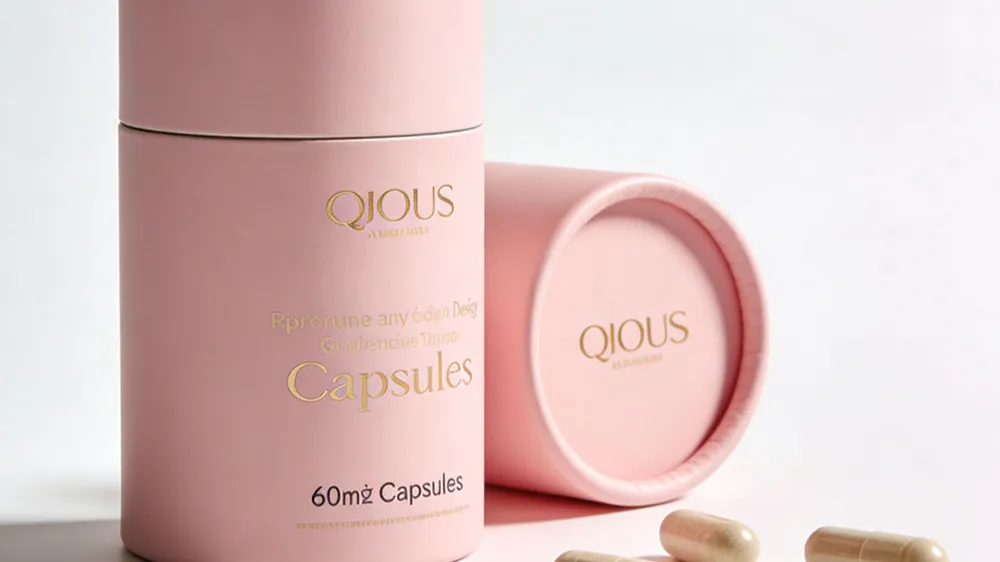
Sustainability used to mean compromise. Brands were told to pick between a greener pack and a premium look, and many chose looks. That trade no longer holds. A well designed paper tube can protect products, carry rich branding, and still support plastic reduction, which is why more buyers are asking about it.
Pack Packaging describes packaging as a carrier of ecological responsibility. The Shenzhen company has operated since 2009 and works from a 90,000 square meter facility. Its mission pairs scalable production with environmental care, and it aims to help global brands balance commercial growth with environmental stewardship through certified, high performance solutions.
What Makes a Paper Tube Truly Eco Friendly
Material choice comes first. The factory uses FSC certified materials, which trace paper back to responsibly managed sources. It also works with sugarcane bagasse, a fiber made from sugarcane waste, and lead free soy inks. Together these choices lower the environmental impact of printing and structure while keeping the surface rich and vibrant.
-
FSC certified paper materials
-
Sugarcane bagasse as a plant fiber option
-
Lead free soy inks
-
Fully biodegradable packaging options
-
Plastic reduction as a design goal
Regulation is part of the picture. The company delivers biodegradable packaging that meets rules such as EUDR and EPR. Those frameworks affect how packaging is sourced and how producers handle responsibility for it. Therefore, a brand selling into regulated markets gains a head start by working with a supplier that already designs around them.
Can a Luxury Tube Still Feel Premium and Green?
Yes, and the key is finishing with intent. A luxury tube does not need heavy coatings to look rich. Clean printing, a thoughtful lid, and one accent can deliver quality while keeping materials simple. Besides, customers often read restraint as confidence, so a simpler design may actually strengthen your brand.
Strength also supports sustainability. A luxury tube that survives shipping prevents waste from damaged goods. Seamless rigid walls and well fitted lids reduce breakage, while custom inserts hold products firmly. In short, durable structure is an environmental benefit, because every replaced product carries its own footprint.
Food and wellness brands face extra scrutiny. Certified food grade materials, BRC and IFS certification, and clean production make it easier to answer buyer questions. Nutraceutical customers, including those selling probiotics and CBD, also need packaging that supports safety and regulatory compliance. Green claims matter most when safety is already beyond doubt.
Reducing Plastic With a Luxury Tube Design
Plastic reduction is a stated priority at the factory. A luxury tube can use an internal plastic spiral for twist up cosmetic formats, yet the outer structure stays paper. Brands that want to go further can discuss alternatives early with the engineering team. Because design is free, exploring options costs time rather than money.
Certification adds proof. The company was among the first in its industry to achieve IFS certification, and BRC and IFS standards cover safety and quality. Clean workshops with UV sterilization protect contents too. Responsible packaging should never put the consumer at risk, so these credentials sit alongside the green claims rather than competing with them.
A Five Step Paper Tube Sustainability Checklist
-
Ask which paper materials carry FSC certification.
-
Confirm that inks are lead free and soy based.
-
Review biodegradable options that suit your product.
-
Check how the pack meets EUDR and EPR rules in your market.
-
Request a sample and test durability before approving production.
Use that list during your first call. A transparent supplier answers quickly and without vague promises. Fast response times help, because the sales team replies within twelve hours. Furthermore, free structural design means you can compare several approaches before settling on the one that fits both your values and your budget.
Cost deserves honesty. Eco materials can change pricing depending on structure and finish, so ask for a quote rather than assuming. Direct factory pricing and flexible minimums keep the process transparent, and white samples at lower cost give you a safe way to test. Careful planning helps you protect both budget and planet.
Brand storytelling benefits as well. Customers enjoy knowing why a pack looks the way it does. A short line about FSC certified paper or soy inks, printed discreetly, turns a material choice into a talking point. Over time, that transparency builds trust, which is worth more than any single campaign.
Scale and responsibility can coexist. With 20 automated lines and monthly capacity of five million units, the factory can support growth while following the same material standards. Brands do not have to switch suppliers when they outgrow a small run. That consistency keeps both the environmental promise and the visual look stable.
Closing Thoughts on the Responsible Paper Tube
Sustainable packaging is no longer a niche demand. Buyers, retailers, and regulators all expect progress, and a thoughtful paper tube can show it. Choose certified materials, ask direct questions, and test real samples. When quality and responsibility work together, your packaging becomes part of the reason customers choose and return to your brand.
 Italiano
 English
 Arabic
 French
 Spanish
 Portuguese
 Deutsch
 Turkish
 Dutch
 Russian
 Romaian
 Portuguese (Brazil)
 Greek