
Washer Extractors Explained: Working Process, Benefits and Commercial Applications in India
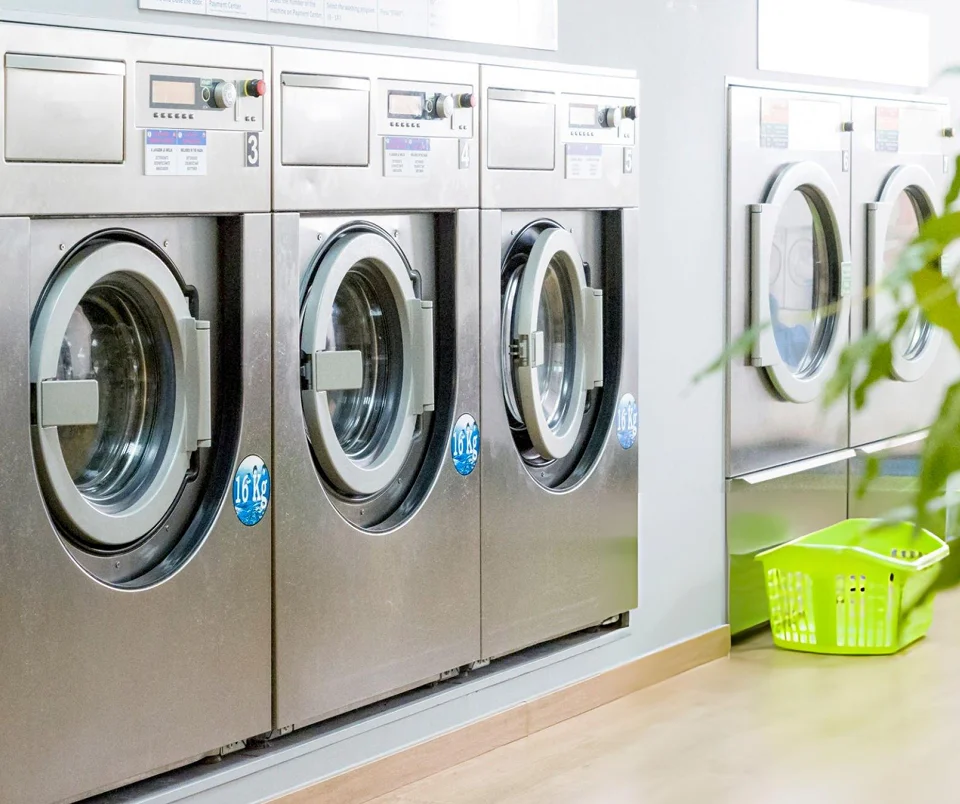
Commercial laundry operations require equipment that can handle continuous washing, effective moisture removal and consistent fabric care. Hotels, hospitals, educational institutions and industrial facilities need reliable washing systems to process large volumes of laundry while maintaining hygiene and operational efficiency. A commercial laundry machine plays an important role in meeting these requirements, particularly when businesses need to manage different fabric types and washing loads. Among the essential equipment used in professional laundry facilities, washer extractors are widely recognised for combining washing and high-speed water extraction in a single unit.
Understanding how a commercial laundry machine works helps purchase managers, facility operators and laundry consultants make informed equipment decisions. A washer extractor is designed to wash fabrics using controlled water levels, detergent, temperature and mechanical action before removing excess moisture through a high-speed spinning process. This combination can simplify laundry workflows and prepare textiles for subsequent drying or finishing operations. For Indian businesses planning a new laundry facility or upgrading existing equipment, understanding its working mechanism, applications and selection criteria is essential for building an efficient laundry operation.
What Is a Washer Extractor?
A washer extractor is an industrial or commercial washing machine that performs two primary operations: washing and water extraction. It cleans laundry using water, detergent and mechanical movement, then spins the load at an appropriate speed to remove excess moisture.
Unlike conventional domestic washing machines, commercial washer extractors are designed for professional laundry environments where equipment may operate repeatedly throughout the day. Their construction, controls and available capacities are intended to support the operational requirements of hotels, hospitals, commercial laundries and other institutions.
The term extractor refers to the machine's ability to remove water from washed fabrics through centrifugal force. During the extraction cycle, the drum rotates rapidly, pushing water through the perforations in the drum while the textiles remain inside.
A typical washer extractor consists of:
-
Drum: Holds laundry and rotates during washing and extraction.
-
Outer cylinder: Contains water surrounding the rotating drum.
-
Drive system: Controls drum movement and rotation speed.
-
Water inlet system: Supplies water at the required stages.
-
Detergent dispensing system: Introduces cleaning chemicals into the wash cycle.
-
Control panel: Manages programmes, temperatures, water levels and extraction speeds.
-
Drainage system: Removes used water from the machine.
-
Suspension system: Helps manage vibration during operation, particularly in high-speed models.
These components work together to provide a controlled washing and extraction process.
How Does a Washer Extractor Work in Commercial Laundry?
Understanding the working process is important when selecting equipment for a professional laundry facility. A washer extractor follows a programmed sequence that cleans textiles and removes excess water before they move to the drying stage.
1. Loading the Laundry
The process begins by placing sorted laundry into the machine's drum. Items should be separated according to fabric type, colour, soil level and washing requirements.
For example, a hotel may process bedsheets, towels, pillowcases and staff uniforms separately. Similarly, hospitals need appropriate segregation of different categories of linen according to their established infection-control procedures.
Correct loading is important. Overloading can restrict fabric movement, reduce washing effectiveness and place unnecessary stress on machine components. Underloading may also result in inefficient use of water, energy and chemicals.
2. Water Filling and Detergent Dispensing
After loading, the machine begins its programmed cycle by allowing water into the drum. The water level depends on the selected programme, fabric type and load requirements.
Detergents and other approved laundry chemicals are introduced at the appropriate stages. Some systems use automatic chemical dosing to maintain more consistent chemical delivery.
The correct combination of detergent concentration, water temperature and washing time supports effective soil removal without unnecessary fabric damage.
3. Washing and Mechanical Action
Once the required water and chemicals are added, the drum starts rotating at controlled speeds. This movement lifts and turns the textiles, allowing them to interact with the detergent solution.
The mechanical action helps loosen dirt, oils and other contaminants from fabric surfaces. The selected washing programme determines the rotation pattern, temperature and duration.
Different textiles require different treatment. For instance, towels may need a different washing programme from delicate hotel linen or healthcare textiles.
4. Rinsing the Laundry
After the main washing stage, the used water is drained and the machine performs one or more rinsing stages.
Fresh water helps remove detergent residues and suspended contaminants from the textiles. The number of rinses depends on the programme, fabric requirements and chemical process.
Proper rinsing is particularly important in professional laundry operations because detergent residues can affect fabric feel, finishing quality and subsequent processing.
5. High-Speed Water Extraction
Extraction is the defining feature of a washer extractor. During this stage, the drum rotates at a higher speed to separate excess water from the laundry through centrifugal force.
Water passes through the perforated drum and is discharged through the drainage system. The textiles remain inside the drum but retain less moisture than they would after a conventional low-speed spin.
The effectiveness of extraction depends on several factors, including:
-
Extraction speed and programmed duration.
-
Fabric composition and construction.
-
Load distribution inside the drum.
-
Machine design and suspension.
-
Selected washing programme.
Effective extraction reduces the amount of moisture that needs to be removed during subsequent drying. This can help improve the overall workflow of a commercial laundry facility.
6. Unloading and Subsequent Processing
Once extraction is complete, the machine stops and the laundry can be unloaded.
Depending on the textile and facility requirements, the next stage may involve tumble drying, flatwork ironing, garment finishing or other specialised processes.
For example, hotel bedsheets may proceed to a flatwork ironer, while towels generally move to tumble dryers. Healthcare linen may require additional handling and processing according to the facility's established procedures.
Why Are Washer Extractors Important for Commercial Laundry Operations?
Commercial laundry facilities process substantial quantities of textiles while working within operational schedules. Washer extractors help organise these processes by combining washing and extraction within one machine.
Some important operational advantages include:
1. Combined Washing and Extraction
The machine completes two essential laundry operations within a single unit. This can simplify equipment planning and reduce the need to transfer wet laundry between separate washing and extraction machines.
2. Reduced Moisture Before Drying
High-speed extraction removes a considerable portion of the water retained in washed textiles. This reduces the moisture load entering the drying stage and can support more efficient downstream processing.
Actual energy consumption and drying requirements depend on fabric type, machine specifications, dryer performance and operating conditions.
3. Programmable Washing Operations
Modern commercial equipment may offer programmable controls for different textile categories. Operators can select appropriate washing temperatures, chemical dosing, water levels and extraction speeds.
This helps facilities establish repeatable washing processes rather than relying entirely on manual adjustments.
4. Support for Different Laundry Requirements
Hotels, hospitals, colleges and industrial facilities process different types of fabrics. Washer extractors with suitable programmes can accommodate a range of laundry requirements when correctly specified.
5. Better Workflow Organisation
When washing and extraction are completed in one machine, laundry staff can plan the movement of textiles towards dryers and finishing equipment more systematically.
A properly designed laundry layout also helps minimise unnecessary handling and movement between processing stages.
Applications of Washer Extractors Across Indian Industries
India has a diverse commercial and institutional laundry sector. Different industries require washing equipment based on their daily linen volumes, textile categories and hygiene requirements.
Hotels and Hospitality Businesses
Hotels regularly process bedsheets, towels, pillow covers, table linen, bathrobes and staff uniforms.
A suitable washer extractor helps hospitality operators manage these different textile categories through programmed washing and extraction cycles. Equipment selection should consider occupancy patterns, daily linen consumption and peak-season requirements.
Hospitals and Healthcare Facilities
Hospitals handle patient gowns, bedsheets, staff uniforms, towels and other healthcare textiles.
Their laundry operations require carefully controlled processes, appropriate textile segregation and suitable washing programmes. Washer extractors can form part of a healthcare laundry system, but equipment alone does not guarantee disinfection or infection control. The complete process must follow applicable healthcare procedures and validated requirements.
Colleges and Universities
Residential educational institutions, hostels and universities may process bedsheets, uniforms, towels and other institutional textiles.
Commercial washing systems help these facilities organise recurring laundry requirements and manage changing workloads during academic sessions.
Commercial Laundry Service Providers
Third-party laundry businesses serve hotels, restaurants, hospitals, residential complexes and other organisations. They need equipment that can accommodate different customer requirements and support planned daily production.
Selecting the right drum capacity and programme flexibility is important for maintaining operational consistency.
Garment and Textile Industries
Garment manufacturers and textile processing facilities may require specialised washing operations for selected products and materials.
The equipment must be chosen according to the intended treatment, fabric characteristics and production requirements rather than assuming that every washer extractor is suitable for every textile process.
Washer Extractor vs Conventional Commercial Washing Machine
Although both machines are used for laundry cleaning, their functions and operating requirements can differ.
| Comparison Factor | Washer Extractor | Conventional Commercial Washer |
|---|---|---|
| Main function | Washing and high-speed extraction | Primarily washing |
| Water removal | Integrated high-speed spinning | Depends on machine design |
| Applications | Hotels, hospitals and commercial laundries | General commercial washing |
| Programme control | Often includes specialised extraction settings | Depends on the model |
| Next processing stage | Drying or finishing | May require additional moisture removal |
It is important to compare actual machine specifications rather than relying only on product names. Some conventional commercial washing machines also include extraction functions, making model-level comparisons necessary.
How to Choose the Right Washer Extractor for Your Business in India
Selecting equipment requires more than comparing drum capacities or purchase prices. Businesses should evaluate their laundry requirements, operating conditions and future expansion plans.
Consider the following factors before making a purchase:
1. Daily Laundry Volume
Estimate the quantity of dry laundry processed each day. Consider peak demand, seasonal fluctuations and the number of washing cycles required.
2. Drum Capacity
Choose a capacity that matches the expected load size and operational schedule. A machine that is too small may increase the number of cycles, while an oversized unit may operate inefficiently when regularly underloaded.
3. Fabric Requirements
Identify the types of textiles that will be processed. Bedsheets, towels, uniforms and specialised industrial fabrics may require different washing and extraction programmes.
4. Water and Energy Consumption
Review the manufacturer's technical specifications for water and energy requirements. Compare consumption under relevant operating programmes rather than relying on general efficiency claims.
5. Extraction Performance
Check the available extraction speeds and moisture-removal specifications. These factors influence the workload placed on downstream drying equipment.
6. Installation Requirements
Assess the available floor space, electrical supply, water connections, drainage arrangements and floor-loading requirements. High-speed equipment may also require appropriate foundations and vibration management.
7. Maintenance and Technical Support
Understand routine maintenance requirements, spare-part availability and service arrangements. Regular inspection of bearings, seals, drainage systems, suspension components and other critical parts helps support reliable operation.
How Supershine Laundry Supports Commercial Laundry Equipment Planning
Choosing suitable equipment is an important part of developing an efficient laundry facility. Supershine Laundry provides commercial and industrial laundry equipment solutions for businesses and institutions with different processing requirements.
For organisations planning to install a new commercial laundry machine, equipment selection should begin with an assessment of daily laundry volume, fabric categories, available utilities and future operational needs.
Supershine Laundry offers equipment options across professional laundry operations, including washer extractors, commercial washing machines, dryers, tunnel washers and flatwork ironers.
A well-planned laundry setup should consider how individual machines work together. For example, the washer extractor's output should be matched with the capacity of the tumble dryers or flatwork ironers to avoid unnecessary waiting between processing stages.
Businesses evaluating equipment can consider the following planning steps:
-
Assess the expected daily laundry load.
-
Identify the different categories of textiles.
-
Determine the required washing and extraction programmes.
-
Review available space and utility connections.
-
Match washing capacity with drying and finishing requirements.
-
Establish a preventive maintenance plan.
Supershine Laundry helps businesses explore equipment requirements based on their intended laundry applications and operational priorities. The final configuration should always be based on a detailed assessment of the facility rather than a standard equipment recommendation.
Conclusion
Washer extractors are an important part of modern commercial laundry operations because they combine textile washing and high-speed water extraction in one machine. Their ability to remove excess moisture helps prepare laundry for subsequent drying and finishing processes. For Indian hotels, hospitals, educational institutions and commercial laundry providers, selecting appropriate equipment requires careful consideration of capacity, fabric requirements, extraction performance, utilities and maintenance.
Understanding What is a washer extractor and how does it work in commercial laundry helps businesses make more informed equipment decisions and plan their laundry workflows effectively. With the right equipment assessment and an appropriately designed laundry system, Supershine Laundry can help organisations explore suitable commercial laundry solutions for their operational requirements.
Frequently Asked Questions (FAQs)
1. What is the main purpose of a washer extractor?
The main purpose of a washer extractor is to wash textiles and remove excess water through high-speed spinning. It combines washing and extraction in one machine, preparing laundry for subsequent drying or finishing operations.
2. How does a washer extractor remove water from clothes?
A washer extractor uses centrifugal force during its high-speed spin cycle. As the drum rotates, water moves outward through the perforated drum and enters the drainage system, leaving less moisture in the textiles.
3. Is a washer extractor suitable for hospital laundry?
Yes, appropriately specified washer extractors can be used in hospital laundry facilities. However, healthcare operations also require suitable textile segregation, validated washing processes, correct chemical procedures and infection-control practices.
4. What is the difference between a washer extractor and a tumble dryer?
A washer extractor cleans textiles using water and detergent before removing excess moisture through spinning. A tumble dryer uses heated air and drum movement to remove the remaining moisture from washed fabrics.
5. How do I select a commercial washer extractor in India?
Consider daily laundry volume, drum capacity, fabric types, extraction performance, water and energy requirements, installation conditions and maintenance support. Consulting a commercial laundry equipment provider such as Supershine Laundry can help businesses evaluate suitable equipment configurations.

 English
 Arabic
 French
 Spanish
 Portuguese
 Deutsch
 Turkish
 Dutch
 Italiano
 Russian
 Romaian
 Portuguese (Brazil)
 Greek