
Cafe Interior Designer in Delhi: How to Design a Cafe People Photograph, Share and Return To
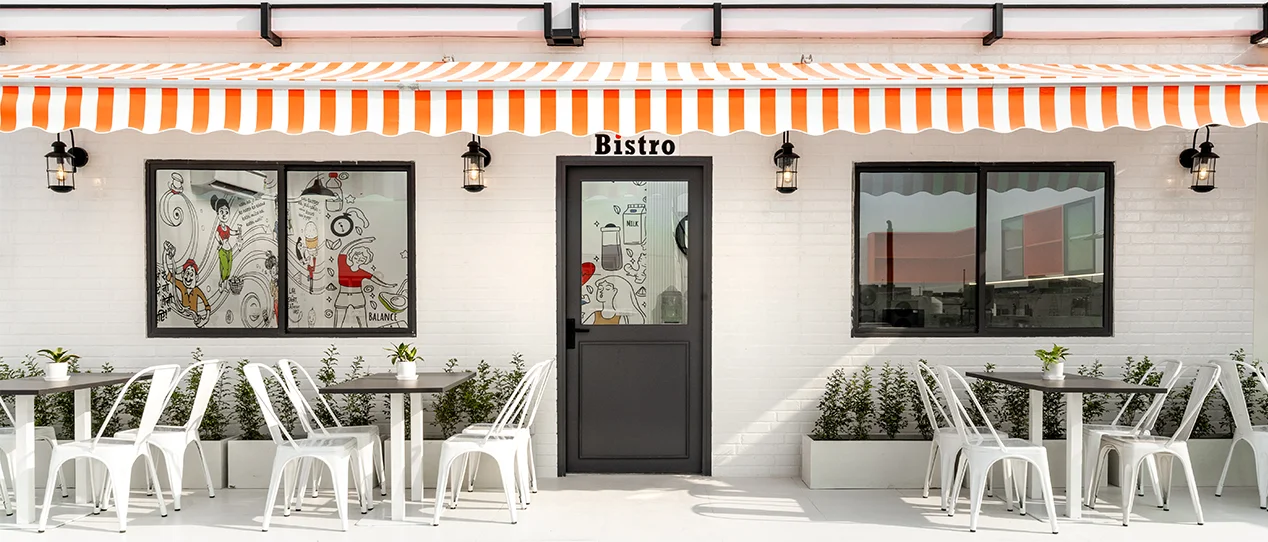
Delhi has never been short of places to get a cup of coffee. From the lanes of Hauz Khas Village and the colonnades of Connaught Place to Khan Market, Lodhi Colony and Saket, the city's cafe scene is vibrant, competitive and constantly evolving. In such a crowded market, great coffee is only the starting point. Customers today choose a cafe for how it feels, how it looks and how well it fits into their day, and they share that choice with their followers. In this guide, Colonelz Construction shares how a cafe interior designer in Delhi shapes spaces that win customers.
This is why the role of a cafe interior designer in Delhi has become so important. Your interior is no longer just a backdrop; it is part of your marketing, your brand and your revenue strategy. This guide covers the principles that help a cafe stand out, attract footfall and build a loyal customer base.
Why Experience-Led Design Matters
A decade ago, many cafes competed mainly on menu and price. Today, social media has changed expectations. A visually distinctive cafe gets photographed, tagged and recommended, giving you free reach that advertising can't easily buy. But a cafe that is only built for photographs, with uncomfortable seats or slow service, will not retain customers.
The strongest cafe designs balance three things: visual appeal, comfort and operational efficiency. A cafe interior designer in Delhi must think about all three from the very first sketch.
1. A Cafe Interior Designer in Delhi Starts with a Clear Concept
Before choosing colours or furniture, decide what your cafe is about. A clear concept guides every later decision. Some popular directions in Delhi include:
- Minimalist brew bars with clean lines, neutral palettes and a focus on the coffee craft.
- Garden and botanical cafes with plants, natural light and earthy textures, a good fit for Delhi's pleasant winters.
- Vintage or bookish cafes with warm lighting, bookshelves and eclectic furniture.
- Heritage-inspired cafes that use jali work, arches and local craft in a modern way.
- Industrial-style cafes with exposed brick, metal and concrete finishes.
Whichever you pick, commit to it. Colours, materials, music, menu design, uniforms and packaging should all tell the same story.
2. Create One Hero Moment
Every memorable cafe has something people want to photograph: a sculptural light fixture, a mural, an arched entrance, a neon sign, a statement counter or a living plant wall. Rather than decorating every surface, choose one or two hero features and design the rest of the space to support them quietly.
Place the hero feature where it is visible from the entrance and where customers can naturally stand or sit to take photos. Make sure the lighting there flatters people, not just the object.
3. Lighting Sets the Mood
Lighting is the most underrated element of cafe design. Bright, flat lighting makes a cafe feel like an office; warm, layered lighting makes it feel inviting. A good lighting plan has three layers:
- Ambient lighting for general illumination, usually dimmable.
- Task lighting over the counter, kitchen and reading tables.
- Accent lighting to highlight features such as artwork, shelves or textured walls.
Daylight is a major asset in the morning, so consider large windows or glass doors where the building allows. For evenings, warm-toned bulbs of around 2700K to 3000K create a cosy atmosphere.
4. Layout That Drives Revenue
Beautiful design must be backed by smart planning. The layout affects how many customers you can serve and how comfortable they feel. Consider:
- A mix of seating types: two-seaters for couples, communal tables for groups and freelancers, and a few cosy corners or window seats.
- Customer flow: a clear path from entrance to counter to seating, without bottlenecks.
- Counter placement: visible from the entrance, but not so close that queues block the door.
- Takeaway options: a dedicated pick-up point helps during rushes.
Avoid overcrowding the space with tables. Customers who feel cramped leave sooner and visit less often.
5. Choose Materials That Look Good and Last
Cafes see heavy daily use, so materials need to be both attractive and practical. Scratch-resistant tabletops, stain-resistant upholstery, durable flooring and easy-to-clean wall finishes will keep the cafe looking fresh with less maintenance.
Natural textures such as timber, terracotta, cane and stone add warmth, while metal accents and glass bring contrast. In Delhi's climate, also consider materials that handle heat and humidity changes well, especially for outdoor or semi-outdoor areas.
6. Acoustics and Comfort
A cafe that is too loud tires customers quickly, while one that is too quiet can feel awkward. Soft furnishings, upholstered seating, curtains, acoustic panels and textured ceilings help absorb noise and create a pleasant buzz. Comfortable seating with the right height and back support also encourages longer stays and higher order values.
Air conditioning, ventilation and exhaust need careful planning as well. Coffee machines, ovens and grills produce heat and odours that must be managed without affecting the dining area.
7. Plan the Back-of-House Properly
The kitchen, storage and service areas are where the cafe actually runs. Poor planning here leads to slow service, tired staff and higher costs. A good cafe interior designer in Delhi will coordinate:
- Equipment layout for smooth workflow
- Plumbing, drainage and grease management
- Electrical load for coffee machines, refrigeration and ovens
- Storage for dry goods, cold items and cleaning supplies
- Staff movement and hygiene areas
Getting these details right at the design stage avoids expensive changes after construction begins.
8. Budgeting and Timeline
A cafe fit-out involves many moving parts: civil work, flooring, ceilings, electrical, HVAC, plumbing, carpentry, furniture and signage. Setting a realistic budget early, with allowances for contingencies, prevents unpleasant surprises. Also factor in licences and approvals, which can affect your opening date.
Working with a design-and-build firm keeps design intent and execution aligned, so the cafe you approved on paper is the cafe you open to customers.
Why Choose Colonelz Construction as Your Cafe Interior Designer in Delhi
Colonelz Construction brings together interior design and construction for cafes and other commercial spaces in Delhi NCR. The team manages the project from concept and 3D visualisation through civil execution, electrical, HVAC, carpentry and final styling.
With Colonelz Construction, cafe owners benefit from:
- Concept-led design tailored to your brand, audience and location.
- Practical planning for kitchen, service and customer flow.
- One accountable team for design and execution.
- Transparent costing and timelines so you can plan your launch.
Frequently Asked Questions
How do I choose a cafe interior designer in Delhi?
Look for hospitality experience, a clear design process, 3D visualisation and in-house execution, so the finished cafe matches the approved design.
How much space do I need for a cafe?
It depends on your concept. A small takeaway-focused cafe can work in a compact footprint, while a sit-down cafe needs more space for seating and back-of-house. A designer can test layouts for your specific site.
Can a cafe be designed on a tight budget?
Yes. Prioritise the hero feature, lighting and comfortable seating, and keep other finishes simple and durable.
How long does a cafe interior project take?
Timelines vary with size and complexity. A clear schedule agreed at the start, covering design, approvals and execution, helps you plan your opening.
Final Thoughts
In Delhi's competitive cafe market, hiring the right cafe interior designer in Delhi is a business decision as much as an aesthetic one. A strong concept, a memorable hero feature, thoughtful lighting, comfortable seating and an efficient layout together create a cafe that people want to photograph, talk about and return to.
 French
 English
 Arabic
 Spanish
 Portuguese
 Deutsch
 Turkish
 Dutch
 Italiano
 Russian
 Romaian
 Portuguese (Brazil)
 Greek