
Challenges Faced by Engine Gasket Manufacturers in India
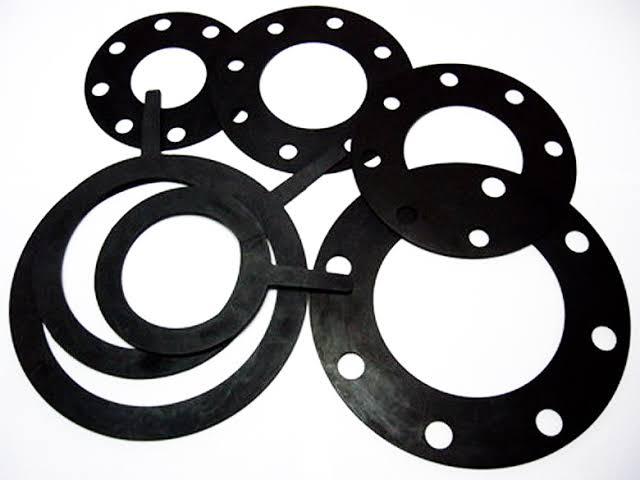
Engine gaskets are important components used in automobiles, commercial vehicles, agricultural machinery, and industrial equipment. Their primary purpose is to create a proper seal between connected engine surfaces and prevent the leakage of oil, coolant, and combustion gases. A good-quality gasket helps maintain engine pressure, supports efficient operation, and protects internal components from damage.
India has a growing automotive and manufacturing industry, creating opportunities for engine gasket producers. However, manufacturing these components involves several technical and operational difficulties. Companies must maintain product quality, manage production expenses, adopt new technologies, and meet the changing expectations of customers. These responsibilities can become challenging, particularly for manufacturers handling different product requirements and large orders.
Let's look at the major challenges faced by engine gasket manufacturers in India and understand how they influence the manufacturing industry.
1. Increasing Cost of Raw Materials
Raw material expenses are a major concern for engine gasket manufacturers. Different types of gaskets require materials such as graphite, rubber, metal, and non-asbestos composite sheets. The choice depends on the engine design, operating temperature, pressure, and application.
Changes in material prices can directly affect production costs. When the cost of essential materials increases, manufacturers may find it difficult to maintain existing product prices while protecting their profit margins. This becomes more complicated when they have already committed to supplying products at previously agreed rates.
To manage this challenge, manufacturers need to plan their purchases carefully, maintain relationships with dependable suppliers, and monitor changes in material availability. Proper inventory management can also help reduce the impact of unexpected price increases.
2. Maintaining Consistent Product Quality
Product quality is one of the most important responsibilities in gasket manufacturing. An engine gasket must provide reliable sealing under demanding operating conditions. Even small defects in thickness, dimensions, material composition, or finishing can affect its performance.
Maintaining consistent quality becomes challenging when manufacturers produce multiple gasket designs or handle large orders. Variations between production batches may create problems for customers who expect every product to meet the same specifications.
Manufacturers need to establish proper quality control procedures throughout production. Checking incoming materials, monitoring cutting accuracy, measuring finished products, and conducting suitable performance tests can help identify defects before delivery.
Consistent manufacturing quality also helps businesses develop trust with distributors, automotive companies, and industrial customers.
3. Growing Competition in the Indian Market
The Indian gasket manufacturing sector includes numerous domestic producers and international suppliers. This creates competition in terms of product pricing, quality, delivery schedules, and technical capabilities.
Customers generally compare different manufacturers before selecting a supplier. They look for products that meet their application requirements while offering reasonable prices and dependable availability.
For manufacturers, reducing prices continuously is not always a sustainable approach. It can affect production budgets and leave fewer resources for equipment maintenance and quality improvements.
Instead, businesses need to focus on manufacturing accuracy, product reliability, customer communication, and timely deliveries. Developing specialised products can also help manufacturers serve customers with specific requirements.
4. Adopting Advanced Manufacturing Technology
Modern manufacturing equipment can improve production speed, cutting accuracy, and material utilisation. However, upgrading machinery is a significant investment for gasket manufacturers.
Small and medium-sized businesses may face difficulties when purchasing advanced equipment because they also need to manage labour costs, electricity expenses, maintenance, and other operational requirements.
Apart from buying machinery, manufacturers must ensure that employees understand how to operate it correctly. Poor machine handling or incorrect settings can result in defective products and material wastage.
A practical approach is to evaluate existing production processes and identify areas where technology can provide measurable improvements. Gradual investment in suitable equipment can help manufacturers improve productivity without placing unnecessary pressure on their budgets.
5. Handling Different Product Specifications
Different engines require different gasket designs and material properties. A gasket used in a passenger car may have different requirements from one designed for a tractor, truck, generator, or industrial machine.
Manufacturers must understand these differences and produce products according to the required dimensions, thickness, shape, and material specifications.
Custom manufacturing can create additional difficulties because every specialised order may require separate planning, design adjustments, and production checks. Incorrect information from customers can also result in manufacturing errors.
To avoid such problems, manufacturers should review technical drawings, samples, and application details before starting production. Clear communication between customers and production teams is essential for delivering the correct product.
6. Shortage of Skilled Technical Workers
Engine gasket production involves several activities that require practical knowledge and technical skills. Workers may be responsible for machine operation, material preparation, cutting, finishing, inspection, and packaging.
Finding employees who understand modern manufacturing equipment and quality requirements can be difficult. This is particularly challenging when companies introduce new machinery or expand their production capacity.
A shortage of trained workers can affect productivity, increase manufacturing errors, and create delays in order fulfilment.
Manufacturers can address this issue by providing regular training and encouraging employees to develop technical skills. Training in equipment handling, workplace safety, quality inspection, and production procedures can improve overall efficiency.
7. Managing Production Expenses and Material Waste
Controlling manufacturing expenses is another ongoing challenge. Apart from raw materials, companies need to consider electricity, employee salaries, machinery maintenance, packaging, transportation, and equipment replacement.
Material waste can further increase operating costs. Incorrect cutting measurements, unsuitable machine settings, and damaged raw materials may result in rejected products and unnecessary expenses.
Manufacturers should regularly review their production activities to identify areas where resources are being wasted. Proper machine maintenance, accurate measurements, and organised production planning can help reduce avoidable losses.
Efficient resource utilisation allows companies to manage their expenses while maintaining the required product standards.
8. Adapting to Changes in Automotive Technology
Automotive technology continues to develop, and these changes influence the components used in modern engines. Manufacturers must understand updated engine designs, operating requirements, and material expectations to keep their products suitable for different applications.
Modern engines may require improved sealing performance, better temperature resistance, and precise gasket dimensions. Manufacturers that fail to understand these developments may find it difficult to meet changing customer requirements.
The growth of electric vehicles is another development influencing the long-term automotive industry. Fully electric vehicles do not use conventional combustion engines, but traditional and hybrid vehicles continue to require engine sealing components.
Manufacturers should follow industry developments and evaluate opportunities in related sealing products to prepare for changing market requirements.
9. Supply Chain and Delivery Management
A dependable supply chain is necessary for maintaining regular production. Delays in raw material supplies, transportation difficulties, or unexpected shortages can interrupt manufacturing schedules.
These problems can affect manufacturers that work with bulk orders or strict delivery commitments. Delayed supplies may also create difficulties for distributors and automotive workshops that depend on replacement gaskets for repairs.
Companies should develop relationships with reliable suppliers and maintain appropriate stock of essential materials. Planning orders in advance and identifying alternative sources can help reduce the effect of unexpected supply disruptions.
10. Environmental Regulations and Workplace Safety
Manufacturing companies must pay attention to environmental responsibility and employee safety. Gasket production involves machinery, industrial materials, cutting operations, and waste generation. Each activity requires appropriate handling and safety procedures.
Material selection is another important consideration. For example, asbestos presents serious health risks, so manufacturers must follow applicable regulations and consider suitable non-asbestos alternatives.
However, changing materials is not simply a matter of replacing one product with another. Alternative materials must be evaluated for their heat resistance, compressibility, durability, and sealing performance.
Following applicable environmental and workplace safety requirements helps manufacturers maintain responsible operations and protect their employees.
Conclusion
Engine gasket manufacturers in India face several challenges, including changing raw material prices, quality control requirements, increasing competition, technology investments, and supply chain difficulties. Managing these issues requires proper planning, skilled employees, reliable suppliers, and continuous improvements in production methods.
Manufacturers must also understand changing automotive requirements and focus on delivering products that meet specific application needs. Businesses exploring engine sealing solutions can consider Celofin Gasket when evaluating suitable products and manufacturing requirements.
Ultimately, maintaining consistent quality, improving production efficiency, and responding to customer expectations will remain important for manufacturers looking to build long-term relationships and achieve sustainable growth in India's competitive automotive component industry.
 English
 Arabic
 French
 Spanish
 Portuguese
 Deutsch
 Turkish
 Dutch
 Italiano
 Russian
 Romaian
 Portuguese (Brazil)
 Greek