
Small Screens, Big Possibilities: The Growing Importance of Micro Display Technology
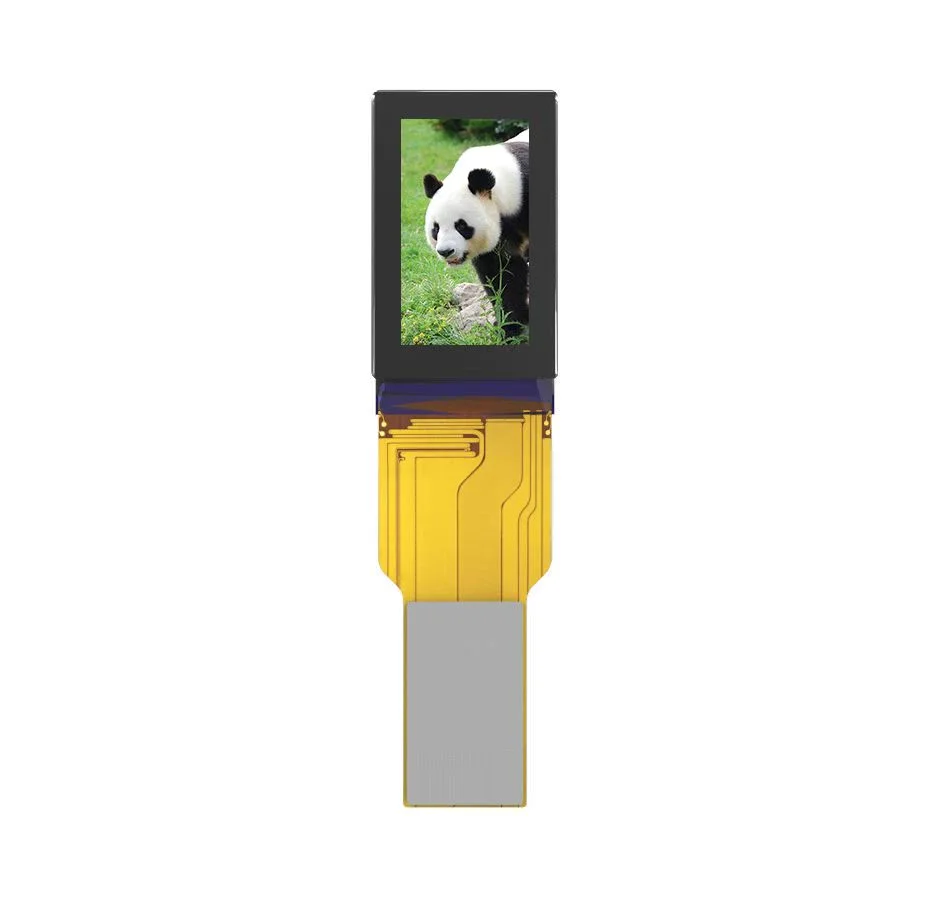
The demand for smaller electronic devices with increasingly advanced visual capabilities is transforming the display industry. Manufacturers are developing compact products that must deliver detailed images while working within strict limitations on size, weight, and power consumption. From wearable electronics to virtual reality headsets and professional viewing equipment, miniature screens are becoming essential components in modern product design. A high-quality micro display provides a compact visual solution for applications where traditional display panels may be too large or unsuitable. As optical and electronic technologies advance, micro displays are opening new possibilities for product developers.
What Is Micro Display Technology?
A micro display is a very small display panel designed to present visual information within a limited physical area. Unlike conventional screens used in televisions, computers, and smartphones, micro displays are often integrated into optical systems or specialized electronic devices.
Their compact size makes them particularly useful in applications where the display needs to work alongside lenses, mirrors, sensors, or other components. Depending on the product requirements, different display technologies may be used, including OLED, LCD, and other miniature display architectures.
Each technology has its own characteristics, so manufacturers should evaluate resolution, brightness, contrast, power requirements, and compatibility before selecting a suitable solution.
Why Compact Displays Are Becoming Important
Modern product development increasingly focuses on reducing device dimensions without sacrificing functionality. Large display panels are not practical for every application, especially when products need to be lightweight, portable, or positioned close to the user's eyes.
Micro displays help address these design challenges by providing visual output within a small footprint. Their compact structure can give engineers greater flexibility when arranging internal components and developing streamlined product designs.
This is especially relevant for near-eye devices, where the display works with an optical system to create an enlarged image for the viewer. The final viewing experience depends on the complete combination of display and optics rather than the screen alone.
Applications in Virtual and Augmented Reality
Virtual reality and augmented reality are important areas for miniature display development. VR headsets use displays and optical components to create immersive digital environments for gaming, simulation, education, and professional training.
A compact display can support headset designs where internal space is limited. When paired with suitable lenses, it can present detailed images for near-eye viewing.
AR systems have different requirements because they combine digital information with the user's view of the surrounding environment. These products may require specific brightness levels, optical arrangements, and display characteristics depending on how the digital content is presented.
For manufacturers, choosing the right display requires understanding the intended device architecture and the visual experience the product needs to deliver.
Supporting Wearable and Portable Devices
Wearable technology places demanding requirements on component size and weight. Smart glasses, electronic viewfinders, personal viewing systems, and other compact devices need components that fit into small structures.
Micro displays can support these products by providing visual information without requiring a conventional large screen. Their integration may allow manufacturers to explore new device shapes and more compact product arrangements.
However, physical size is only one consideration. Power consumption, heat management, brightness, viewing comfort, and electrical compatibility must also be evaluated to ensure the finished device performs reliably.
Different Display Technologies and Their Features
Micro displays are not limited to a single technology. Different display architectures offer different advantages depending on the intended application.
OLED-based displays are self-emissive, meaning their pixels generate their own light. This can support high contrast and compact designs. LCD-based solutions use a different operating principle and may be suitable for applications with specific brightness, cost, or system requirements.
The best choice depends on the required image quality, operating conditions, production budget, and compatibility with other components. Manufacturers should compare actual specifications rather than assuming that one technology is suitable for every product.
Key Factors When Selecting a Micro Display
Choosing an appropriate display is an important part of product development. Engineers and purchasing teams should consider several technical factors:
-
Resolution: Determine the level of image detail required for the application.
-
Pixel density: Evaluate how closely the display will be viewed, especially in near-eye systems.
-
Brightness: Match brightness requirements to the viewing environment and optical configuration.
-
Contrast: Consider the need for clear separation between bright and dark image areas.
-
Color reproduction: Review color accuracy and consistency for the intended content.
-
Power consumption: Assess how the display affects battery life and overall energy requirements.
-
Physical dimensions: Confirm that the component fits the available mechanical space.
-
Interface compatibility: Check electrical connections, signal requirements, and integration arrangements.
A complete evaluation helps reduce compatibility problems and supports better product planning.
Why Integration and Testing Matter
A micro display must work effectively with the other components of its host device. Optical alignment, mounting accuracy, electrical connections, and thermal conditions can all influence the final result.
For AR and VR applications, the relationship between the display and optical module is particularly important. Even a technically capable display may not deliver the intended viewing experience if it is incorrectly matched with the lens system.
Testing components within the intended product configuration allows manufacturers to evaluate image quality, operating stability, and integration performance. Supplier communication and consistent quality control are also valuable throughout the development process.
Moving Forward with Advanced Visual Technology
Micro display technology is helping manufacturers rethink how visual information can be delivered in compact electronic products. Its applications across immersive devices, wearable electronics, and specialized optical systems demonstrate the growing importance of miniature screens.
As product requirements continue to evolve, selecting the right display will involve balancing image quality, physical dimensions, power consumption, and system compatibility. Businesses exploring advanced visual components can consider a suitable micro display as part of their product development strategy. With careful specification matching and proper integration, compact display solutions can support the next generation of innovative electronic devices.
 Spanish
 English
 Arabic
 French
 Portuguese
 Deutsch
 Turkish
 Dutch
 Italiano
 Russian
 Romaian
 Portuguese (Brazil)
 Greek