
Fossil Fuels vs Renewables: Understanding the Energy Transition
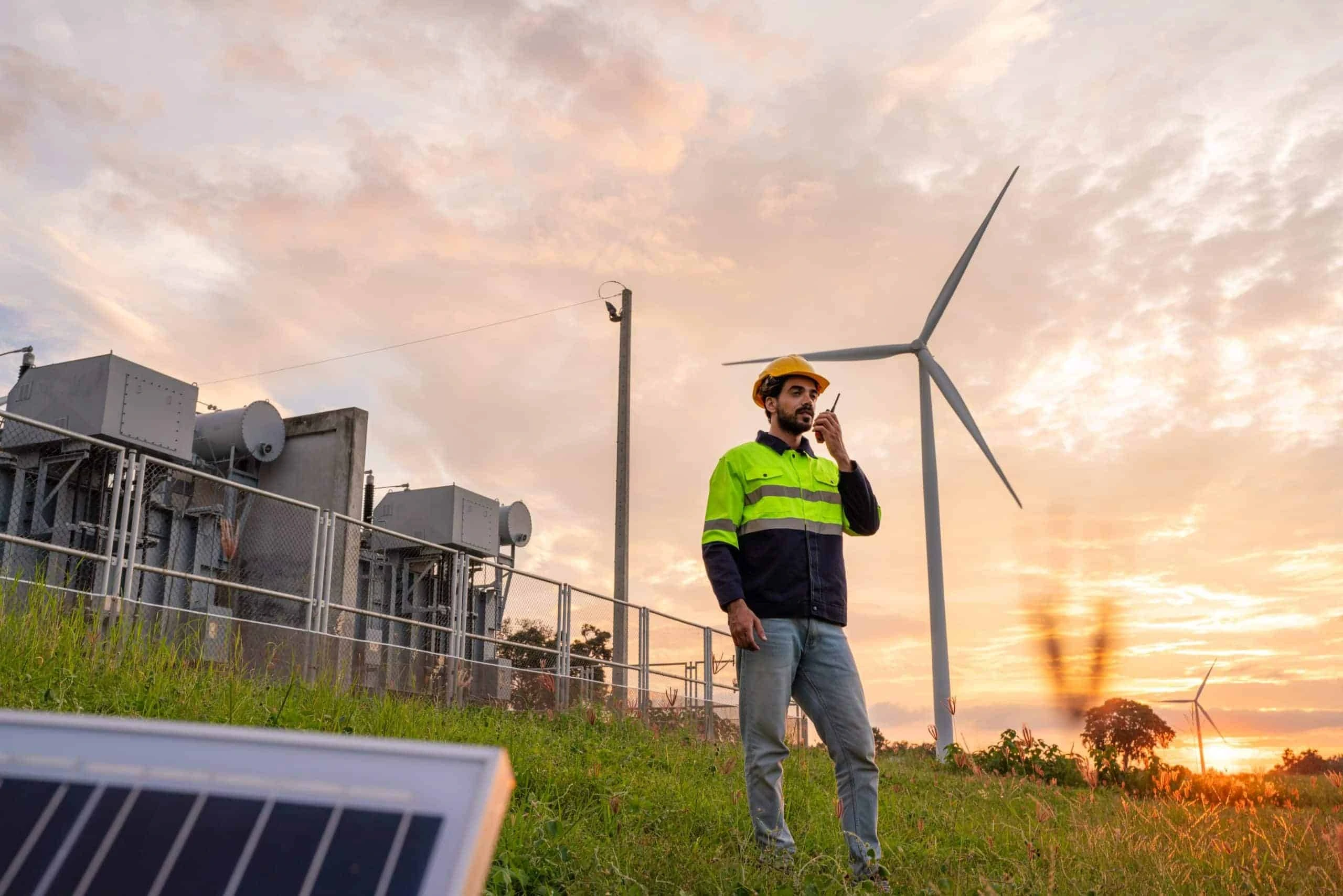
The world is in the middle of one of the biggest changes in its history: a shift from the fossil fuels that have powered us for over a century to clean, renewable energy. You hear about it constantly, but what does it actually mean? What’s the real difference between fossil fuels and renewables, and why is the world moving from one to the other? Here’s a clear guide to understanding the energy transition.
The Two Types of Energy
To understand the transition, you first need to understand the two sides of it, and they’re genuinely different.
Fossil fuels, coal, oil and natural gas, are energy sources formed over millions of years from the remains of ancient plants and animals. We burn them to produce energy, and they’ve powered homes, cars, industry and electricity for well over a hundred years. They’re powerful and established, but they come with two big problems: there’s a limited supply (they’ll eventually run out), and burning them releases greenhouse gases that drive climate change.
Renewables, solar, wind, hydro, geothermal and more, come from natural sources that are constantly replenished. The sun keeps shining, the wind keeps blowing, rivers keep flowing. These sources won’t run out, and they produce little to no greenhouse gas emissions when generating energy. That combination, endlessly available and clean, is what makes them so important for the future.
The Key Differences
Laying the two side by side makes the contrast, and the reasons for the transition, clear.
- Supply: Fossil fuels are finite and will eventually run out; renewables are naturally replenished and effectively unlimited.
- Emissions: Burning fossil fuels releases greenhouse gases that cause climate change; renewables produce little to no emissions.
- Environmental impact: Fossil fuels contribute to pollution and climate change; renewables are far cleaner.
- Cost over time: Fossil fuel prices can be volatile; renewable technology has become dramatically cheaper and is now often the cheapest way to generate electricity.
These differences are exactly why the world is working to shift from one to the other. For trustworthy, up-to-date information on the global energy transition, the International Energy Agency’s work on clean energy transitions is a reliable resource.
Why Fossil Fuels Powered the World (And Why We’re Moving On)
It’s worth understanding why we relied on fossil fuels for so long, because it explains both their appeal and the challenge of moving away from them.
Fossil fuels became the backbone of the modern world because they’re energy-dense, reliable and, for a long time, cheap and abundant. They powered the industrial revolution and everything that followed. But as we’ve burned more and more of them, two realities have become clear: the supply is limited, and the emissions are causing serious harm to the climate. So while fossil fuels built the modern world, continuing to rely on them isn’t sustainable, which is why the world is now transitioning to cleaner sources.
What “the Energy Transition” Actually Means
Now we can define the phrase itself, because it’s at the heart of this whole topic.
The “energy transition” is the global shift from relying on fossil fuels to relying on clean, renewable energy. It means building more solar and wind farms, modernising the electricity grid, developing better ways to store energy, and gradually reducing how much coal, oil and gas we use. It’s one of the most important efforts of our time, driven by the need to tackle climate change while still meeting the world’s growing energy needs. And it’s already well underway: renewables are now one of the fastest-growing sources of energy in the world.
It’s a Big Shift, and It Takes Time
It’s worth being realistic: moving the whole world from fossil fuels to renewables is a huge undertaking.
Fossil fuels still provide a large share of the world’s energy, and switching over involves real challenges, building enough renewable capacity, storing energy for when the sun isn’t shining and the wind isn’t blowing, upgrading grids, and transforming areas like transport and industry. So the transition is a gradual process, not an overnight switch. But the direction is clear and the momentum is real: renewables are growing fast, becoming cheaper, and steadily taking over more of the world’s energy supply. Understanding that it’s a journey, one that today’s young people will see through, helps put the whole effort in perspective.
Why This Matters for Young People
Finally, understanding the energy transition matters especially for young people, because it’s their future being shaped.
Today’s young people will live through the heart of this transition and, increasingly, help lead it, as engineers, scientists, leaders, voters and informed citizens. Understanding the difference between fossil fuels and renewables, and why the world is shifting, equips them to make good choices, pursue meaningful careers in the growing clean-energy field, and take part in one of the defining efforts of their lifetime. This is exactly why energy education matters, and it’s the mission behind Energy Mentors, which helps young people understand energy and become part of a cleaner, more sustainable future.
The Bottom Line
The energy transition is the world’s shift from fossil fuels, coal, oil and gas, which are finite and release climate-warming emissions, to renewables like solar and wind, which are clean and endlessly replenished. Fossil fuels powered the modern world, but their limited supply and environmental impact mean that continuing to rely on them isn’t sustainable, which is why the world is moving to cleaner sources.
This transition is one of the biggest and most important changes of our time. It’s a gradual journey with real challenges, but the momentum is clear: renewables are growing fast and steadily reshaping how the world is powered. For young people especially, understanding this shift is understanding the future they’ll inherit, and help to build.

 Arabic
 English
 French
 Spanish
 Portuguese
 Deutsch
 Turkish
 Dutch
 Italiano
 Russian
 Romaian
 Portuguese (Brazil)
 Greek