
How Vehicle Maintenance Software Helps Businesses Manage Their Fleets
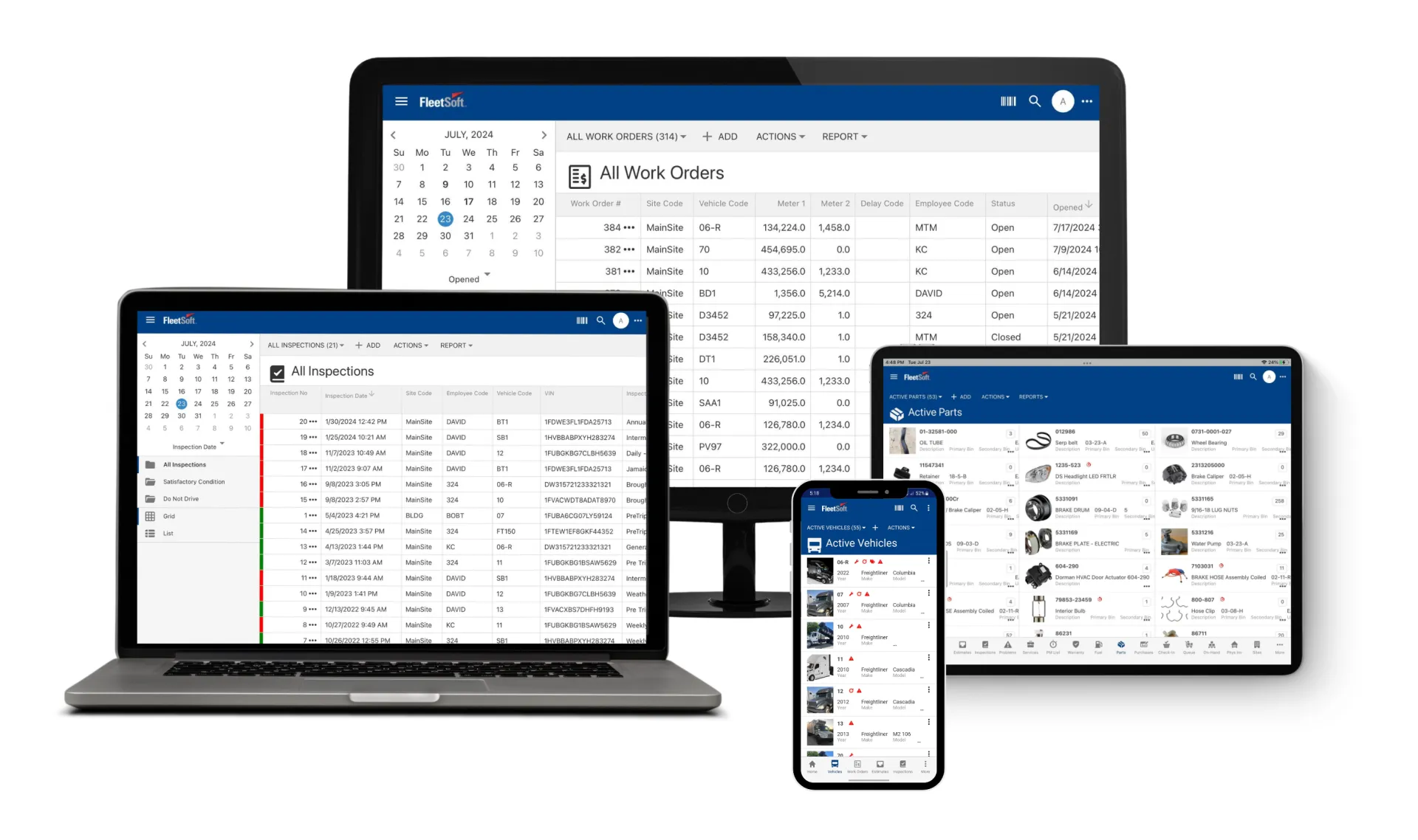
Keeping business vehicles in good working condition takes more than arranging repairs when something goes wrong. Fleet managers need to monitor service schedules, inspect vehicles, manage repair costs, and maintain accurate records. Without a structured process, important maintenance tasks can easily get overlooked. Vehicle maintenance software helps businesses organize these responsibilities, reduce unexpected breakdowns, and keep their vehicles ready for daily operations.
Whether a company operates delivery vans, service vehicles, school buses, or heavy-duty trucks, having a central system for maintenance information makes fleet management easier. It gives managers better visibility into vehicle conditions and helps maintenance teams complete work on time.
How Does Vehicle Maintenance Software Improve Daily Operations?
Now let’s understand how Vehicle maintenance software brings maintenance schedules, repair records, inspections, and parts information together in one place. Instead of relying on separate spreadsheets, paper files, or manual reminders, managers can use organized digital records to understand what each vehicle needs.
For example, when a vehicle approaches its next scheduled service, the system can provide a reminder based on mileage, time, or both. Managers can review the vehicle's maintenance history, identify outstanding problems, and arrange the necessary work before a minor issue becomes a major repair.
This approach also improves communication between drivers, mechanics, and fleet supervisors. Everyone can work with more consistent information, reducing confusion about service requirements and vehicle availability.
1. Schedule Preventive Maintenance Before Problems Develop
Preventive maintenance helps identify potential mechanical problems before they cause serious damage or unexpected downtime. Regular oil changes, brake inspections, tire checks, and fluid replacements can extend vehicle life and support safer operations.
A maintenance management system helps managers create schedules using specific service intervals. These can be based on mileage, operating hours, calendar dates, or a combination of factors, depending on the vehicle and maintenance requirements.
Automated reminders make it easier to track upcoming services. Managers can also review overdue tasks and prioritize vehicles that need immediate attention.
2. Maintain Complete Vehicle Service Histories
Every vehicle develops a maintenance history throughout its working life. This includes routine servicing, replacement parts, repairs, inspections, and recurring mechanical issues.
Keeping these details organized helps managers understand how individual vehicles perform over time. They can identify vehicles that require frequent repairs, compare maintenance expenses, and make better decisions about future servicing or replacement.
Digital records also make it easier to retrieve information when employees need to check previous repairs, service dates, or mileage readings. This reduces dependence on scattered paperwork and improves accountability.
3. Manage Repair Requests and Work Orders
Maintenance problems can be reported by drivers, mechanics, or other employees. However, without a clear reporting process, issues may remain unresolved or get lost between departments.
A structured work order process helps maintenance teams document reported problems, assign repair tasks, record completed work, and track outstanding jobs.
Managers can review which vehicles are waiting for repairs, which tasks are in progress, and which vehicles are ready to return to service. This makes maintenance planning more organized and helps teams respond to urgent problems.
4. Improve Vehicle Inspections and Compliance
Regular inspections help businesses identify safety concerns and maintain accurate operational records. Drivers and maintenance personnel can use inspection procedures to document vehicle conditions and report problems that require attention.
Electronic inspection handling makes it easier to record findings, capture required information, and maintain signed inspection records. Managers can review reported issues and follow up on problems before vehicles return to operation.
Organized inspection records also support accountability and help businesses demonstrate that maintenance responsibilities are being addressed.
5. Control Spare Parts and Inventory Costs
Maintenance teams need access to essential replacement parts to complete repairs without unnecessary delays. However, keeping too much stock increases carrying costs, while insufficient inventory can delay important maintenance work.
Inventory management features help businesses track incoming and outgoing parts, monitor available quantities, and organize reorder requirements. Minimum and maximum stock levels can support more consistent inventory control.
Managers can also review parts usage and identify items that need closer monitoring. Tracking inventory movements helps improve accountability and reduces the risk of missing or inaccurate stock records.
6. Understand Maintenance Expenses Across the Fleet
Repair costs can vary significantly between vehicles. Some may require regular servicing, while others may develop recurring problems that increase operating expenses.
Financial dashboards help managers review maintenance-related information alongside other operating costs. They can examine parts usage, fuel expenses, labor time, and the assets responsible for the highest spending.
These insights support better budgeting and help managers identify where maintenance practices may need improvement. Comparing vehicle expenses over time can also help determine whether repairing an older asset remains practical.
7. Improve Communication Between Drivers and Mechanics
Drivers often notice early warning signs before a vehicle develops a serious problem. Unusual sounds, warning lights, handling changes, or fluid leaks should be communicated to maintenance teams promptly.
A reporting and notification process helps employees share these concerns with the right people. Mechanics can review reported problems and prioritize repairs based on their urgency.
Employees can also receive updates about issues that keep vehicles out of service. Better communication helps prevent missed information and supports a more coordinated maintenance process.
8. Make Maintenance Decisions Using Reliable Information
Vehicle maintenance decisions should be based on accurate records rather than assumptions. Managers need to know which vehicles are due for service, which repairs are recurring, and how much individual assets cost to maintain.
Centralized reporting makes these details easier to review. It also helps businesses recognize patterns that may not be obvious when information is stored across multiple files.
With a clearer understanding of fleet performance, managers can plan maintenance budgets, allocate resources, and make informed decisions about vehicle replacement.
Conclusion
Managing vehicle maintenance becomes easier when businesses have accurate records, organized service schedules, and better visibility into operating expenses. FleetSoft brings preventive maintenance, work orders, inspections, inventory management, and financial reporting together in one platform. Its tools help businesses reduce avoidable downtime, improve maintenance planning, and keep their vehicles operating efficiently.
Frequently Asked Questions
1. What is vehicle maintenance software?
Vehicle maintenance software is a digital system that helps businesses schedule servicing, manage repairs, track vehicle histories, monitor parts inventory, and organize maintenance activities.
2. How does vehicle maintenance software reduce downtime?
It helps managers schedule preventive maintenance, receive service reminders, and address reported problems before they lead to unexpected breakdowns.
3. Can vehicle maintenance software track service history?
Yes. It can maintain digital records of completed maintenance, repairs, service dates, mileage, and other important vehicle information.
4. Does vehicle maintenance software help control repair costs?
Yes. Maintenance reports and financial dashboards help businesses review repair expenses, identify costly assets, monitor parts usage, and plan maintenance budgets.
5. Is vehicle maintenance software suitable for different types of vehicles?
Yes. Businesses can use maintenance management systems to organize servicing for cars, vans, trucks, buses, and other commercial fleet assets.
 English
 Arabic
 French
 Spanish
 Portuguese
 Deutsch
 Turkish
 Dutch
 Italiano
 Russian
 Romaian
 Portuguese (Brazil)
 Greek