
Bricklayer Mortar Board: A Complete Guide for Bricklayers
Introduction
A well-organised work area is essential for achieving consistent results on any bricklaying project. Having the right equipment within easy reach helps bricklayers work efficiently, reduce unnecessary movement and maintain a steady workflow. One of the most useful pieces of equipment on a building site is a reliable mortar board, which provides a convenient surface for holding mortar during bricklaying tasks.
Whether working on a small garden wall, a house extension or a large construction project, choosing suitable equipment can make everyday tasks more manageable. Understanding the different types of boards, stands and accessories available helps tradespeople select equipment that meets the demands of the job.
This guide answers common questions about choosing, using and maintaining a Bricklayer Mortar Board, helping professionals and DIY enthusiasts make informed decisions.
What Is a Mortar Board in Bricklaying?
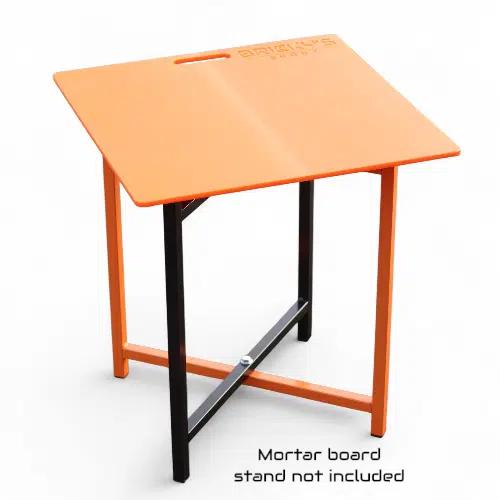
A mortar board is a flat, sturdy surface used to hold mortar while a bricklayer works. It allows the tradesperson to access mortar conveniently without repeatedly returning to a larger mixing area. This arrangement supports a more organised workspace and helps maintain a consistent working rhythm.
Mortar boards are commonly used alongside a trowel, bricks, a mixing container and other essential tools. Depending on the project, the board may be positioned on a suitable stand or placed on a stable working surface.
For professional tradespeople, the main purpose is convenience. A properly positioned board helps keep mortar accessible, reduces unnecessary reaching and supports efficient bricklaying throughout the day.
Why Is a Mortar Board Important for Bricklaying?
In mortar board bricklaying, equipment placement can influence both comfort and productivity. A suitable board provides a dedicated location for mortar, helping bricklayers manage materials more effectively.
The main benefits include:
-
Improved organisation: Keeps mortar in a designated area close to the working position.
-
Convenient access: Allows the bricklayer to collect mortar without frequent trips to the mixing station.
-
Better workflow: Supports a consistent pace when laying bricks and applying mortar.
-
Reduced material waste: A suitable surface can help contain mortar and make handling easier.
-
Practical site setup: Works alongside other equipment to create a more organised bricklaying station.
Although a mortar board cannot replace good technique, it can contribute to a more comfortable and efficient working environment.
What Should You Consider When Choosing a Bricklayer Mortar Board?
Selecting the right equipment involves more than comparing prices. Bricklayers should consider the materials, dimensions, stability and intended use before making a purchase.
1. Material and Durability
A board should withstand regular use on a construction site. Look for a durable material that can handle the weight of mortar and routine cleaning. The surface should also be practical for everyday work.
2. Size and Working Capacity
The correct size depends on the type of project and the amount of mortar required at the workstation. A compact board may suit smaller jobs, while larger projects may benefit from additional working space.
Avoid choosing a board that is unnecessarily large for the available site area. The aim is to balance capacity with convenient access.
3. Stability and Support
A stable setup is essential when handling heavy materials. If the board is used with a stand, check that the support is compatible with the board and suitable for the intended working conditions.
4. Portability
Bricklayers often move between different sections of a building site. Equipment that is easy to transport, position and clean can make daily work more convenient.
5. Maintenance Requirements
Choose a board that can be cleaned easily after use. Removing leftover mortar before it hardens helps maintain the surface and prepares the equipment for the next job.
What Is the Difference Between a Mortar Board and a Spot Board Stand?
A mortar board is the surface that holds mortar, while a Spot Board Stand is a support designed to position a compatible board at a practical working height.
Using a suitable stand can help keep the board off the ground and place materials within convenient reach. This can be especially useful when working across larger areas or when the workstation needs to be repositioned throughout the day.
Before purchasing a stand, check the board dimensions, connection or support requirements, weight capacity and suitability for the intended site conditions. Compatibility is important because not every board and stand combination will provide the same level of stability.
How Do You Choose the Right Mortar Board Stand?
A suitable mortar board stand should provide dependable support while allowing the bricklayer to work comfortably. Consider the following factors when comparing available options.
Stability: The stand should sit securely on a suitable, level surface and support the intended load.
Working height: Select a setup that allows convenient access to the mortar without excessive bending or reaching.
Compatibility: Confirm that the stand is designed for the board being used.
Portability: Lightweight or easily repositioned equipment may be useful when moving between work areas.
Durability: Construction-site equipment should be capable of handling regular use and exposure to typical working conditions.
Some mortar board stands are designed for particular board sizes or working arrangements. Always follow the manufacturer's instructions and avoid exceeding the stated load capacity.
What Are the Benefits of Using a Mortar Board and Stand Together?
Combining a suitable board with a compatible stand creates a dedicated mortar station. This setup can help bricklayers maintain an organised workspace and reduce unnecessary movement between the mortar supply and the wall.
A raised working surface may also make mortar easier to reach, depending on the user's height, working position and site layout. Correct positioning is important because an unsuitable height can increase discomfort rather than improve convenience.
When choosing a mortar board and stand, consider how the equipment will fit into the wider workspace. Leave sufficient room for movement, keep access routes clear and position materials so that the working area remains organised.
How Should You Maintain a Mortar Board?
Regular maintenance helps extend the useful life of bricklaying equipment. Mortar residue can harden on the surface, making subsequent cleaning more difficult and potentially affecting the board's usability.
Follow these simple maintenance practices:
-
Remove leftover mortar after completing the task or at the end of the working period.
-
Clean the surface using a method appropriate for the board's material.
-
Inspect the board for cracks, damage, warping or excessive wear.
-
Check stands, joints and supports for signs of instability or deterioration.
-
Store the equipment in a suitable location when it is not in use.
Avoid using cleaning products or tools that could damage the surface. Always follow the manufacturer's care recommendations.
Where Can Bricklayers Find Suitable Mortar Boards and Stands?
When comparing equipment, look for products that suit the demands of the job rather than choosing solely on price. Consider the frequency of use, board dimensions, support requirements, portability and ease of cleaning.
It is also worth checking product descriptions carefully to understand what is included in the purchase. Some options may include a board and stand together, while others may require separate purchases.
Bricky’s Buddy offers practical tools and accessories for bricklayers and building professionals. Exploring specialist bricklaying equipment can help tradespeople identify products that fit an existing setup and support everyday site work.
Conclusion
Choosing appropriate equipment can make bricklaying tasks more organised and manageable. A durable board, suitable support and regular maintenance help create a practical workstation for handling mortar throughout a project.
Before purchasing, consider the board's size, material, stability and compatibility with any supporting equipment. A carefully selected setup can improve access to mortar, support an efficient workflow and help keep the construction area organised.
Understanding these essentials makes it easier to select a Bricklayer Mortar Board that meets the requirements of different building projects.
Frequently Asked Questions
1. What is a Bricklayer Mortar Board used for?
A Bricklayer Mortar Board provides a convenient surface for holding mortar during bricklaying. It helps keep material accessible, supports an organised workstation and reduces the need to return repeatedly to the mixing area.
2. Is a stand necessary for a mortar board?
A stand is not always necessary. A board can be placed on another suitable, stable surface, provided the arrangement is safe and practical. A compatible stand can offer more convenient positioning and working height.
3. What is a Spot Board Stand?
A Spot Board Stand is a support used to position a compatible spot board or mortar board. It can help create a dedicated mortar station and keep materials accessible during bricklaying.
4. How often should a mortar board be cleaned?
A mortar board should be cleaned regularly, ideally after use and before mortar hardens. Frequent cleaning helps maintain the surface, simplifies future maintenance and prepares the board for the next task.
5. How do I choose the best mortar board and stand?
Consider durability, board size, stability, working height, portability and compatibility. Check the manufacturer's specifications and ensure the complete setup is suitable for the intended load and working conditions.
 Spanish
 English
 Arabic
 French
 Portuguese
 Deutsch
 Turkish
 Dutch
 Italiano
 Russian
 Romaian
 Portuguese (Brazil)
 Greek