
How Does FuRong Party Printed Paper Napkins Manufacturer Remove the Gray
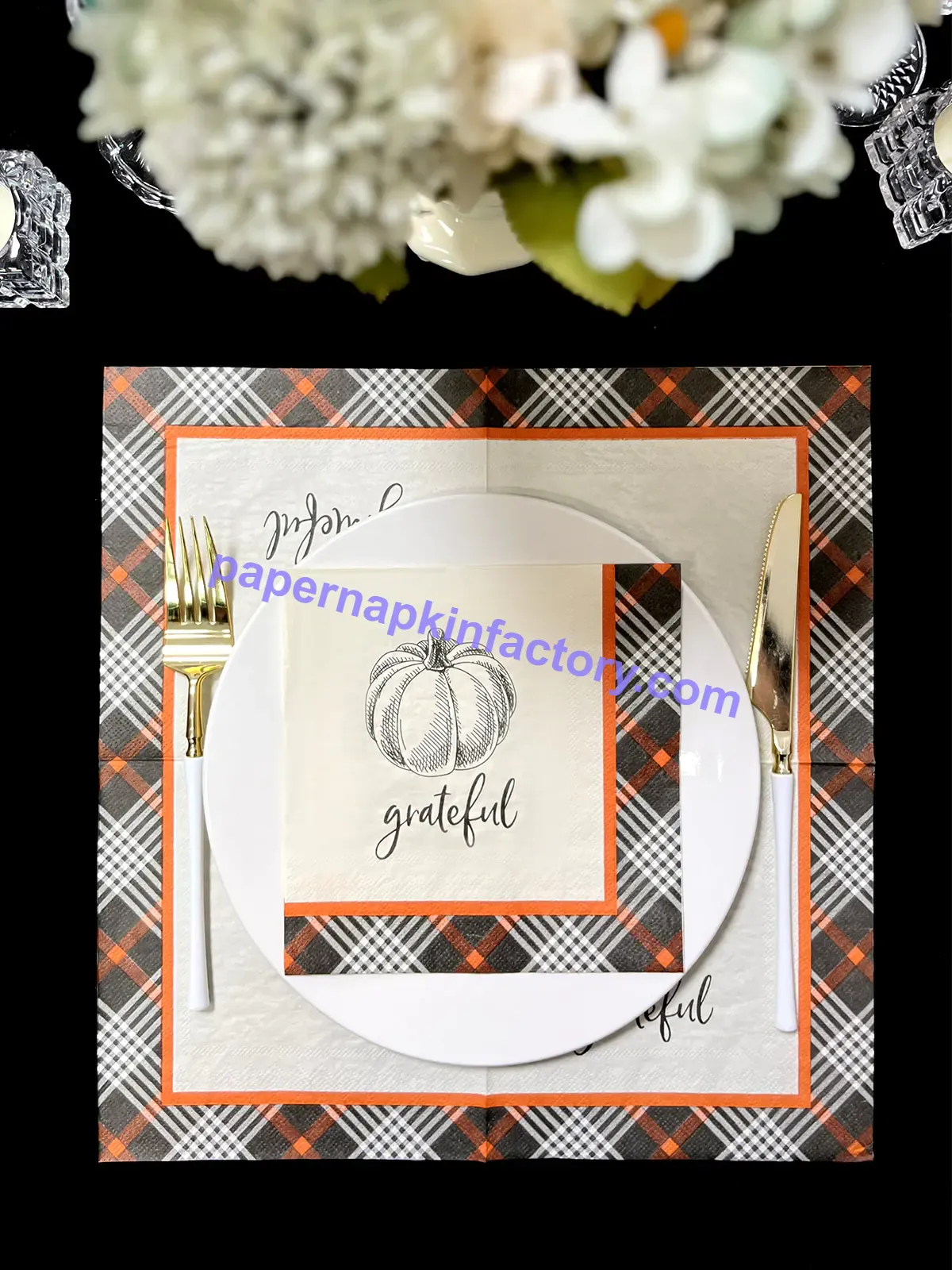
Recycled pulp carries a reputation problem in the party aisle, because shoppers picture yesterday's newspapers reborn as dull gray squares that would embarrass a wedding table, and that image dies hard even though modern fiber recovery has quietly become a precision craft. The gray reputation traces to the mixed history of recovered paper, since every toner fleck, adhesive fragment, and lignin remnant arriving in the furnish drags brightness down, and low-grade deinking once deserved every joke told about it. Yet Party Printed Paper Napkins Manufacturer facilities that invest in sorting, cleaning, and brightening now run recycled lines whose whiteness surprises first-time visitors, and suppliers such as papernapkinfactory build blends that let eco claims survive daylight inspection. If recovered fiber no longer guarantees dullness, which process decisions actually determine the shade on the table?
Where the Gray Comes From and How Mills Erase It
Grayness lives in what the recycling bin remembers: unremoved ink films scatter light dimly, hot-melt adhesives from envelope windows form sticky specks, and lignin left in unbleached fibers yellows within days of exposure to air and light. Modern deinking attacks these memory traces in stages, beginning with careful sorting that ejects the darkest sources before they enter the system, continuing through flotation cells that lift ink particles away with air bubbles, and finishing with dispersion that grinds remaining specks below visual perception. Bleaching chemistry completes the rescue, with elemental-chlorine-free sequences brightening fibers dramatically while avoiding the harshest agents environmental regulators restrict, and oxygen stages selectively attack chromophores without shredding chain strength. The economics temper every choice, since aggressive cleaning costs money and yields, so sophisticated mills blend deinked pulp with measured virgin portions, placing recycled fiber where performance allows and brightness-critical plies where printing demands a pristine canvas, and that balancing act delivers sheets where eco content and party polish coexist without apology.
What Buyers Should Verify Before Believing the Claim
Marketing language around recycled content floats freely, so purchasing teams translate it into numbers by asking for brightness test values on actual production runs, not brochure photographs shot under flattering light. Fiber source disclosure matters as well, because post-consumer office waste behaves differently from mixed curbside collections, and a mill that controls its intake stream controls its destiny at the sheet former. Printability testing on the finished napkin tells the final truth, since recycled surfaces with residual fines can blur fine type or mute saturated colors, and a sample run with the intended design reveals whether whiteness survives contact with real ink. Consistency across batches separates sincere programs from experiments, because a mill that hits brightness once may drift seasonally as furnish mixes change, and buyers protecting brand standards specify acceptable brightness ranges inside purchase agreements rather than accepting vague assurances of whiteness.
Fiber wisdom separates mills that recover paper from mills that recover its potential, and that philosophy runs through the sourcing culture at FuRong, where Party Printed Paper Napkins Manufacturer production lines begin with audited recovered fiber streams, deinking stages tuned for brightness targets rather than minimum compliance, and blending recipes that put recycled content precisely where it performs invisibly. The laboratory logs brightness on every batch and shares those curves with buyers, so eco claims rest on measurements instead of sentiments, and machine crews watch formation cameras that catch dark specks before ten thousand napkins inherit the spot. Visitors evaluating that transparency can explore the fiber options, brightness data, and print samples arranged at https://www.papernapkinfactory.com/product , where specifications invite comparison on the buyer's terms. A wedding guest who never suspects the napkin's recycled journey has paid the mill its highest compliment, and the factory that earns it has proven that sustainability and celebration belong on the same table.
 English
 Arabic
 French
 Spanish
 Portuguese
 Deutsch
 Turkish
 Dutch
 Italiano
 Russian
 Romaian
 Portuguese (Brazil)
 Greek