
Custom Safety Clothing Solutions From Chinese Manufacturers

Custom safety clothing means more than adding a logo. It can cover fabric choice, reflective tape patterns, fit, protection level and branding. Chinese factories with OEM/ODM experience can handle all of that, and the best ones guide you through each decision instead of leaving you to guess.
Standard catalog items work for plenty of buyers, but not everyone. A utility company may need flame resistant jackets, while a logistics brand wants women's fit shirts with its own colors. Working with China Safety Clothing Manufacturers that offer OEM and ODM services makes those requests realistic.
What Is OEM and ODM in Safety Clothing?
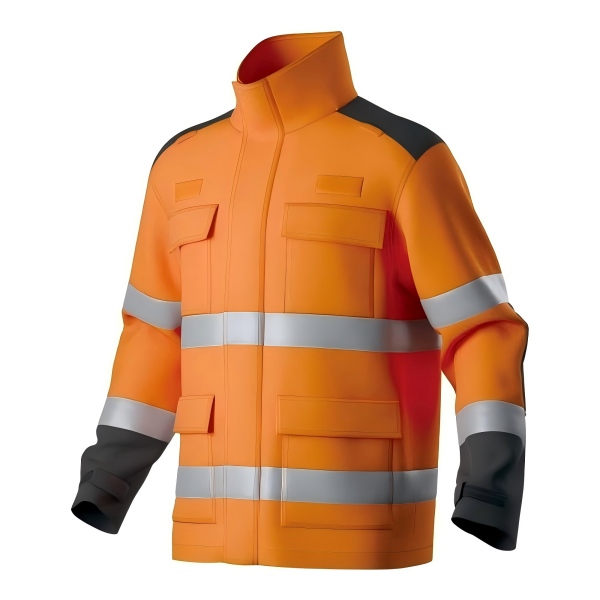
Two terms come up constantly, and they mean different things.
How Do OEM and ODM Differ?
With OEM, you bring the design and the factory builds it. With ODM, the factory contributes design work too, then produces garments under your brand. Kachun offers both, and its page highlights ODM safety shirts, jackets and vests alongside outdoor workwear.
Which is better? If you have a tech pack and strict specs, OEM fits. If you're launching a range and want expert input on fabrics and patterns, ODM saves time. Many buyers blend the two, supplying the idea and letting designers refine it.
What Does the Process Look Like?
Kachun lays out four steps. An inquiry gets confirmation within two working days. Samples are made to customer requirements within 7 to 14 days. Orders run through a computerized system with real time monitoring. Normal lead time is 7 to 8 weeks after pre production sample approval.
That timeline helps you plan. If you need stock by a certain season, count backward from delivery, add sample revisions and leave a little buffer. Clear steps make custom projects feel manageable instead of risky.
Which Customization Options Can You Choose?
The range is wider than many buyers expect.
Can You Choose Between Different Product Series?
Yes. Kachun's catalog includes recycled fabric, women's, sports and casual, flame resistant and regular series. Within them you'll find shirts, vests, jackets, trousers, coveralls and sweatshirts. So a single program can cover office staff, field crews and high heat workers with matching branding.
The recycled series deserves a mention. Kachun describes it as made entirely from certified recycled fabric, starting with collected bottles that are chopped, ground, melted and reformulated into Repreve chips before becoming fiber. For companies with sustainability goals, that's a story worth telling.
How Flexible Is Reflective Tape Design?
Reflective tape is where customization gets creative. Kachun lists sewing tape, heat transfer tape and a Patented Pattern Series with regular, perforated, functional and combined performance designs. Its blog also covers custom reflective logos, which shows how safety and brand identity can sit together.
Placement affects performance, so treat it seriously. A logo in the wrong spot can interrupt the tape pattern a standard requires. Ask the design team to review layouts against the target standard before samples are cut.
Customization Options Worth Discussing
-
Fabric type, including recycled or flame resistant options
-
Garment cut, including women's fits
-
Tape type and pattern
-
Branding and reflective logos
-
Insulation and winter layers
How Does Design Support Reduce Risk?
Custom work fails when communication fails. Good design support closes the gap.
What Should a Design Team Offer?
Kachun says its PPE designers bring years of industrial knowledge and look at everything from materials to final look. That matters because a jacket isn't only a shape. Seams, pockets, tape positions and fabric weight all affect safety and comfort.
A practical scenario shows why. Say you want a waterproof jacket for road crews. A designer can weigh whether recycled Oxford fabric, a quilted liner or a softshell approach fits your climate. Input like that avoids expensive redesigns later.
Can the Factory Handle Specialist Protection?
Flame resistant workwear is a good test. Kachun's FR series covers shirts, jackets, trousers and coveralls, and the company provides technical data sheets for flame retardant reflective materials, including UL 209FR. Those documents help engineers confirm suitability before approving a design.
Insulation is another area. As an authorized 3M contract manufacturer and supplier since 2003, Kachun works with 3M Thinsulate materials. If your crews work outdoors in winter, discussing insulation at the design stage is far smarter than patching the problem after complaints arrive.
Meanwhile, many buyers browse several high visibility clothing suppliers and get stuck comparing catalogs. Try shortcutting that by writing a one page brief: market, standard, class, colors, budget and quantity. Share it with each supplier, and compare how thoughtfully they respond. The best ones ask smart questions back.
Conclusion
Custom safety clothing works best when you combine a clear brief with a manufacturer that has real design depth. Define your market and standard, choose fabrics and tape carefully and review samples against your needs. Done well, customization gives you protection and a brand workers are proud to wear.
 Italiano
 English
 Arabic
 French
 Spanish
 Portuguese
 Deutsch
 Turkish
 Dutch
 Russian
 Romaian
 Portuguese (Brazil)
 Greek