
Enhance Frozen Product Visibility with a Reliable Commercial Freezer Glass Door Solution
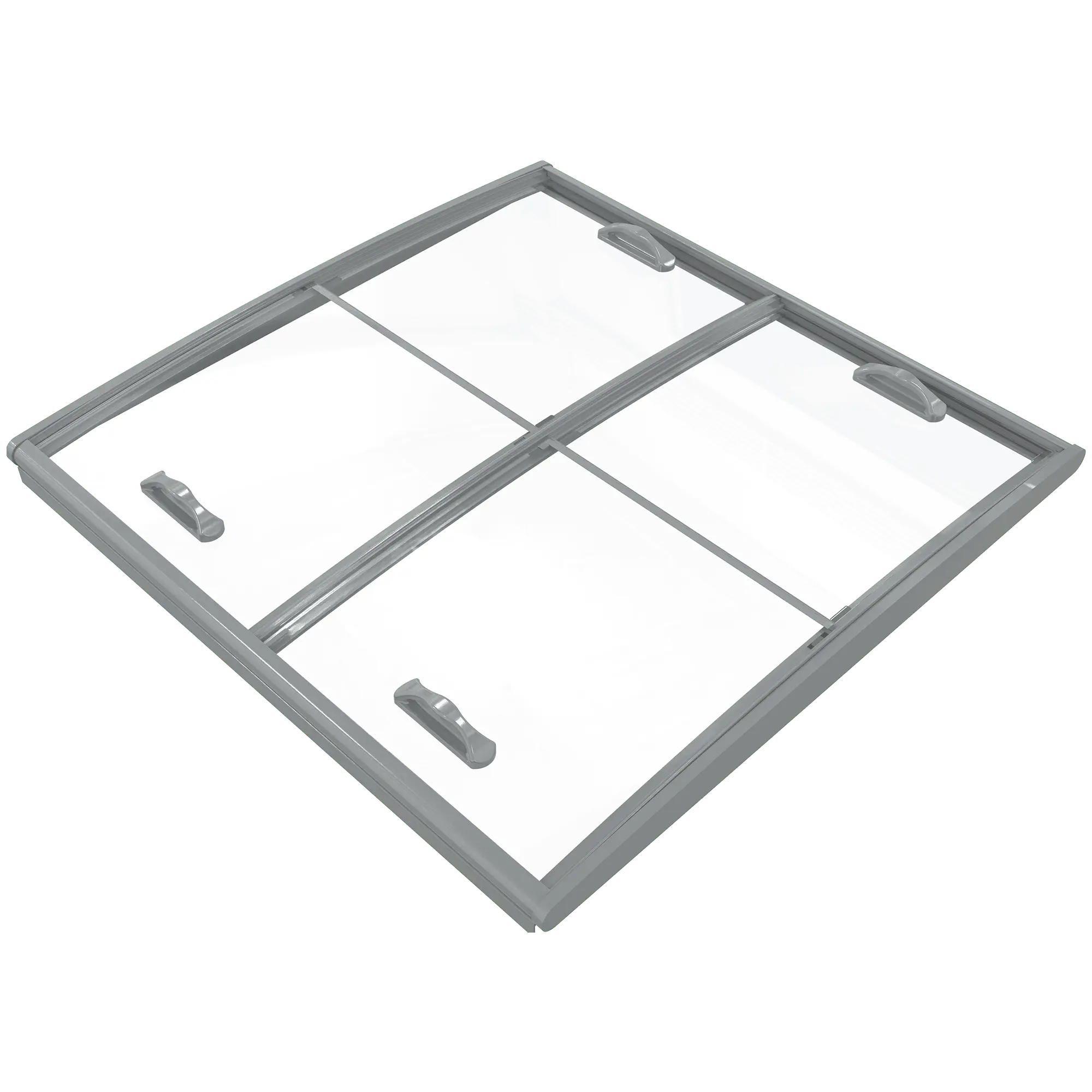
Businesses that sell frozen foods need refrigeration equipment that combines dependable temperature control with an effective product display. Supermarkets, convenience stores, grocery retailers, and food service businesses often manage a wide range of frozen products, from packaged meals and vegetables to desserts and ice cream. A well-designed commercial freezer glass door allows customers to view available products while helping staff maintain an organized frozen storage area.
Compared with solid-door alternatives, glass-door freezers provide clear visibility of stored merchandise. Customers can identify products before opening the door, while employees can check stock levels and arrange items more efficiently. For retailers, this combination of product visibility and practical storage can support a more convenient shopping experience and a professional presentation.
Why Glass-Door Commercial Freezers Matter
Frozen product displays need to balance accessibility with appropriate storage conditions. A glass-door freezer helps retailers showcase merchandise while keeping products inside an enclosed freezing environment. When products are arranged neatly, customers can compare available options more easily, and staff can identify gaps in the display during routine restocking.
These units can be useful in supermarkets, convenience stores, specialty food shops, and other commercial environments that sell frozen products. Depending on the design, they may accommodate packaged foods, frozen desserts, ready-to-cook meals, and other products suited to the freezer's operating specifications.
The correct choice depends on the product range, expected customer traffic, available floor space, and required storage temperatures. Retailers should evaluate these requirements before selecting a model to ensure the equipment fits their business operations.
Applications Across Retail and Food Service
Different businesses have different freezer requirements. A small convenience store may need a compact display unit for frequently purchased frozen items, while a supermarket may require greater capacity to showcase a broader selection. Food service businesses may also use commercial freezer equipment to organize packaged ingredients or selected frozen products.
Before purchasing, buyers should consider the quantity of merchandise they plan to display, the dimensions of product packaging, and the frequency of restocking. Shelf configuration and interior layout can affect how much usable space is available and how easily staff can arrange products.
The freezer's location is equally important. Retailers should allow sufficient space for door operation, customer movement, restocking, and the ventilation clearances specified by the manufacturer. Good placement helps maintain an organized sales floor and supports convenient access.
Important Features to Compare
Selecting a commercial freezer requires attention to more than its appearance. Buyers should review usable capacity, temperature range, insulation, door construction, shelving, lighting, and the manufacturer's stated operating conditions. These details help determine whether a unit is suitable for the intended product categories and retail environment.
Glass-door construction should provide suitable visibility while meeting the requirements of commercial freezer operation. Buyers should also examine door seals and closing mechanisms because poorly maintained seals can allow warm air to enter and place additional demands on the refrigeration system.
Energy consumption is another important consideration. Commercial freezers may operate for extended periods, making operating efficiency relevant to long-term costs. Appropriate installation, suitable ventilation, correct temperature settings, and routine maintenance can all contribute to effective performance.
Retailers should also ask about warranty terms, service availability, replacement parts, and cleaning procedures. Reviewing these details before purchasing can help businesses compare options more confidently and plan for long-term equipment ownership.
Maintaining Performance and Product Quality
Regular care helps commercial freezer equipment remain in suitable working condition. Staff should monitor internal temperatures, inspect door seals, and check for visible damage or unusual operating behavior. Cleaning should follow the manufacturer's instructions, using products appropriate for the equipment's surfaces.
Product arrangement also matters. Overloading shelves or blocking designated airflow paths may affect cooling performance. Retailers should follow the manufacturer's loading recommendations and organize products so staff can replenish stock without unnecessarily disrupting the display.
Doors should remain closed when products are not being accessed, and any persistent temperature fluctuations should be investigated promptly. Businesses handling frozen food should follow applicable food safety procedures for storage, temperature monitoring, and responding to equipment problems.
Scheduled professional servicing can help identify maintenance issues and support dependable operation. Combining regular inspections with staff training creates a more consistent approach to freezer management.
Choose a Freezer That Supports Your Business
The right commercial freezer should match a retailer's product range, display requirements, available space, and operating budget. Comparing specifications carefully helps businesses avoid selecting equipment that is too small, unsuitable for their temperature requirements, or difficult to maintain.
Businesses exploring commercial refrigeration options can review the products available from SHHAG and assess which configurations suit their needs. Choosing a suitable commercial freezer glass door can help retailers combine visible product presentation with organized frozen storage when supported by correct installation and regular maintenance.
With thoughtful equipment selection and consistent operating practices, businesses can create a more accessible frozen food display, simplify routine stock management, and provide customers with a convenient shopping experience.
 Turkish
 English
 Arabic
 French
 Spanish
 Portuguese
 Deutsch
 Dutch
 Italiano
 Russian
 Romaian
 Portuguese (Brazil)
 Greek