
Understanding Why Your Pool Water Turns Milky and How to Fix It
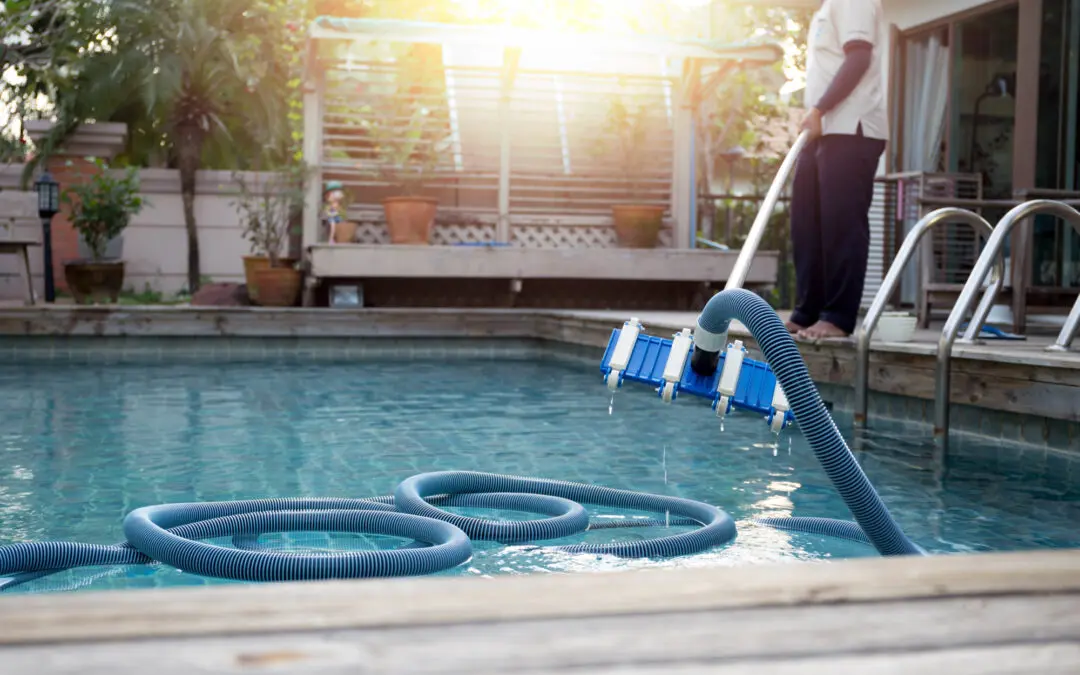
A swimming pool should have clear, inviting water that allows homeowners to enjoy swimming with confidence. However, pool water can sometimes develop a cloudy, whitish appearance that makes it look dull or milky. This change can happen suddenly or develop gradually as water chemistry shifts, filtration becomes less effective, or fine particles accumulate. Understanding the underlying cause of milky pool water is essential because the right solution depends on what is happening inside the pool.
Although cloudy water may seem like a minor appearance issue, it can indicate a problem with sanitation, circulation, or chemical balance. Adding more chlorine or other chemicals without testing the water may not solve the problem and could create additional complications. Homeowners should begin by checking the water chemistry and inspecting the filtration system before choosing a treatment. With a systematic approach, many common causes can be identified and addressed before they become more expensive maintenance problems.
What Causes Milky Pool Water?
These particles may include dust, debris, dead algae, mineral deposits, or other contaminants that the filtration system has not removed effectively. Milky pool water usually develops when tiny particles remain suspended in the water and scatter light, creating a cloudy or opaque appearance. Chemical imbalances can also contribute to cloudiness by encouraging mineral precipitation or reducing the effectiveness of pool sanitation. Because several issues can produce similar symptoms, testing and inspection are more reliable than guessing.
One common cause is inadequate filtration. A dirty filter, restricted circulation, insufficient pump operation, or damaged filter components can prevent fine particles from being removed efficiently. After heavy swimming, a storm, or a period of neglected maintenance, the filtration system may struggle to handle the increased load. If the water remains cloudy despite normal-looking chemical readings, examining the filter and circulation system is an important next step.
Water chemistry is another possible cause. High pH, elevated calcium hardness, or excessive total alkalinity can contribute to mineral deposits and cloudy water under certain conditions. Low sanitizer levels may also allow algae and other contaminants to accumulate. In some cases, milky water can result from a damaged diatomaceous earth filter that allows filter media to enter the pool. Identifying the actual cause helps prevent unnecessary chemical additions and makes treatment more effective.
How to Identify the Main Problem Before Treating Your Pool
Before adding chemicals, test the pool water with a reliable test kit or take a sample to a qualified pool professional. Check free chlorine, pH, total alkalinity, and calcium hardness, then compare the readings with the recommendations for your pool system. Also inspect the water for signs of algae, unusual discoloration, or visible mineral deposits. These checks help narrow down the likely cause and prevent treatments that may worsen the condition.
Next, examine the filtration system. Check whether the pump is operating normally, the skimmer and pump baskets are clear, and the filter pressure is within the manufacturer's recommended range. A sudden pressure change, reduced water flow, or visible filter damage may indicate that maintenance or repair is necessary. If the filter appears to be releasing particles into the pool, have the equipment inspected before attempting repeated chemical treatments.
Pay attention to how the cloudiness developed. Water that becomes milky after adding chemicals may indicate a chemical incompatibility or mineral precipitation, while cloudiness following heavy swimming may reflect increased contaminant levels. Greenish or dull water can suggest algae, especially when sanitizer levels are inadequate. These clues are useful, but they should be combined with water testing and equipment inspection to establish the most appropriate solution.
How to Increase Alkalinity in Pool Water Correctly
Total alkalinity helps stabilize pH and reduces sudden changes when chemicals or contaminants enter the water. If alkalinity is too low, pH may fluctuate more easily, making water balance harder to maintain. Homeowners researching how to increase alkalinity in pool water should first test the total alkalinity rather than automatically adding an alkalinity-raising product. Increasing alkalinity unnecessarily can contribute to difficult pH management and, under certain conditions, cloudy water.
Sodium bicarbonate, commonly sold as pool alkalinity increaser, is frequently used to raise total alkalinity. The amount needed depends on the pool's water volume, the current test result, and the target recommended for the particular pool system. Many residential pool guides use a range around 80–120 parts per million as a starting point, although the appropriate target can vary with the sanitizer system and other water chemistry factors. Follow the product label and the manufacturer's instructions rather than relying on a general dosage.
Add the product carefully according to its label, allowing the recommended circulation time before testing the water again. Avoid adding multiple chemicals simultaneously unless the product instructions specifically permit the procedure. Pool chemicals can react dangerously when mixed directly, so store and handle them separately and use appropriate protective equipment. Remember that increasing alkalinity is only appropriate when testing confirms it is too low; it is not a universal solution for milky pool water.
Practical Steps to Clear Milky Pool Water
Once you have identified the likely cause, correct the problem in a controlled sequence. Start by removing leaves and other visible debris, emptying the baskets, and brushing pool walls and steps. Test the water and correct any chemical imbalances according to the results. If sanitizer levels are too low, follow the appropriate treatment instructions for your pool system and verify the readings before allowing swimming to resume.
Next, make sure the filtration system is working properly. Clean or backwash the filter when indicated by its type, pressure readings, and manufacturer's guidance. Run the pump for the recommended period so the filter can remove suspended particles. Some pools clear within a day or two after the underlying issue is corrected, but the time required varies with the severity of the cloudiness, the filtration system, and the type of contaminants involved.
A pool clarifier may help some filters capture fine suspended particles, but it should only be used when appropriate for the system and according to the product label. Excessive or incompatible treatments can make cloudiness worse. If the water remains milky, the filter appears to be leaking media, or chemical readings are difficult to correct, consult an experienced pool technician. Avoid swimming while the water is cloudy enough to prevent a clear view of the pool floor, or when sanitizer levels and water safety have not been confirmed.
Preventing Cloudy Water Through Regular Pool Maintenance
Preventive maintenance is usually easier than restoring a pool after severe cloudiness develops. Test sanitizer levels and pH regularly, with more frequent checks during hot weather, heavy swimming, or periods of changing conditions. Remove floating debris, brush pool surfaces, and keep skimmer baskets clear. A consistent routine helps reduce the buildup of contaminants and makes it easier to notice unusual changes before they become persistent problems.
Filter maintenance is equally important. Follow the recommended cleaning schedule for your cartridge, sand, or diatomaceous earth filter, and monitor pressure and circulation. Avoid cleaning a filter more often than necessary, since the correct schedule depends on its design and operating conditions. If water repeatedly becomes cloudy shortly after filter maintenance, investigate possible equipment damage, incorrect assembly, or other circulation problems.
Maintaining appropriate water balance also helps protect pool surfaces and equipment. Test total alkalinity and calcium hardness alongside pH and sanitizer levels, and make adjustments based on measured results. Keep a simple record of test readings, treatments, and maintenance dates to identify recurring patterns. These records can help a pool professional diagnose repeated cloudiness more efficiently and recommend a targeted solution instead of unnecessary chemical additions.
When to Call a Professional Pool Service
Some cases of milky pool water are difficult to diagnose without specialized equipment or experience. If the water remains cloudy after appropriate cleaning, filtration, and chemical adjustments, a professional can conduct a more detailed assessment. This is especially useful when mineral deposits repeatedly form, the filter appears to release particles, or the pool's chemistry changes unexpectedly. Persistent cloudiness may indicate an underlying equipment issue that routine cleaning alone cannot resolve.
A qualified technician can assess water chemistry, inspect filtration components, and determine whether the problem is related to mineral precipitation, algae, inadequate circulation, or damaged equipment. Ask for an explanation of the test results and a clear estimate before approving additional treatments or repairs. A professional should be able to explain why a particular solution is appropriate and what steps may prevent the problem from returning.
Prompt professional attention is particularly valuable when you cannot maintain suitable sanitizer levels or identify the cause of the cloudiness. Pool safety depends on effective sanitation as well as visual clarity, and neither should be assumed from appearance alone. If the water is persistently cloudy or the equipment is malfunctioning, keep swimmers out until the problem has been corrected and the pool is safe to use.
Keep Your Pool Clear With the Right Maintenance Approach
Milky pool water is a symptom rather than a single problem, so the most effective solution begins with accurate testing and careful inspection. Poor filtration, low sanitizer levels, elevated pH, high calcium hardness, and other chemical imbalances can all contribute to cloudiness. Addressing the actual cause helps avoid wasted chemicals, unnecessary expenses, and repeated maintenance problems.
Understanding how to increase alkalinity in pool water is useful when testing confirms that total alkalinity is too low. However, adding an alkalinity increaser will not correct every cause of cloudy water and may be counterproductive when alkalinity is already elevated. A balanced approach that combines water testing, appropriate chemical adjustments, and proper filtration offers a more reliable path to restoring clarity.
Ultimately, consistent maintenance is the best way to reduce the likelihood of recurring cloudiness. By monitoring water chemistry, maintaining filtration equipment, removing debris, and seeking professional help when necessary, homeowners can keep their pools in better condition throughout the swimming season. Taking a measured approach protects your pool investment and helps create a cleaner, more inviting swimming environment.
 English
 Arabic
 French
 Spanish
 Portuguese
 Deutsch
 Turkish
 Dutch
 Italiano
 Russian
 Romaian
 Portuguese (Brazil)
 Greek