
How Clothing Details Influence the Way We Perceive Fashion
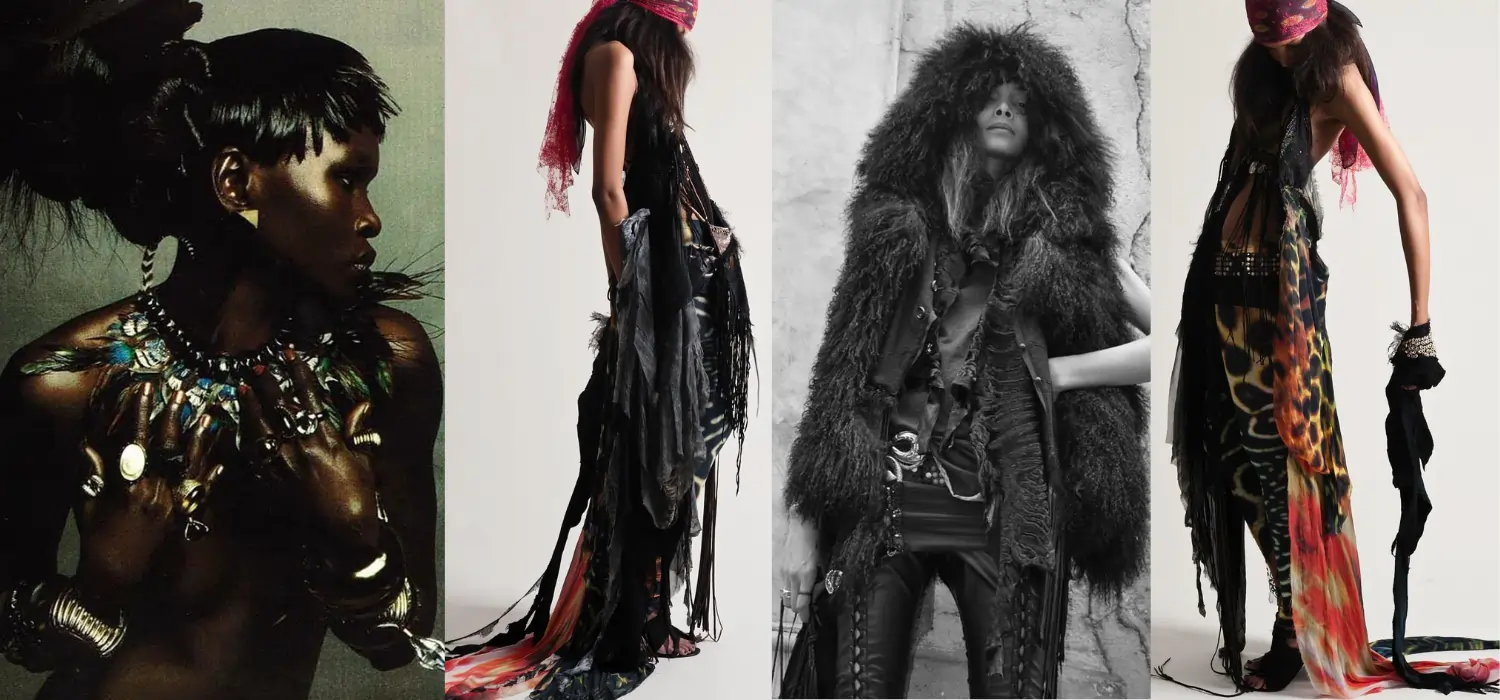
Clothing can communicate a great deal before a person says a word. The shape of a jacket, the finish of a fabric and even the placement of a button can influence how an outfit is perceived. These details may seem small, but together they give clothing its character.
Fashion designers use these elements to create different moods and visual identities. Some garments feel understated and practical, while others appear dramatic, artistic or unconventional. Understanding how these details work can help shoppers make better choices and develop a stronger sense of personal style.
The Visual Language of Clothing
Every garment has visual features that influence its overall appearance. Colour attracts attention, shape creates structure and texture adds depth. When these elements work together, they give an outfit a recognisable identity.
For example, a sharply tailored jacket often creates a more structured appearance than a loose, flowing coat. Similarly, a garment with distressed fabric can feel more relaxed than one with a smooth, polished finish.
Neither approach is automatically better. The effect depends on the occasion, the design and the person wearing it.
When choosing clothes, consider what you want an outfit to communicate. Clean lines may suit a simple everyday look, while unusual cuts and contrasting materials can appeal to people who prefer experimental fashion.
Why Small Design Details Matter
A garment does not need an elaborate pattern to stand out. Sometimes, its appeal comes from a subtle feature that changes the overall shape or finish.
An asymmetrical hem, an unusual collar or an unexpected pocket placement can make a familiar design feel different. Decorative stitching and distinctive fastenings can also influence the character of a jacket or shirt.
Fashion enthusiasts exploring independent and alternative labels, including i6w9, may find inspiration in distinctive approaches to garment design and personal expression.
The useful lesson is to look beyond a garment's general appearance. Notice how the details contribute to its shape, how the material responds to movement and whether the design feels balanced.
Understanding the Relationship Between Fabric and Shape
Fabric plays an important role in how clothing looks and feels. Some materials hold their shape, while others fall more softly around the body.
A structured fabric can give a jacket a defined outline. In contrast, a lighter material may create more movement and a relaxed appearance. Denim often provides a firmer shape, while lightweight cotton can feel softer and more casual.
These differences become especially noticeable when garments have unusual cuts. An oversized shirt made from a stiff material may create a boxier silhouette, whereas a softer version can hang more naturally.
When shopping, consider both the design and the material. A garment's shape may look appealing, but the fabric determines how it behaves during everyday wear.
How Colour Changes the Impression of an Outfit
Colour influences the way different garments work together. Neutral shades such as black, grey, cream and brown can create a restrained appearance, while stronger colours draw more attention.
However, the relationship between colours matters as much as the individual shades. Two contrasting colours can create a striking effect, while several similar tones may produce a more subtle result.
You can experiment without making an outfit complicated. Start with a neutral base and introduce one contrasting colour through a shirt, jacket or accessory.
Texture can also create interest when the colour palette remains simple. A combination of smooth leather, faded denim and soft cotton may look distinctive even when every item belongs to the same colour family.
Balancing Creative Design with Everyday Comfort
Fashion is not only about appearance. Clothing also needs to work in real situations, from travelling to work to spending time outdoors.
Unusual cuts and oversized shapes can look interesting, but comfort should remain a priority. Check that sleeves allow movement, waistbands sit comfortably and jackets provide enough room for the layers you intend to wear.
Think about maintenance as well. Delicate fabrics and specialised finishes may require additional care, while everyday materials can be easier to manage.
Before buying a distinctive garment, consider how often you will wear it and whether it works with other items in your wardrobe. This helps you enjoy creative design without sacrificing practicality.
Developing a More Thoughtful Approach to Fashion
Looking closely at clothing details can change the way you shop. Instead of judging a garment only by its colour or trend appeal, you begin to notice construction, proportion, material and finishing.
These observations help you understand why certain designs appeal to you and how to combine them with other pieces. They can also encourage more thoughtful purchases because you have clearer reasons for choosing a garment.
Fashion offers room for both simplicity and experimentation. You can appreciate an unusual design without wearing it every day, just as you can make a basic outfit distinctive through careful choices.
Ultimately, personal style develops when you understand what makes clothing interesting to you. By paying attention to shape, fabric and small design details, you can make more confident choices and create outfits that reflect your individual taste.
 Dutch
 English
 Arabic
 French
 Spanish
 Portuguese
 Deutsch
 Turkish
 Italiano
 Russian
 Romaian
 Portuguese (Brazil)
 Greek