
Can Sleep Aids and Eye Drops Be Used Together? What Australians Should Know
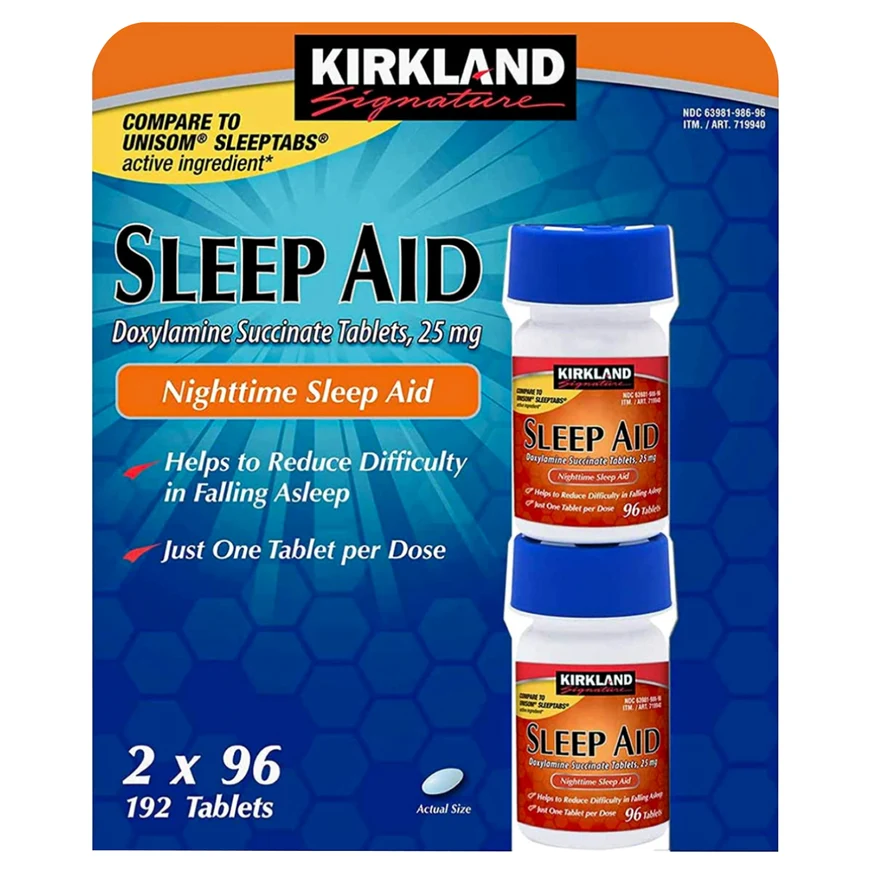
Using more than one medication is common, but different products can sometimes interact in unexpected ways. Even medicines used for unrelated purposes may affect the body through overlapping mechanisms.
For example, an oral sleep aid may cause drowsiness, while medicated eye drops may contain ingredients that act on blood vessels or other tissues.
People using products for occasional sleeplessness and eye redness may therefore wonder whether these medicines can safely be used together.
Consumers researching kirklands sleep aid alongside medicated eye products should examine the active ingredients and possible interactions before combining them.
The answer depends on the exact formulations, the individual's health conditions and any other medications being taken.
Why Can Medicines Used for Different Problems Interact?
A medicine does not necessarily affect only the body part it is intended to treat.
Oral medicines enter the bloodstream and may influence several organs or biological systems.
Some medicines applied to the eyes can also enter the body in small amounts.
Consequently, medication interactions cannot be ruled out simply because one product is swallowed and another is applied as eye drops.
Understanding Systemic and Local Effects
An oral sleep aid generally produces effects throughout the body.
An ophthalmic medicine is administered directly to the eye, but some of its active ingredient may still be absorbed beyond the eye.
The amount absorbed and its clinical significance depend on the medicine, dosage and individual circumstances.
What Is the Active Ingredient in Kirkland Sleep Aid?
Kirkland Night Aid is marketed as a product containing doxylamine succinate 25 mg.
Doxylamine is a sedating antihistamine.
How Doxylamine Affects the Body
Doxylamine blocks certain histamine receptors involved in wakefulness.
This can produce drowsiness and impaired alertness.
It also has anticholinergic effects that may cause dry mouth, blurred vision, constipation or difficulty urinating.
People considering a sleep aid by kirkland should understand these effects before using it with other medicines.
Important Eye-Related Precautions
Some sedating antihistamines may be unsuitable for people with certain forms of glaucoma.
Individuals with diagnosed eye-pressure problems should consult an ophthalmologist, doctor or pharmacist before taking doxylamine.
This is particularly important if they are already using prescription eye medications.
What Is the Active Ingredient in Lumify?
Lumify is marketed internationally as an eye-redness reliever containing brimonidine tartrate 0.025%.
Brimonidine acts on alpha-adrenergic receptors and can narrow certain blood vessels, temporarily reducing visible redness.
How Is Lumify Different From Lubricating Drops?
Artificial tears primarily help supplement the tear film.
Lumify is a medicated product intended to change the appearance of redness through its pharmacological action.
This distinction matters because medicated eye drops may have warnings and potential interactions that do not apply to ordinary lubricants.
Consumers looking for lumify eye drops australia should confirm the active ingredient and seek professional advice before combining the product with other medicines.
Can Doxylamine and Brimonidine Be Used Together?
There is no universal answer that establishes the combination as safe for every person.
Although topical brimonidine is primarily intended to act in the eye, some systemic absorption may occur.
Doxylamine can cause sedation and other anticholinergic effects.
Potential Concerns
Combining medications may require additional consideration for people who:
-
Experience dizziness or low blood pressure.
-
Take other sedating medicines.
-
Have glaucoma or another diagnosed eye condition.
-
Use prescription eye drops.
-
Have cardiovascular or neurological conditions.
-
Are older or particularly sensitive to medication side effects.
These factors do not necessarily mean the combination will cause harm, but they justify a professional medication review.
Does Using the Products at Different Times Eliminate Interactions?
Not necessarily.
Medication effects can persist after administration.
Taking a sleep aid at night and using eye drops during the day does not automatically eliminate the possibility of overlapping effects.
Why Timing Alone Is Not Enough
The body requires time to absorb, distribute and eliminate medicines.
For some people, a sedating antihistamine may continue to impair alertness the following morning.
A pharmacist should assess whether the medicines can be used together based on the specific products and individual circumstances.
Watch for Unusual Symptoms
People who have been advised to use both products should remain aware of potential adverse reactions.
Symptoms that deserve medical attention may include:
-
Significant dizziness or faintness.
-
Unexpected or excessive drowsiness.
-
Changes in vision.
-
Persistent eye irritation.
-
Unusual weakness or confusion.
-
Difficulty urinating.
Seek urgent medical care for severe eye pain, sudden vision loss, collapse or other serious symptoms.
Do not continue using a medicine that appears to be causing a serious reaction without obtaining appropriate medical advice.
How to Reduce Medication-Related Risks
Good medicine management begins with reviewing everything being used, not just the two products being considered.
Keep an Updated Medication List
Include prescription medicines, non-prescription products, herbal supplements and eye drops.
This allows a pharmacist or doctor to identify ingredients with overlapping effects.
Follow Product-Specific Instructions
Different products may have different requirements relating to age, dosage, administration and storage.
Do not exceed labelled directions or combine medicines simply because they are available without a prescription overseas.
Consider the Reason for Each Product
If sleeplessness occurs frequently, medical evaluation may be more useful than repeated sedating antihistamine use.
Likewise, persistent eye redness may indicate dryness, inflammation or another condition requiring specific care.
Australian healthdirect guidance cautions against routine use of sedating antihistamines for
Australian Purchasing and Regulatory Considerations
Consumers searching for kirklands sleep aid and imported eye products should verify whether each item is appropriately authorised for supply in Australia.
The Australian Therapeutic Goods Administration advises checking therapeutic goods information and purchasing medicines through trusted sources.
Products advertised online may not have undergone the same Australian regulatory assessment as locally authorised medicines.
Why Choose a Retailer With Clear Ingredient Information?
Accurate product descriptions are valuable when consumers compare medicines from different categories.
A responsible retailer should provide enough information for customers to identify ingredients, concentrations, pack sizes and relevant warnings.
For someone considering a sleep aid by kirkland alongside eye drops, access to the precise formulation makes it easier to seek informed professional advice.
Product information should support safe decision-making rather than encourage unnecessary medicine combinations.
About Us – Shopy Catch
Shopy Catch is an Australian online retail platform offering products across multiple consumer categories, including selected sleep-related and eye-care products.
Its catalogue includes Kirkland Night Aid and Lumify Redness Reliever Eye Drops, allowing customers to research the advertised product formulations and packaging.
Consumers exploring lumify eye drops australia alongside sleep medications should review the product information and consult an Australian pharmacist about suitability, interactions and regulatory status.
Conclusion
Sleep aids and medicated eye drops act on different parts of the body, but this does not mean interactions are impossible.
Doxylamine can cause sedation and anticholinergic effects, while brimonidine is a pharmacologically active eye medication.
Using these products together requires consideration of individual health conditions, other medicines and potential side effects.
 French
 English
 Arabic
 Spanish
 Portuguese
 Deutsch
 Turkish
 Dutch
 Italiano
 Russian
 Romaian
 Portuguese (Brazil)
 Greek