
Choosing a Food Label Printer for an Australian Business
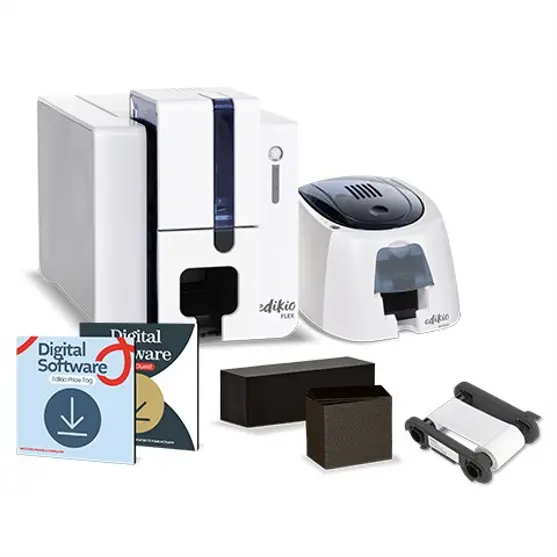
Food labelling requirements are not identical across Australian businesses.
A suburban bakery needs customers to distinguish between pastries and bread varieties. A butcher shop may display cut names, prices per kilogram and product origins. Meanwhile, a hotel buffet needs guests to identify dishes without repeatedly asking staff for assistance.
Although these businesses operate differently, they share one requirement: information displayed beside food must be clear, accurate and easy to maintain.
Selecting a Food Labels Printer involves understanding the products being displayed, the environment surrounding the labels and the frequency of information changes.
The most appropriate equipment is not necessarily the machine with the greatest number of features. It is the one that supports the business's everyday labelling responsibilities.
Different Food Businesses Need Different Label Designs
The first consideration is how customers interact with your products.
Food labels in a self-service buffet serve a different purpose from price tags inside a butcher's refrigerated display.
Understanding that difference helps determine the card format and design requirements.
Bakery and Patisserie Displays
Bakeries often display numerous products with similar appearances.
Labels can help distinguish between fillings, flavours, serving sizes and prices.
Smaller cards may be appropriate where counter space is limited. However, enough room must remain for readable text.
A consistent format can also help staff replace labels as products sell out or new batches become available.
Butchers, Delicatessens and Seafood Counters
These environments often require frequent updates to prices and product descriptions.
Moisture and refrigerated conditions can influence the choice of card materials and holders.
A plastic card printing system may be appropriate where businesses want reusable display formats and the ability to produce replacements internally.
Restaurants and Hotel Buffets
Buffet labels must often identify dishes quickly for guests.
Some displays may also benefit from clearly presented dietary or allergen information, provided those details are accurate and appropriately verified.
Cards should be positioned so customers can associate the information with the correct dish.
Match Printing Equipment to the Display Environment
The physical conditions surrounding a label are just as important as the information printed on it.
A product card placed behind a dry bakery counter faces different conditions from one used near chilled seafood.
A Plastic card Printer can produce consistent plastic display cards, but businesses must still choose suitable card stock and display accessories.
Consider the following environmental factors:
-
Exposure to refrigeration or temperature changes.
-
Moisture, splashes and condensation.
-
Frequency of handling and cleaning.
-
Available counter or shelf space.
-
Lighting and customer viewing angles.
-
Risk of labels coming into contact with unpackaged food.
Cards should be used according to the manufacturer's material guidance.
If labels may touch food directly, confirm the intended food-contact suitability of the complete setup.
Understand Australian Food Information Responsibilities
Food businesses must ensure that displayed information complies with applicable Australian requirements.
However, not every type of product requires exactly the same information in the same location.
Requirements can vary depending on whether food is packaged, unpackaged, made on the premises or offered through particular service arrangements.
Product Descriptions Must Be Accurate
A label should not misrepresent the food being offered.
Names, ingredient descriptions, origin claims and pricing information must reflect the actual product.
For instance, a business should not rely on an outdated recipe description after changing an ingredient.
Review displayed claims whenever recipes, suppliers or production processes change.
Allergen Information Requires Particular Care
Allergen information can affect a customer's health and purchasing decision.
Treat Allergen Updates as a Verification Process
Before displaying an allergen statement, check the relevant recipe, ingredient specifications and supplier information.
Staff should understand that a printed card is only as reliable as the information used to create it.
Where required information must be provided through another approved method, printing an attractive display card does not replace that obligation.
Businesses should refer to current Food Standards Australia New Zealand requirements and applicable local guidance when establishing their labelling procedures.
Evaluate the Time Required for Everyday Updates
A printer's usefulness becomes clear during normal operations.
Imagine a café that changes several menu items each morning.
If every label requires a complicated design process, staff may postpone updates or use temporary handwritten signs.
A more efficient system allows employees to open an existing design, revise the relevant information and print a replacement.
When comparing card printers australia, look beyond the machine itself and assess the complete workflow.
Questions to Ask During a Demonstration
A practical demonstration should show how easily staff can:
-
Locate a previously saved label.
-
Change a product name or price.
-
Preserve consistent formatting.
-
Preview the design before printing.
-
Produce replacement cards.
-
Correct mistakes without rebuilding the template.
The fewer unnecessary steps involved, the easier the system may be to incorporate into daily operations.
Balance Print Quality With Practical Readability
Highly detailed graphics do not automatically produce effective food labels.
Customers usually want to know what the product is, how much it costs and whether any important information applies.
A good label places those details above decorative elements.
Test printed cards from the customer's normal viewing position rather than judging them only at close range.
Consider contrast, font size and whether display lighting creates reflections.
If information becomes difficult to read, simplifying the design may be more effective than adding further graphics.
Why Choose Us for Food Display Card Printing?
Edikio Australia offers printing solutions specifically relevant to food presentation and plastic price tags.
This product focus makes the range worth considering for businesses that need cards for bakery counters, delicatessens, hospitality displays and similar applications.
Buyers can examine printing equipment alongside design software and compatible card supplies.
A business considering a Food Labels Printer can therefore evaluate the practical elements required to establish an in-house labelling process.
About Us
Edikio Australia provides plastic card printing solutions aimed at creating product price tags and display labels.
Its product range is relevant to Australian businesses seeking consistent printed presentation across retail and hospitality environments.
The available options allow businesses to explore different approaches to card production according to display size, information requirements and expected printing frequency.
Conclusion
The most suitable food label printer depends on the products being sold and the environment in which information will appear.
Australian businesses should assess label content, card materials, design software and the reliability of their information-update procedures.
A thoughtful selection process can improve display consistency while making routine changes easier for staff.
Ultimately, accurate information and practical usability matter more than decorative printing features.

 English
 Arabic
 French
 Spanish
 Portuguese
 Deutsch
 Turkish
 Dutch
 Italiano
 Russian
 Romaian
 Portuguese (Brazil)
 Greek