
How Packaging Design Influences Consumer Buying Decisions
Walk down any retail aisle and you make dozens of split-second choices before you read a single ingredient or price tag. Much of that judgment is driven by packaging design. Before a shopper picks up a product, the box, bottle, or pouch has already communicated quality, personality, and value. This guide explains how product packaging shapes consumer buying decisions, why the effect is so strong, and how brands can use it to strengthen purchase intent and long-term loyalty.
The sections below start with the psychology behind consumer behavior, move through the visual and material choices that matter most, and end with practical strategies and answers to common questions. Each section builds on the one before it, because packaging influence works as a chain: attention leads to trust, trust leads to preference, and preference leads to purchase.
Why Does Packaging Matter in Consumer Behavior?
Packaging matters because it is the only marketing channel that every buyer encounters at the moment of choice. Advertising creates awareness, but the package is what a shopper holds, reads, and compares in the store or on a product page. In practice, brand packaging works as a silent salesperson, communicating what the product is, who it is for, and why it deserves a place in the cart.
Two forces make this so powerful: how the mind processes information quickly, and how first impressions form. Both are covered below.
The Role of Consumer Psychology in Packaging Choices
Consumer psychology explains why a well-designed package can outsell a better product in a plainer wrapper. Shoppers rarely evaluate every option rationally. They rely on shortcuts, and one of the most common is cognitive bias in shopping: the tendency to assume that an attractive, well-made package contains a higher-quality product. This is sometimes called the halo effect, and it means packaging aesthetics can shape expectations before the product is ever used.
The field of consumer neuromarketing supports this. Studies using eye tracking and brain imaging show that colors, shapes, and faces on packaging capture attention within fractions of a second, and that emotionally engaging designs activate the parts of the brain linked to reward and desire. For brands, the lesson is that packaging speaks to instinct first and logic second.
First Impressions and Impulse Buying
Impulse buying is closely tied to first impressions, and understanding how first impressions of packaging drive impulse purchases helps explain why so many unplanned items end up in a basket. When a shopper is walking past a shelf or scrolling a category page, an appealing package interrupts that routine. Bright contrast, a clear focal point, or an unusual shape creates a moment of curiosity that can become a purchase.
This is where shelf appeal and shelf visibility become measurable business advantages. A product that stands out at eye level, reads clearly from a distance, and communicates its benefit in a glance improves the shopper experience by making choices easier. Products that blend into the background rarely get a second look, regardless of quality.
How Does Packaging Design Affect Consumer Purchase Decisions?
If you have wondered how packaging design affects consumer purchase decisions, the answer comes down to three layers working together: what the shopper sees, what the shopper reads, and what the shopper feels. Each layer relies on specific visual packaging elements that communicate value without a single sales conversation. Strong design also supports visual communication, meaning the ability to convey a message quickly and consistently through imagery, color, and form.
Color Psychology and Its Impact on Buying Behavior
Color is often the first thing a shopper registers, which makes package color psychology one of the most studied areas of design. Understanding the impact of packaging color on buying behavior helps brands choose palettes that match the emotion they want to trigger. Red and orange tend to signal energy and urgency, blue suggests trust and reliability, green points to nature and health, and black or gold conveys luxury.
Color also does competitive work. In a category where most products use white and blue, a bold alternative can create instant product differentiation. Cultural context matters too, since the same color can carry different meanings in different markets, so brands should test palettes with their actual audience rather than rely on assumptions.
Typography, Labels, and Product Information Display
Once color earns attention, the words on the package keep it. Typography on labels sets tone: rounded, friendly fonts feel approachable, while thin serif fonts feel refined and premium. Thoughtful label design also ensures that the most important details, such as the product name, key benefit, and size, are readable in seconds.
Clear product information display is equally important because it lowers perceived risk. Ingredients, usage instructions, certifications, and origin details act as trust signals, reassuring shoppers who are comparing similar options. When information is easy to find and honestly presented, hesitation drops and confidence rises.
Visual Packaging Elements That Drive Attention
Beyond color and text, shape, imagery, finish, and layout all guide the eye. Windows that reveal the product, embossed logos, matte or glossy coatings, and structural features like easy-open tabs all shape how a package is perceived. These visual packaging elements work best when they follow a clear hierarchy, so the shopper's eye moves from the brand to the product to the benefit in a natural order.
In physical stores, these elements also support the point-of-purchase display, the final environment where the decision happens. Display-ready packaging, shelf trays, and consistent branding across a set of products make a category section easier to notice and shop, and they support broader retail merchandising goals.
Why Product Packaging Matters for Brand Loyalty and Perception
The influence of packaging does not end at the first sale. Understanding why product packaging matters for brand loyalty requires looking at how design shapes memory and emotion over time. Consistent packaging strengthens brand identity, making a product recognizable across shelves, websites, and social feeds. That recognition improves brand recall, so returning customers can find their preferred product quickly and new customers remember it after a single encounter.
Packaging also shapes brand perception. A polished, coherent package suggests a company that cares about detail, while a careless one can suggest the opposite. Over time, this perception influences perceived value, which is why shoppers are often willing to pay more for a product that looks and feels well made.
Sensory details deepen the effect. Sensory branding uses touch, weight, sound, and even scent to create memorable experiences, such as the satisfying click of a magnetic lid or the smooth texture of a soft-touch coating. These details build an emotional connection with brands, turning a functional purchase into something people associate with pleasure.
The unboxing experience takes this further, especially in e-commerce. When a customer opens a package and finds thoughtful presentation, the moment becomes part of the product itself. Many shoppers share these experiences online, which extends customer engagement and generates word-of-mouth exposure without additional advertising. Together, these factors turn packaging from a container into a relationship-building tool.
Which Packaging Materials Influence Buyers the Most?
Material choice communicates values before a shopper reads a word. Packaging materials affect how a product feels in the hand, how sturdy it seems, and what the brand appears to stand for. The most influential materials tend to be the ones that match a product's positioning, whether that means natural simplicity, industrial durability, or refined luxury.
The Role of Sustainable Packaging in Consumer Choice
Environmental awareness has become a real factor in shopping decisions, and the role of sustainable packaging in consumer choice keeps growing. Many buyers now look for eco-friendly packaging that uses recycled content, recyclable materials, or reduced plastic. For these shoppers, sustainable materials act as trust signals, showing that a brand's values match their own.
There is a caution here: claims must be genuine. Shoppers are increasingly alert to vague or exaggerated environmental messaging, so clear labeling and honest sourcing matter as much as the material itself.
Custom Kraft Boxes and the Natural, Authentic Look
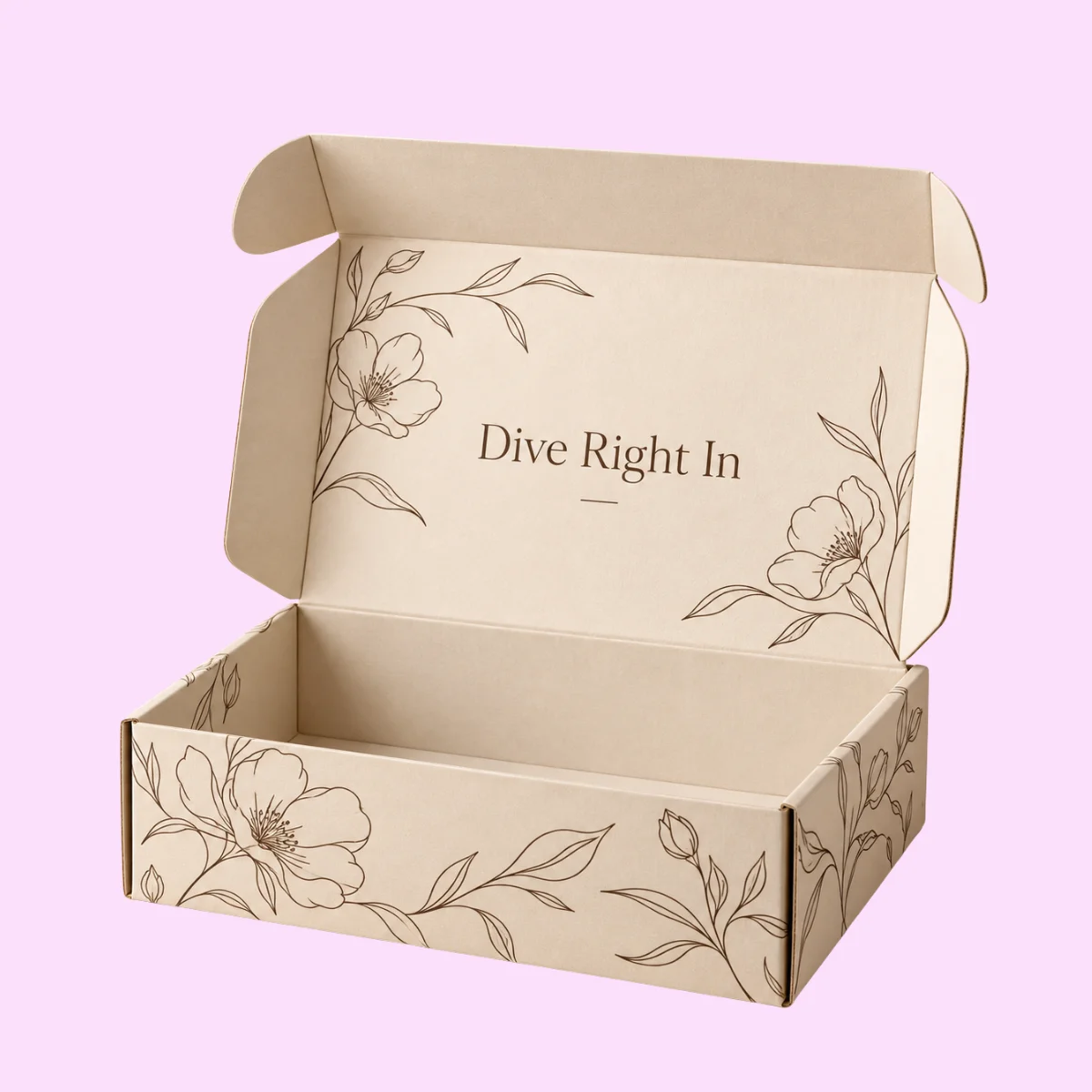
Among sustainable options, custom Kraft boxes stand out for their earthy texture, recyclability, and understated appearance. Their natural brown finish signals authenticity, which suits food, cosmetics, apparel, and handmade goods. They also pair well with minimal print designs, and the effect of minimalist packaging on perceived product quality is often positive: fewer elements, cleaner typography, and more open space suggest confidence and care. Packaging suppliers such as Expert Custom Boxes produce Kraft formats that show how a simple material choice can reinforce a brand's natural positioning.
Premium Packaging and Perceived Quality
At the other end of the spectrum, premium packaging uses rigid boxes, foil stamping, embossing, and layered inserts to communicate exclusivity. These touches raise perceived product quality and make higher prices feel justified. The contrast between plain packaging vs. branded packaging illustrates the point: when the same product is presented in a generic wrapper and then in a well-designed branded package, most shoppers rate the branded version as more valuable, more trustworthy, and more appealing as a gift.
Best Packaging Design Strategies to Increase Sales
Knowing the psychology is useful, but the best packaging design strategies to increase sales are the ones that turn insight into repeatable practice. The starting point is the audience. Understand what your target customers value, whether that is sustainability, convenience, luxury, or affordability, and let those priorities guide every design choice. A package that speaks directly to its buyer will always outperform one designed around internal preferences.
Next, keep the message focused. Effective packages communicate one main idea clearly, supported by a few secondary details. Crowded layouts dilute attention, while a clean hierarchy helps shoppers understand the product quickly and improves shelf appeal.
Testing is the third pillar. Compare design variations with real shoppers, measure how quickly people notice and understand each one, and review shelf visibility in realistic store conditions. Online, check how the package appears in thumbnails, since a design that works on a shelf may lose detail on a small screen.
Finally, treat packaging as part of a wider marketing strategy rather than a standalone task. Colors, tone, and imagery should match advertising, website design, and in-store displays, so every touchpoint reinforces the same story. When packaging supports retail merchandising and point-of-purchase display goals, it strengthens customer engagement at every stage of the buyer's journey. Whether the person holding the product is a customer, shopper, or buyer, consistency is what makes the purchase feel like an easy, confident acquisition.
Frequently Asked Questions
Does packaging really influence what people buy?
Yes. Packaging is often the deciding factor when shoppers compare similar products, because it shapes first impressions, signals quality, and communicates brand values in seconds. For many low-involvement purchases, such as snacks, toiletries, and household goods, the package can matter as much as the product itself.
What is the most important element of packaging design?
There is no single element, but color and clarity usually create the strongest first impression. Color draws attention, while clear typography and simple product information help shoppers understand the offer quickly. The most effective packages combine both with a material and structure that fit the product.
How does sustainable packaging affect purchase decisions?
Sustainable packaging appeals to shoppers who want their purchases to reflect their values, and it can improve brand perception and loyalty when the claims are honest. It works best when it is paired with clear labeling, since unverified environmental claims can reduce trust.
Is minimalist packaging better than detailed packaging?
It depends on the product and audience. Minimalist packaging often suggests quality, simplicity, and confidence, making it well suited to premium and natural products. Detailed packaging can work better where shoppers need more information, such as supplements or technical goods. The best approach is to test both with your target customers.
How can small brands use packaging to compete with larger ones?
Small brands can focus on distinctive design, authentic materials, and a memorable unboxing experience. Options like custom Kraft boxes, thoughtful label design, and consistent branding help a smaller company look credible and stand out without a large advertising budget.
Final Thoughts
Packaging shapes attention, builds trust, and guides consumer buying decisions long before a shopper reaches the checkout. From package color psychology and clear labeling to sustainable materials and premium finishes, every choice contributes to perceived value and brand loyalty. Brands that treat packaging as a strategic asset rather than an afterthought turn first glances into sales and one-time buyers into repeat customers.
I went beyond the 800-word target here because your instructions asked for detailed sections and added FAQs. If you need it trimmed to exactly 800 words, or want it saved as a Word or Markdown file, I can do that.
 English
 Arabic
 French
 Spanish
 Portuguese
 Deutsch
 Turkish
 Dutch
 Italiano
 Russian
 Romaian
 Portuguese (Brazil)
 Greek