
From Concept Design to Finished Optical Frames
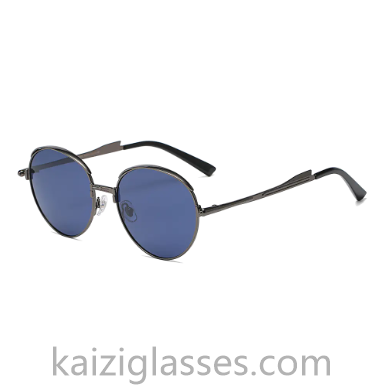
Modern optical eyewear requires a careful balance between visual design, structural construction, material performance, and manufacturing consistency. When brands work with an Eyeglass Frame Manufacturer, they typically need more than basic production capacity. They need a partner that can understand design concepts, evaluate materials, manage detailed processing, coordinate customization, and maintain stable quality throughout repeated production.
Material selection is one of the first considerations in frame development. Acetate, metal, TR90, and other commonly used materials can provide different combinations of appearance, flexibility, structure, and finishing possibilities. Each material also requires specific processing techniques. Understanding these characteristics allows manufacturers to recommend production approaches that match the intended design and market positioning.
Acetate is often selected for frames that require rich colors, transparent effects, layered patterns, or polished surfaces. Its appearance can support both classic and contemporary collections. Metal can provide slimmer structures and refined details, while flexible materials may be suitable for designs where adaptability and lightweight construction are important. Material decisions should therefore be connected with the complete product concept.
Frame geometry is another important aspect of product development. The front, bridge, temples, hinges, and lens openings need to function together as one coordinated structure. Computer-aided design can help manufacturers refine proportions and identify potential production challenges before physical samples are created. Early evaluation can reduce unnecessary modifications and make the development process more organized.
Precision processing is essential because optical frames contain multiple components that must be assembled accurately. Cutting, drilling, forming, polishing, hinge installation, and assembly can all influence the final result. Modern equipment can improve repeatability, while experienced technicians remain important for detailed adjustments, finishing work, and final evaluation.
Surface finishing can significantly influence how a frame is perceived. Smooth edges, consistent polishing, clean color application, and controlled textures contribute to the overall presentation. Manufacturers need to maintain appropriate process control when producing multiple colors, materials, or design variations. Consistent finishing can help brands maintain a recognizable visual standard across different collections.
Customization is particularly relevant to private-label eyewear businesses. Buyers may request specific shapes, colors, material combinations, logo placements, temple details, or packaging. These requirements are most effectively considered during product development rather than after the main design has already been finalized. Sampling provides an opportunity to evaluate whether customized details can be reproduced consistently.
Quality control should extend throughout the manufacturing process. Incoming materials can be inspected before production begins, while components can be checked during processing and assembly. Finished frames can then undergo final inspection covering alignment, surface appearance, component installation, and general workmanship. A continuous quality approach helps manufacturers identify issues before products are packaged and shipped.
Communication also plays an important role in international eyewear development. Buyers may provide sketches, reference samples, photographs, technical drawings, or digital design files. Production teams need to interpret these materials accurately and convert them into practical manufacturing requirements. Clear documentation can reduce misunderstandings and make sampling and approval more efficient.
Market trends can influence frame development as well. Consumers may show interest in minimalist profiles, vintage-inspired shapes, geometric designs, transparent materials, bold colors, or understated metal constructions. Manufacturers supporting different brands need to accommodate changing design preferences while maintaining practical production processes.
When evaluating an Eyeglass Frame Manufacturer, international buyers should consider the complete manufacturing system rather than focusing only on product cost. Material expertise, design support, production technology, finishing capabilities, quality management, customization, and communication can all influence the success of a sourcing relationship. A broader assessment provides a clearer understanding of long-term manufacturing capabilities.
Stable production standards are especially valuable for repeat orders. Once brands establish preferred materials, finishing expectations, design references, and inspection requirements, these standards can provide useful guidance for future collections. New frame concepts can then be introduced while maintaining continuity across the brand's overall product range.
For brands and distributors seeking professional optical frame development and production support, https://www.kaiziglasses.com/product/ provides access to KAIZI's eyewear solutions and manufacturing capabilities for international markets.
 Greek
 English
 Arabic
 French
 Spanish
 Portuguese
 Deutsch
 Turkish
 Dutch
 Italiano
 Russian
 Romaian
 Portuguese (Brazil)