
PRP Hair Treatment: A Modern Solution for Thinning Hair
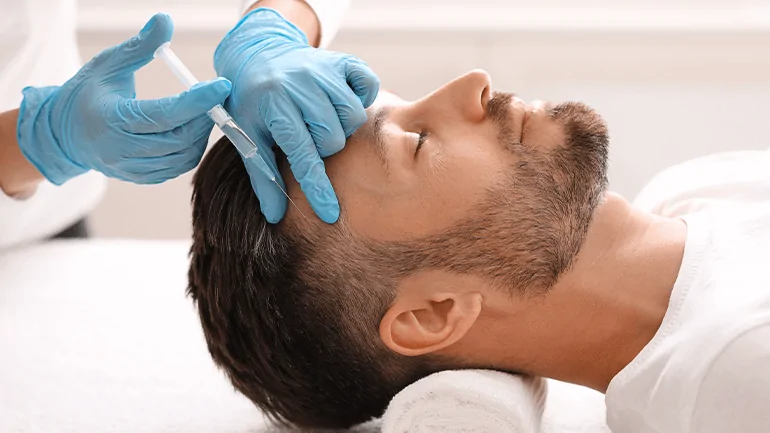
Hair thinning is a common concern that can affect both men and women at different stages of life. Changes in hormones, genetics, stress, nutritional deficiencies, aging, and certain medical conditions may contribute to gradual hair loss. As people look for options that do not involve traditional surgery, platelet-rich plasma therapy has gained attention as a modern approach to supporting hair growth. PRP hair treatment uses components from a person’s own blood and is designed to create a supportive environment for existing hair follicles.
Rather than simply covering areas of thinning, PRP therapy focuses on the scalp and follicles themselves. While individual results can vary, the treatment has become an option worth discussing with a qualified medical professional.
What Is PRP Hair Treatment?
Platelet-rich plasma, commonly called PRP, is prepared from a small sample of the patient’s blood. The blood is processed to concentrate platelets and growth-factor-rich plasma. The resulting preparation is then carefully introduced into selected areas of the scalp.
Platelets naturally play an important role in the body’s healing processes. They contain various growth factors and proteins involved in tissue repair and cellular activity. The concept behind PRP hair treatment is that these biological components may help create a healthier environment around weakened hair follicles.
Because the treatment generally uses the patient’s own blood, it is considered an autologous procedure. However, suitability depends on the individual’s health, type of hair loss, and overall scalp condition.
How Can PRP Support Thinning Hair?
Hair thinning often occurs when follicles gradually become weaker or produce finer strands. PRP therapy is intended to support the function of existing follicles rather than create entirely new follicles.
After PRP is introduced into areas experiencing thinning, growth factors may interact with surrounding tissues and potentially support follicular activity. Some patients may notice improvements in hair thickness, strength, or overall appearance over time.
It is important to understand that PRP is not a guaranteed cure for every type of hair loss. Its effectiveness may depend on the underlying cause, the stage of hair loss, treatment protocol, and individual response.
Why Is PRP Considered a Modern Hair Restoration Option?
One of the main reasons people consider PRP hair treatment is its minimally invasive nature. Unlike surgical hair transplantation, PRP does not require removing or relocating hair follicles from one part of the scalp to another.
The procedure is typically performed in a clinical setting and does not involve a lengthy surgical recovery. Patients can usually return to their normal routines relatively quickly, although temporary redness, tenderness, or swelling may occur after treatment.
Another advantage is the personalized nature of PRP. Since the preparation comes from the patient’s own blood, the treatment can be incorporated into a customized plan based on hair-loss patterns and scalp needs.
What Happens During a PRP Session?
A typical session begins with a consultation and examination of the scalp. A small amount of blood is then collected and processed to separate the platelet-rich portion.
The prepared PRP is subsequently administered into targeted areas of the scalp using multiple small injections. The number of injections and treatment areas depend on the patient’s individual condition.
The procedure itself is generally relatively short, although the total appointment time can vary. A healthcare provider may also recommend specific instructions before and after treatment to support scalp recovery.
When Can You Expect Results?
PRP does not usually produce immediate visible hair growth. Hair follicles operate according to natural growth cycles, so changes can take time to become noticeable.
Some individuals may observe gradual improvements in hair quality or reduced shedding before seeing more obvious changes in density. A series of treatments may be recommended rather than relying on a single session.
Follow-up treatments may also be suggested to maintain or enhance results. The appropriate schedule should be determined by a qualified professional after evaluating the patient’s response.
Factors That Can Affect Treatment Results
Several factors may influence the outcome of PRP hair treatment. These can include the cause and severity of hair loss, age, genetics, overall health, nutritional status, scalp condition, and the quality of the treatment protocol.
Patients with active scalp conditions or certain medical issues may require additional evaluation before treatment. Expectations are also important. PRP may be more appropriate for supporting existing follicles than for treating areas where follicles are no longer viable.
A thorough consultation can help determine whether PRP is suitable and what type of improvement may realistically be expected.
How Can You Support Your Hair After Treatment?
A healthy scalp-care routine can complement a professional hair restoration plan. Eating a balanced diet that provides adequate protein, vitamins, and minerals can help support normal hair growth. Gentle hair care, avoiding excessive heat, and protecting the scalp from unnecessary irritation may also be beneficial.
Patients should follow their provider’s post-treatment recommendations carefully. Avoiding unnecessary manipulation of the scalp immediately after treatment may help minimize irritation.
It is also useful to address possible underlying causes of hair loss instead of focusing only on cosmetic changes. A medical evaluation can help identify factors that may be contributing to thinning.
Choosing the Right Provider
The experience and qualifications of the practitioner are important when considering PRP hair treatment. A qualified provider should evaluate the cause of hair thinning, discuss realistic expectations, explain the procedure, and review potential risks and benefits.
Patients should feel comfortable asking about the provider’s experience, treatment approach, expected timeline, and aftercare instructions. A personalized consultation is generally more useful than choosing treatment based solely on promotional claims.
Conclusion
Thinning hair can affect confidence and appearance, but modern treatment options provide several ways to approach the problem. PRP hair treatment offers a minimally invasive method that uses concentrated components from the patient’s own blood to support the scalp and existing hair follicles.
Although results vary and treatment is not suitable for every type of hair loss, PRP may be a valuable option for individuals seeking a nonsurgical approach. Understanding the procedure, realistic expectations, treatment schedule, and individual factors can help patients make informed decisions about their hair restoration journey.
For more information visit Royal Hair Transplant clinic in islamabad
 French
 English
 Arabic
 Spanish
 Portuguese
 Deutsch
 Turkish
 Dutch
 Italiano
 Russian
 Romaian
 Portuguese (Brazil)
 Greek