
Silt Fence: An Effective Solution for Managing Soil and Water Runoff
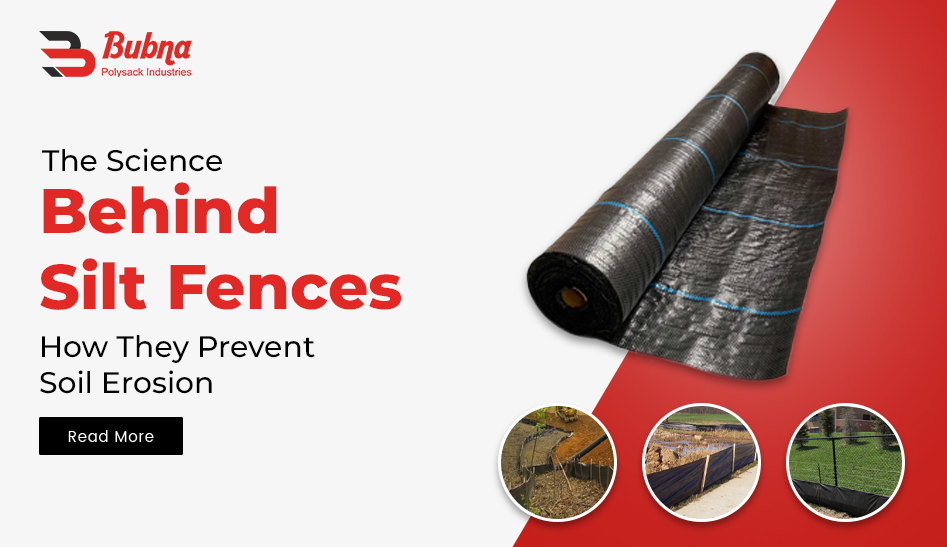
Construction sites, agricultural fields, road projects, and land development areas often face one common challenge: loose soil can be carried away by rainwater and surface runoff. When sediment moves beyond the work area, it can enter drains, ponds, streams, and nearby properties, creating environmental and maintenance concerns. A properly installed silt fence can help control this movement by slowing down runoff and allowing suspended soil particles to settle.
A silt fence is a temporary sediment-control barrier commonly installed around construction and earthwork areas. It is generally made from a permeable geotextile fabric supported by posts and secured into the ground. Rather than completely blocking water, the barrier is designed to reduce the speed of flowing water while retaining sediment. This simple principle makes silt fencing a practical part of erosion and sediment management plans.
What Is a Silt Fence?
A silt fence is a filtration barrier designed to intercept sediment-laden surface water. It is usually positioned along the lower edge of a disturbed area, around stockpiles, near drainage paths, or at other locations where soil may be carried away by rainfall.
The fabric allows water to pass through at a controlled rate while trapping much of the soil and sediment behind the barrier. As the water slows down, heavier particles can settle instead of continuing downstream. The effectiveness of the system depends on several factors, including fabric quality, installation depth, post spacing, site slope, and maintenance.
Unlike a solid wall, the purpose of a silt fence is not to stop every drop of water. Its role is to manage the flow and reduce the amount of sediment leaving a site.
Why Silt Fencing Matters on Construction Sites
Construction activities often disturb the natural surface of the ground. Excavation, grading, foundation work, road construction, and landscaping can leave soil exposed to rainfall. Without suitable controls, even a moderate storm can move loose particles across the site.
Silt fencing provides a relatively simple way to establish a boundary between disturbed soil and areas that need protection. When positioned correctly, it can help keep sediment within the work zone and reduce the amount of soil reaching surrounding drainage systems.
For contractors, this can also make site management easier. Controlling sediment near its source is generally more practical than dealing with large amounts of displaced soil after heavy rainfall. A well-planned silt fence system can therefore become an important component of broader site protection measures.
How a Silt Fence Works
The working principle behind silt fencing is straightforward. When runoff carrying loose soil reaches the fabric, the barrier reduces the velocity of the water. The slower flow gives sediment particles an opportunity to settle on the uphill side of the fence.
The fabric itself acts as a filter, but the fence's performance is not based solely on filtration. Correct installation is equally important. If water flows underneath the fabric, escapes around the ends, or causes the fence to collapse, the system may not perform as intended.
The bottom edge should therefore be properly secured or trenched into the soil according to the project requirements. Posts must provide adequate support, particularly where the site experiences significant runoff. Regular inspection is also necessary after rainfall and throughout the project's duration.
Choosing the Right Geotextile Fabric
The fabric used for a sediment barrier plays a major role in its performance. Geotextile fabric is commonly used because it is specifically designed for applications involving soil, water, drainage, filtration, and separation.
Depending on the project, different grades and configurations of geotextile cloth may be considered. The selection should take into account soil conditions, expected water flow, slope, installation method, and project duration.
The term geo textile fabric is also used when discussing these materials in construction and civil engineering applications. Although the terminology may vary, the basic objective remains the same: provide a suitable textile barrier for controlling the movement of soil and water.
Bubna Polysack Industries offers products associated with industrial, agricultural, and construction applications, including geotextile solutions alongside PP woven bags, tarps, and other woven products.
Silt Fence Installation Requires Careful Planning
Even a high-quality silt fence can perform poorly if it is installed without considering the site's natural drainage pattern. Before installation, the area should be assessed to determine where runoff is likely to travel.
The fence should generally follow the contour of the land rather than simply being placed in a straight line without considering the slope. Its ends should be positioned appropriately so that runoff does not simply travel around the barrier.
The fabric also needs sufficient anchoring. If the lower portion is not adequately secured, flowing water may pass underneath and carry sediment with it. Strong supporting posts and appropriate spacing help the fence remain stable during changing weather conditions.
For larger projects, silt fencing is often used as one part of a wider erosion and sediment-control strategy rather than as the only protective measure.
Silt Fencing and Other Site Protection Materials
Different projects require different forms of ground and material protection. While a silt fence is primarily intended for sediment control, other products can complement it depending on the environment.
Geotextile fabric may be used for separation, stabilization, filtration, and drainage-related applications. Landscape fabric can help manage vegetation in landscaping projects, while weed barrier fabric is often selected for areas where unwanted plant growth needs to be controlled.
In agriculture and horticulture, shade cloth for plants and garden shade cloth can help manage sunlight exposure. In construction and outdoor storage, a waterproof tarp or heavy duty tarps can provide protection against rain and weather.
These products serve different purposes, but together they can help businesses and contractors create a more organized approach to managing exposed soil, materials, and outdoor work areas.
Maintaining a Silt Fence During a Project
Installing a silt fence is only the first step. The barrier should be inspected regularly, especially after heavy rainfall. Accumulated sediment can eventually reduce the available storage area behind the fence and affect its performance.
Damaged fabric, loose posts, undermined sections, and gaps should be repaired promptly. If sediment builds up significantly, it may need to be removed according to the site's management requirements.
Maintenance is particularly important on sloped construction sites where runoff can develop greater speed and volume. A small damaged section can become a weak point through which water and sediment escape.
Routine inspection does not have to be complicated. Site teams can incorporate checks into their regular maintenance schedule and pay particular attention after storms.
Where Silt Fences Can Be Used
Silt fencing is commonly associated with construction projects, but its applications can extend to many other situations where temporary sediment control is required. Roadwork, residential development, commercial construction, utility projects, landscaping, drainage improvements, and land preparation may all involve exposed soil.
Agricultural operations can also face soil movement during land preparation or periods of intense rainfall. Depending on the site, sediment barriers can be combined with other soil-management practices to reduce runoff.
The right solution depends on local conditions. Soil type, slope, rainfall, drainage patterns, project duration, and the amount of disturbed ground should all be considered before selecting and installing a sediment-control system.
Why Material Quality Makes a Difference
Outdoor products have to withstand changing environmental conditions. A sediment-control fabric may be exposed to rain, sunlight, soil pressure, and repeated water flow. Poor-quality materials can tear, stretch, or lose their effectiveness when subjected to demanding conditions.
For this reason, businesses should source construction and agricultural textiles from an experienced supplier. Material specifications should match the application rather than being selected solely on price.
Bubna Polysack Industries provides a range of woven and protective products for industrial and agricultural applications. Its product portfolio includes PP woven bags, FIBC bags, HDPE plastic sheets, tarps, geotextile products, and other solutions designed for demanding working environments.
Conclusion
A silt fence is a simple but useful tool for controlling sediment movement around areas where soil has been disturbed. By slowing runoff and helping suspended particles settle, it can reduce the amount of sediment leaving a construction or development site.
Its success depends on more than the fabric itself. Proper positioning, secure installation, suitable supporting structures, and regular maintenance all contribute to reliable performance. When combined with appropriate geotextile materials and other site-management products, silt fencing can form an effective part of a broader erosion and sediment-control approach.
For construction companies, agricultural businesses, landscapers, and contractors, choosing dependable materials from an experienced supplier can make site protection easier to manage. Bubna Polysack Industries offers a broad selection of industrial and agricultural products, helping businesses find practical material solutions for different project requirements.
 English
 Arabic
 French
 Spanish
 Portuguese
 Deutsch
 Turkish
 Dutch
 Italiano
 Russian
 Romaian
 Portuguese (Brazil)
 Greek