
What a Cracked Foundation Actually Reveals
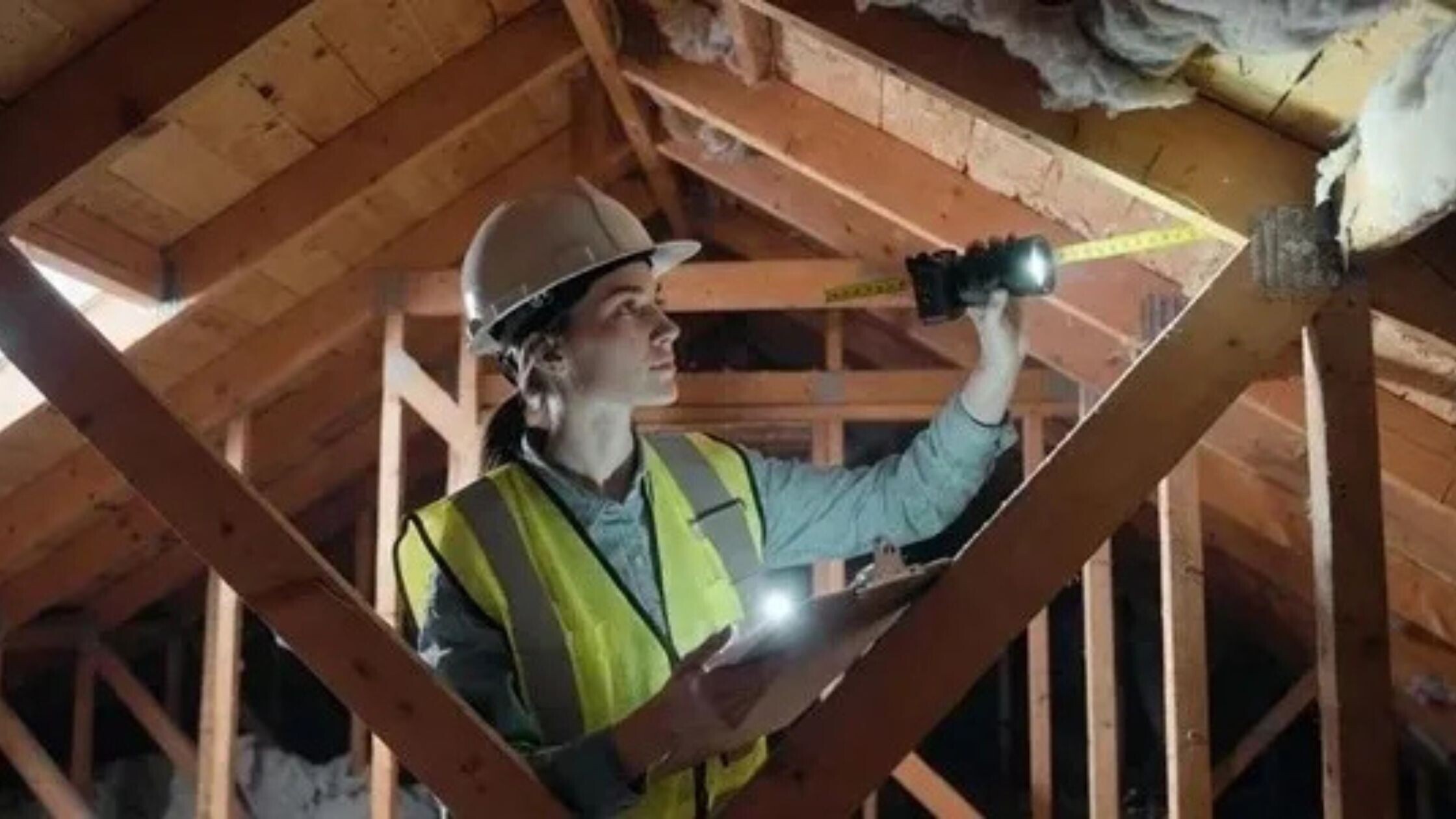
A house in Houston's Third Ward developed a hairline crack above a kitchen window roughly six months before anyone treated it as significant. A door stopped latching cleanly. A marble placed on the kitchen floor rolled toward the pantry on its own. None of these signs seemed urgent in isolation, which is precisely how most foundation problems begin.
Why Structural Failures Rarely Announce Themselves
Buildings tend to fail slowly and quietly long before any failure becomes visible or dramatic. Cracks widen by fractions of a millimeter over months. Foundations shift on a seasonal cycle that most homeowners never track closely enough to notice. By the time a problem becomes obvious, the structure has often been compensating for a considerable period, redistributing loads in ways it was never engineered to handle.
This is the specific problem that forensic structural engineering is built to solve. It is investigative work in the truest sense, closer to careful detective reasoning than routine inspection. The goal is not simply to document that something is wrong, but to determine why the problem developed in the first place.
The Core Elements of a Proper Evaluation
A thorough foundation evaluation begins with a deceptively simple question: why is this happening now, rather than five years ago or five years from now. Answering that question typically requires several coordinated steps:
-
Precise measurement of floor levelness and wall plumbness, compared against baseline data when available
-
Soil composition analysis, since Houston's clay-heavy ground shifts more like a slow tide than a fixed surface
-
Moisture mapping to distinguish cosmetic staining from active, ongoing water intrusion
-
A review of the property's construction history and any prior repairs or additions
Each of these steps narrows the range of possible causes. Together, they allow an engineer to separate a foundation that has settled into a stable, permanent position from one that is still actively moving. That distinction matters enormously, since it determines whether a homeowner can reasonably wait or needs to act within weeks.
A Discipline That Has Sharpened, Not Changed
Modern diagnostic tools have improved considerably over the past two decades. Thermal imaging and precision leveling instruments now reveal patterns of movement and moisture that once required years of accumulated experience to infer. Even so, the underlying discipline remains largely the same as it has always been: careful observation, disciplined reasoning, and a refusal to accept the first plausible explanation without testing it.
The Resolution
The house in the Third Ward was not, in the end, failing on its own. A drainage problem two doors down had been redirecting water toward its foundation for years, saturating the soil unevenly and causing the slow shift the homeowner eventually noticed. Correcting the drainage and stabilizing the affected soil resolved the movement entirely. The crack, the door, and the marble had simply been the earliest available evidence of a problem that started somewhere else.


 Arabic
 French
 Spanish
 Portuguese
 Deutsch
 Turkish
 Dutch
Dutch
 Italiano
 Russian
 Romaian
 Portuguese (Brazil)
 Greek
Greek