Customer loyalty is one of the most valuable outcomes a business can achieve. Customers who trust a brand are more likely to return, recommend its products or services, and develop a long-term relationship with the business. However, loyalty rarely happens by accident. It is built through consistent experiences, meaningful communication, trust, and a clear understanding of what customers value. This is where Brand Marketing plays an important role.
Brand Marketing focuses on creating and communicating a distinct identity that helps customers understand what a business represents and why they should choose it. Instead of focusing only on individual products or short-term sales, it builds recognition and emotional connections over time. When customers repeatedly experience a brand in a positive and consistent way, they have more reasons to remain loyal.
What Is Brand Marketing?
Brand Marketing is the process of promoting a company's identity, values, personality, and overall customer experience rather than focusing exclusively on individual products.
It can involve visual identity, messaging, storytelling, social media, advertising, content, customer experiences, public relations, and community engagement.
The goal is to create a memorable and trustworthy brand that customers can recognise and understand.
For example, two businesses may offer similar products, but customers may prefer one because its values, communication style, reputation, or overall experience feels more relevant to them.
Why Does Brand Marketing Matter for Customer Loyalty?
Customers have more choices than ever. They can compare products, prices, reviews, and services before making decisions.
A strong brand gives customers another reason to choose a business beyond price or convenience.
Brand Marketing helps businesses communicate what makes them different and gives customers a consistent reason to remember and trust them.
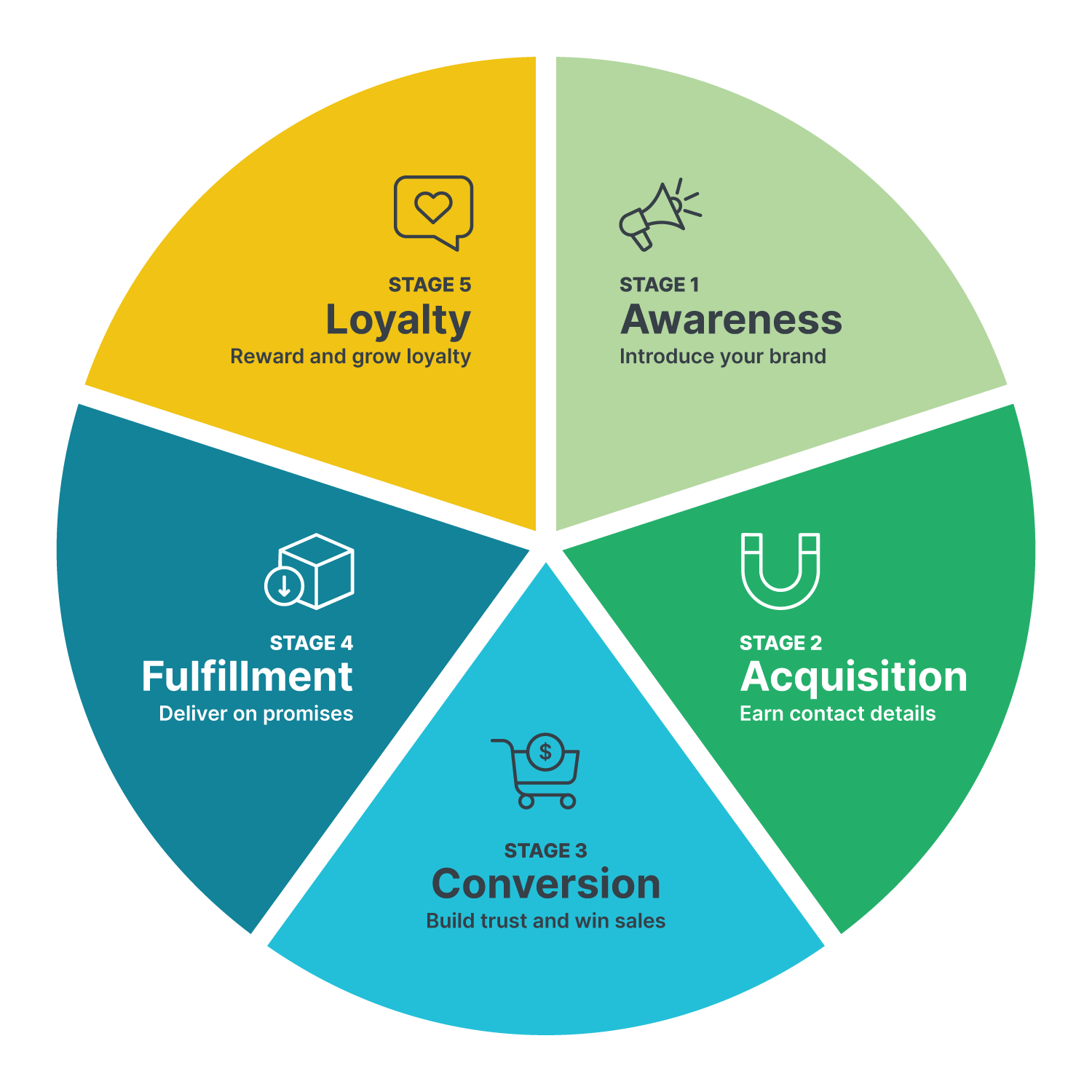
1. It Builds Brand Recognition
Customers are more likely to consider brands they recognise.
Consistent colours, logos, messaging, tone, and visual elements can make a business easier to identify across different channels.
When customers repeatedly encounter the same brand identity, familiarity can increase.
However, recognition alone does not create loyalty. The brand must also deliver experiences that meet or exceed customer expectations.
2. It Creates Emotional Connections
People do not always make purchasing decisions based solely on features and prices.
A brand's story, values, personality, and purpose can influence how customers feel about it.
Brand Marketing can use storytelling to communicate why the business exists and what it hopes to achieve.
When customers find a brand's message meaningful or relatable, they may develop a stronger connection with the business.
3. It Builds Trust Through Consistency
Trust develops when customers know what to expect.
If a business communicates professionally one day but uses completely different messaging the next, customers may become confused.
Consistent branding across websites, social media, advertisements, packaging, and customer service can create a more reliable experience.
Brand Marketing helps businesses establish consistent communication while allowing individual campaigns to support the same overall identity.
4. It Communicates Clear Brand Values
Customers increasingly want to understand what businesses stand for.
Brand values can include quality, innovation, customer service, sustainability, transparency, community involvement, or other principles.
A company should communicate values that genuinely reflect how it operates.
When a business consistently demonstrates its stated values, customers may find it easier to trust the brand.
5. It Differentiates a Business From Competitors
In crowded markets, several businesses may offer similar products or services.
Price discounts can attract attention, but competing only on price can make long-term differentiation difficult.
Brand Marketing helps businesses communicate a unique identity and position.
A strong brand can help customers understand why a company is different and what kind of experience they can expect.
6. It Improves Customer Experience
Branding is not limited to advertisements.
Every interaction can influence how customers perceive a business, including website design, customer support, packaging, social media responses, and after-sales service.
When these touchpoints reflect the same brand promise, the overall customer experience becomes more coherent.
A positive experience can strengthen the relationship between customers and the business.
7. It Encourages Repeat Purchases
Customer loyalty is demonstrated through continued engagement and repeat business.
When customers know what a brand represents and have previously experienced good service, they may feel more comfortable choosing it again.
Brand Marketing keeps the brand visible and relevant between purchases through content, social media, email communication, community activities, and other channels.
The goal is not to constantly push sales but to maintain a meaningful relationship.
8. It Encourages Customer Advocacy
Loyal customers can become valuable advocates.
They may recommend a business to friends, family, colleagues, or online communities.
Strong branding gives customers something recognisable to talk about and share.
A business that delivers consistently positive experiences can benefit from organic recommendations that extend beyond paid advertising.
9. It Strengthens Community Around a Brand
Some businesses successfully build communities rather than simply maintaining customer lists.
Community-building can involve social media groups, events, educational content, customer stories, loyalty programmes, or shared interests.
Brand Marketing can help create a sense of connection among customers who identify with the brand's purpose or values.
A strong community can make customers feel that they are part of something larger than a transaction.
10. It Makes Communication More Personal
Customers respond better when communication feels relevant.
Effective brand marketing can use customer insights to create content and messages that address specific needs, interests, or problems.
Personalisation should be respectful and useful rather than intrusive.
When customers receive information that genuinely helps them, they may view the brand as more attentive and valuable.
11. It Supports Customer Retention
Acquiring new customers can require significant time and resources.
Building relationships with existing customers can help businesses create a more stable customer base.
Brand Marketing supports retention by keeping customers connected to the brand and reinforcing its value after the initial purchase.
This can include helpful content, customer support, loyalty initiatives, product education, and ongoing communication.
12. It Creates Long-Term Brand Value
A strong brand can become an important business asset.
When customers recognise, trust, and prefer a brand, the business may be less dependent on short-term promotional tactics.
Customers may continue choosing the brand because they value the overall experience rather than simply waiting for the lowest price.
This can contribute to stronger long-term relationships.
How to Use Brand Marketing to Build Loyalty
Businesses can strengthen customer loyalty by:
- Defining a clear brand identity
- Understanding their target audience
- Developing consistent messaging
- Communicating authentic brand values
- Creating useful and relevant content
- Delivering consistent customer experiences
- Engaging customers on appropriate channels
- Encouraging feedback
- Responding professionally to customer concerns
- Building communities around shared interests
- Rewarding loyal customers appropriately
The most effective strategy depends on the business, industry, audience, and customer journey.

Common Brand Marketing Mistakes
One common mistake is focusing too heavily on visual branding while ignoring the actual customer experience. A beautiful logo cannot compensate for poor service.
Another mistake is making promises that the business cannot consistently deliver.
Businesses should also avoid copying competitors too closely. Customers need a clear reason to understand what makes a brand unique.
Finally, branding should not remain static forever. Businesses can evolve their communication while maintaining the core identity that customers recognise.
Measuring Brand Loyalty
Businesses can monitor several indicators to understand whether their branding efforts are creating stronger relationships.
These may include repeat purchase rates, customer retention, referral activity, engagement, customer feedback, brand awareness, and customer satisfaction.
Businesses can also examine qualitative feedback to understand why customers choose to remain loyal.
No single metric provides a complete picture. Combining behavioural data with customer feedback can provide a more useful understanding of loyalty.
Final Thoughts
Brand Marketing plays an important role in building strong customer loyalty because it helps businesses create recognition, trust, differentiation, and meaningful connections. Customers are more likely to develop lasting relationships with brands that consistently communicate clearly and deliver experiences that match their promises.
From visual identity and storytelling to customer service, content, community building, and personalised communication, every interaction can influence how customers perceive a brand.
The strongest brands understand that loyalty cannot be created through advertising alone. It comes from consistently delivering value and giving customers genuine reasons to return.
Ultimately, Brand Marketing is about creating a relationship that extends beyond a single transaction. When customers recognise a brand, understand its values, trust its promises, and enjoy their experiences with it, they have stronger reasons to stay connected.
For businesses seeking sustainable growth, investing in authentic and consistent Brand Marketing can help transform occasional buyers into repeat customers and, over time, loyal advocates who willingly recommend the brand to others.



 Spanish
 English
 Arabic
 French
 Portuguese
 Deutsch
 Turkish
 Dutch
 Italiano
 Russian
 Romaian
 Portuguese (Brazil)
 Greek