
Research on the Impact of Humidity in Plasma Electrode Storage Environment on Service Life
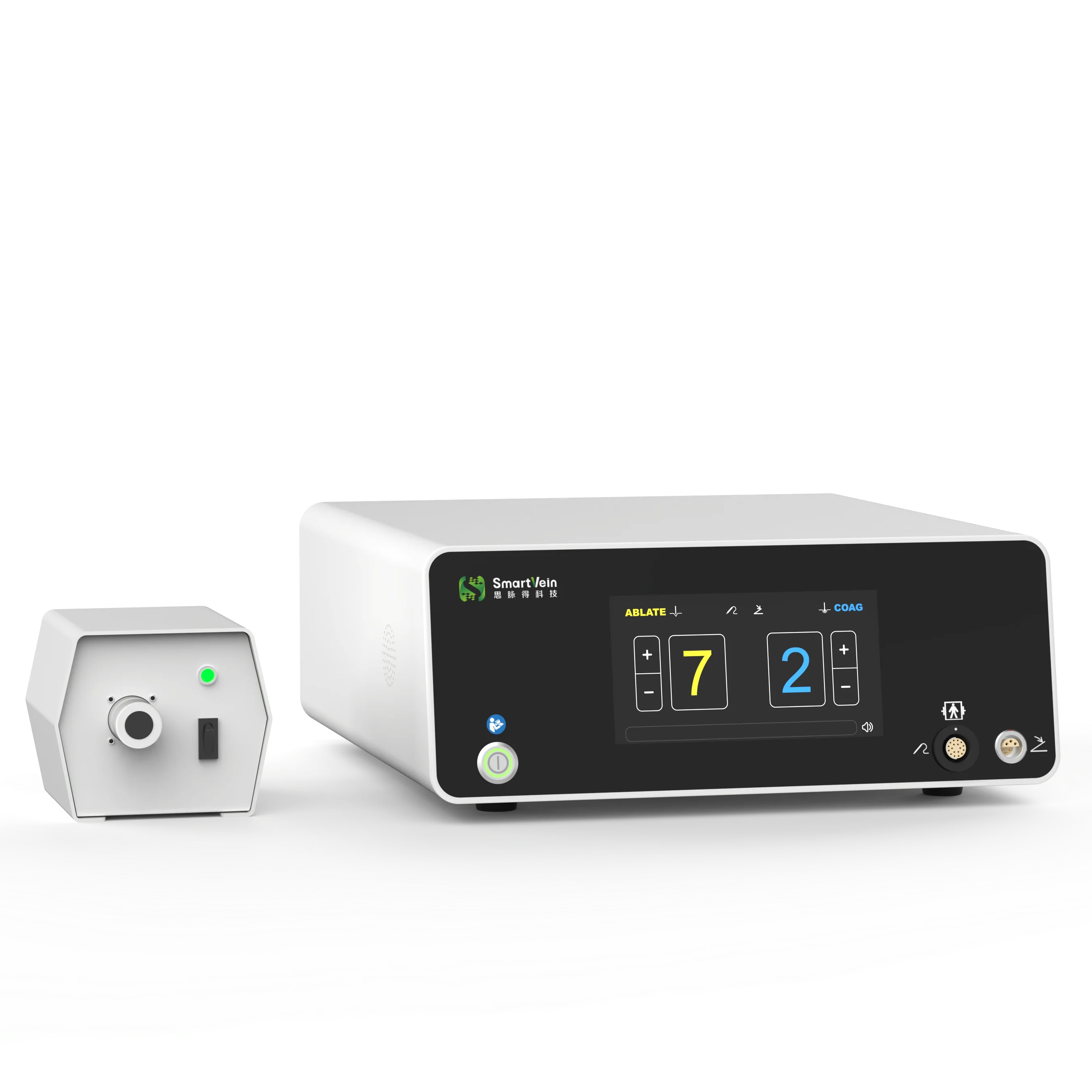
In a plasma surgery system, the electrode is one of the key working components directly involved in energy delivery and tissue interaction. Its condition can therefore influence discharge stability, cutting or ablation performance, insulation reliability, and the overall operating cost of the system.
While electrode materials and manufacturing quality receive considerable attention, storage conditions are another important factor that should not be overlooked. Among environmental parameters, relative humidity (RH) has a particularly significant effect on long-term electrode performance.
Excessive humidity can accelerate electrochemical corrosion, coating degradation, and insulation deterioration. On the other hand, an excessively dry environment may increase material brittleness or static-electricity accumulation in certain components.
For medical device manufacturers, distributors, and hospitals managing plasma surgical components, understanding the relationship between humidity and electrode aging can help establish more appropriate storage procedures.
Why Humidity Can Accelerate Electrode Degradation
Plasma electrodes may incorporate materials such as 316L stainless steel, TA2 titanium alloy, or platinum-iridium (Pt-Ir), together with functional coatings including titanium nitride (TiN), diamond-like carbon (DLC), ceramic insulation layers, and insulating components.
The response of these materials to humidity is not identical, but several degradation mechanisms are particularly relevant.
Electrochemical Corrosion
When relative humidity becomes sufficiently high, moisture can accumulate as a thin film on a metal surface. Contaminants and gases present in the surrounding environment can dissolve into this film, creating an electrolyte that facilitates electrochemical reactions.
The metal substrate can then undergo anodic oxidation, while oxygen or hydrogen ions participate in cathodic reactions.
Over time, corrosion products can alter surface morphology and roughness. On plasma electrodes, these changes may affect the consistency of electrical discharge and energy distribution.
Localized defects such as scratches, coating pinholes, and microcracks can make the situation more serious. These areas may become initiation points for pitting or crevice corrosion, allowing localized damage to progress faster than general surface corrosion.
Coating Aging and Delamination
Functional coatings such as TiN and DLC are often used to improve wear resistance, modify surface properties, reduce tissue adhesion, or enhance electrode performance.
Moisture can affect coating systems in several ways. Depending on the coating chemistry and structure, prolonged exposure to high humidity may promote chemical degradation, increase porosity, or weaken the interface between coating and substrate.
If moisture penetrates through microscopic defects, it can reach the coating-substrate interface and create localized corrosion or interfacial stress. As adhesion decreases, partial delamination may occur.
For coated electrodes, coating integrity is therefore an important indicator when evaluating storage life.
Declining Insulation Performance
Insulating components such as ceramic sleeves and polymeric insulation parts can also interact with moisture.
Under high-humidity conditions, some insulating materials absorb water, potentially reducing surface and volume resistivity. Moisture contamination on an insulating surface can also create a conductive path, increasing leakage current and raising the possibility of abnormal discharge.
For plasma surgical equipment, maintaining stable insulation is particularly important because unexpected leakage or discharge behavior can affect both equipment performance and operational safety.
How Can the Effect of Humidity Be Evaluated?
A practical way to investigate storage-related aging is to conduct controlled environmental aging tests.
For example, three representative electrode constructions can be compared:
- Group A: 316L stainless steel substrate with TiN coating
- Group B: TA2 titanium alloy substrate with DLC coating
- Group C: Uncoated platinum-iridium alloy
The samples can then be stored under several controlled humidity conditions, such as 30%, 50%, 70%, and 90% RH, while maintaining a constant temperature.
Periodic evaluation—for example, every three months over a 12-month period—allows researchers to track changes in electrochemical behavior, coating integrity, surface morphology, and discharge performance.
This approach provides more useful information than simply examining an electrode after a long storage period because it shows how degradation develops over time.
Key Indicators for Electrode Aging
Several measurement categories can be incorporated into a storage-aging study.
Electrochemical Performance
Surface impedance and open-circuit potential can provide information about changes in the electrode's electrochemical condition. Significant impedance increases or potential shifts may indicate accelerated corrosion or surface degradation.
Coating Integrity
Coating thickness, surface roughness, and delamination area can be evaluated using techniques such as scanning electron microscopy (SEM), energy-dispersive spectroscopy (EDS), and laser confocal microscopy.
These methods help identify coating defects, corrosion products, cracks, and changes in surface morphology.
Discharge Performance
Storage aging should ultimately be connected with functional performance. Changes in power stability and tissue-interaction behavior can be evaluated using appropriate laboratory simulation systems.
For example, a significant increase in power fluctuation or reduction in simulated cutting performance may indicate that material degradation has begun to affect actual electrode operation.
Corrosion Morphology
Three-dimensional surface measurements can be used to quantify pitting depth, while surface analytical methods such as XPS can help characterize corrosion products and chemical changes.
What Experimental Results Typically Show
A controlled comparison of humidity levels demonstrates a clear trend: higher humidity generally corresponds to shorter storage life, particularly for coated metal electrodes.
In the example experimental model, Group A electrodes showed storage lives of more than 24 months at 30% RH, approximately 18 months at 50% RH, 12 months at 70% RH, and around six months at 90% RH.
Group B, using a titanium alloy substrate and DLC coating, demonstrated somewhat better resistance to humid storage, with estimated storage lives exceeding 24 months at 30% and 50% RH, approximately 18 months at 70% RH, and around nine months at 90% RH.
The Pt-Ir reference group performed better under humid conditions, remaining above 24 months even at 90% RH in the described test model.
These results suggest that electrode construction has a major influence on humidity sensitivity. Titanium alloy can offer better corrosion resistance than conventional stainless steel because of its stable passive oxide layer, while Pt-Ir provides excellent corrosion resistance compared with many conventional electrode materials.
However, these figures should be treated as study-specific experimental results rather than universal shelf-life specifications. Actual storage life depends on electrode design, material grade, coating process, packaging, contamination, temperature, and applicable manufacturer specifications.
Humidity and Temperature Work Together
Humidity should not be evaluated independently from temperature.
Accelerated aging observations indicate that elevated temperature can significantly increase degradation rates under high-humidity conditions. In practical storage environments, a combination of high temperature and high RH can therefore be substantially more damaging than either condition alone.
This is particularly relevant for warehouses or distribution environments exposed to seasonal heat and humidity.
For long-term storage, monitoring both temperature and relative humidity is therefore preferable to monitoring humidity alone.
Practical Storage Recommendations
For electrode storage, a controlled environment can significantly reduce unnecessary aging.
A practical target is to maintain approximately 40%–60% RH, while avoiding prolonged exposure to very high humidity.
For additional protection, manufacturers and users can consider:
Sealed packaging: Moisture-barrier packaging combined with an appropriate desiccant can reduce exposure to ambient moisture.
Environmental monitoring: Storage areas should use calibrated temperature and humidity monitoring equipment. Dehumidification can be introduced when humidity remains excessively high.
Periodic inspection: Long-term inventory should be inspected at defined intervals, with attention to visible corrosion, coating condition, insulation integrity, and relevant electrical characteristics.
Protection of high-value electrodes: Specialized storage or moisture-barrier packaging may be appropriate for expensive electrode assemblies. Any additional protective material, however, should be compatible with the electrode and must not interfere with subsequent clinical use or electrical discharge.
Most importantly, storage procedures should always be aligned with the electrode manufacturer's validated instructions and applicable medical-device requirements.
Conclusion
Humidity is an important environmental factor affecting the long-term condition of plasma electrodes. Excessive moisture can promote electrochemical corrosion, coating degradation, delamination, and deterioration of insulation performance. When combined with elevated temperature, these effects can become even more pronounced.
Coated electrodes such as 316L + TiN and TA2 + DLC may require particular attention to coating integrity and localized corrosion, while highly corrosion-resistant materials such as Pt-Ir may tolerate humid conditions better but should not be considered immune to environmental aging.
For plasma surgery systems, effective storage management should therefore include humidity control, temperature monitoring, protective packaging, and periodic inspection. Establishing these measures can help preserve electrode performance, reduce premature failures, and support safer and more predictable operation when the components are eventually placed into service.
Ultimately, storage conditions should be regarded as part of the electrode's overall lifecycle management—not simply as a warehouse requirement.

 Arabic
 French
 Spanish
 Portuguese
 Deutsch
 Turkish
 Dutch
Dutch
 Italiano
 Russian
 Romaian
 Portuguese (Brazil)
 Greek
Greek