
Verified Peptides and Certificates of Analysis: A Complete Researcher's Guide
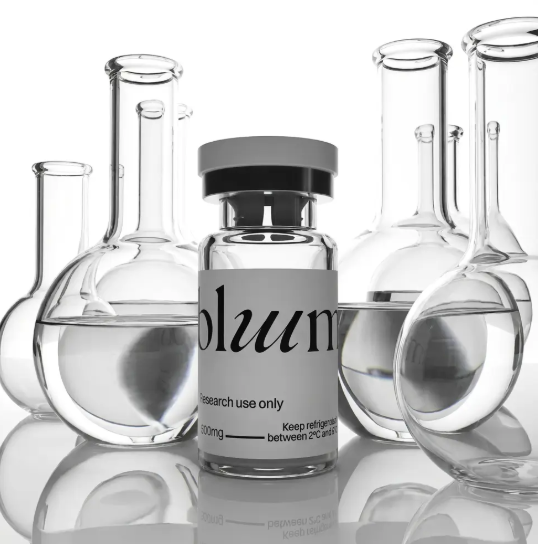
In scientific research, the quality of experimental materials plays a critical role in generating accurate, reproducible, and trustworthy results. As peptide research continues to expand across biotechnology, molecular biology, pharmacology, and biochemical sciences, researchers are placing greater emphasis on sourcing compounds that meet rigorous quality standards. One of the most effective ways to evaluate research materials is by selecting verified peptides supported by comprehensive Certificates of Analysis (COAs).
A Certificate of Analysis provides researchers with detailed analytical information about a specific production batch, helping them evaluate product identity, purity, consistency, and manufacturing quality before beginning laboratory work. When combined with standardized manufacturing and transparent quality control procedures, COAs help establish confidence in peptide materials and support reproducible scientific investigations.
This guide explains the importance of verified peptides, explores the role of Certificates of Analysis, and outlines the key quality standards every researcher should understand when selecting research-grade peptide materials.
What Are Verified Peptides?
Verified peptides are research compounds that have undergone analytical testing and quality assurance procedures to confirm that they meet established laboratory specifications.
Verification typically includes:
- Identity confirmation
- Purity assessment
- Batch consistency evaluation
- Analytical testing
- Manufacturing quality control
- Proper labeling
- Storage recommendations
Rather than relying solely on manufacturer claims, researchers often seek peptide products supported by detailed laboratory documentation that demonstrates objective quality verification.
Why Research Quality Matters
Reliable scientific conclusions begin with reliable research materials.
Even carefully designed experiments may produce inconsistent or misleading results if peptide compounds vary in purity, identity, or composition.
Using verified peptides helps researchers:
- Improve reproducibility
- Reduce experimental variability
- Increase confidence in analytical data
- Support collaborative research
- Strengthen published findings
Quality assurance provides a solid foundation for dependable laboratory investigations.
What Is a Certificate of Analysis?
A Certificate of Analysis (COA) is an official quality document that summarizes the analytical testing performed on a specific production batch of a research product.
A COA allows researchers to independently review important quality characteristics before introducing peptide materials into laboratory studies.
Although COA formats vary among manufacturers, most include similar categories of analytical information.
Information Commonly Found in a Certificate of Analysis
Researchers frequently review several key sections within a COA.
Product Identification
This section identifies the peptide being tested and confirms the intended product designation.
Batch Number
Each manufacturing batch receives a unique identification number that allows researchers to trace the specific production run associated with analytical results.
Purity Results
Purity percentages indicate the proportion of the intended peptide relative to impurities detected during analysis.
Molecular Weight
Measured molecular weight helps confirm that the synthesized peptide corresponds to the expected molecular structure.
Testing Methods
The COA typically identifies the analytical techniques used to evaluate the product.
Storage Recommendations
Suggested storage conditions help laboratories preserve peptide stability after receipt.
Together, these details provide researchers with valuable information regarding product quality and consistency.
Understanding Purity Analysis
Purity is one of the most important characteristics researchers evaluate when selecting verified peptides.
Higher purity generally reduces the likelihood that unintended compounds will interfere with experimental observations.
Common analytical methods include:
High-Performance Liquid Chromatography (HPLC)
HPLC separates compounds within a sample and measures the percentage of the intended peptide relative to impurities.
This method remains one of the most widely used techniques for evaluating peptide purity.
Mass Spectrometry (MS)
Mass spectrometry confirms molecular weight and supports peptide identity verification.
When combined with HPLC, mass spectrometry provides researchers with greater confidence in laboratory materials.
Identity Verification
Additional analytical procedures confirm that the amino acid sequence matches the intended peptide specification.
These testing methods help ensure that verified peptides meet established laboratory quality standards.
Why Batch Consistency Is Important
Many scientific investigations extend over months or even years.
During long-term projects, laboratories often purchase multiple production batches of the same peptide.
Without standardized manufacturing procedures, batch-to-batch variation may introduce unnecessary uncertainty into research findings.
Reliable verified peptides demonstrate:
- Consistent purity
- Stable composition
- Predictable analytical results
- Reliable manufacturing quality
Batch consistency supports reproducible scientific investigations across multiple research phases.
Third-Party Testing Adds Confidence
Many researchers prefer peptide products supported by independent laboratory verification.
Third-party testing provides objective analytical evaluation separate from the manufacturer's internal quality control procedures.
Independent verification may include confirmation of:
- Product identity
- Purity
- Molecular weight
- Batch consistency
This additional level of transparency strengthens confidence in research materials.
Choosing Reliable Research Suppliers
Selecting dependable peptide suppliers involves evaluating several important quality indicators.
Standardized Manufacturing
Reliable suppliers follow documented production procedures that help reduce variability between batches.
Comprehensive Quality Control
Routine quality assurance supports consistent manufacturing performance.
Transparent Documentation
Complete Certificates of Analysis demonstrate a commitment to scientific integrity.
Independent Analytical Testing
Third-party verification provides additional confidence in reported quality data.
Professional Reputation
Researchers frequently choose suppliers recognized for consistency, transparency, and dependable laboratory standards.
These characteristics help laboratories obtain verified peptides suitable for high-quality scientific research.
Proper Storage and Laboratory Handling
Maintaining peptide quality extends beyond manufacturing.
Researchers commonly follow best practices that include:
- Following recommended storage temperatures
- Avoiding repeated freeze-thaw cycles
- Using sterile laboratory techniques
- Protecting products from moisture and contamination
- Maintaining accurate laboratory records
Proper handling preserves peptide stability and supports reliable experimental performance.
Why Transparency Supports Better Science
Transparency is a cornerstone of modern scientific research.
Researchers increasingly expect suppliers to provide detailed analytical documentation that allows independent evaluation of product quality.
Access to comprehensive Certificates of Analysis enables laboratories to:
- Review analytical data
- Verify manufacturing consistency
- Compare production batches
- Support reproducibility
- Improve confidence in research materials
Transparent quality reporting benefits both individual laboratories and the broader scientific community.
The Future of Quality Assurance in Peptide Research
Advances in peptide synthesis, analytical chemistry, and manufacturing technologies continue raising quality expectations across the research industry.
Modern laboratories increasingly prioritize verified peptides supported by robust analytical documentation and standardized quality assurance systems. At the same time, scientific journals and research institutions continue emphasizing reproducibility, transparency, and well-characterized research materials.
As peptide research expands across numerous scientific disciplines, Certificates of Analysis will remain one of the most valuable tools for evaluating research-grade compounds.
Final Thoughts
Successful scientific research depends on careful attention to quality at every stage of the experimental process. While study design and laboratory methodology remain essential, the integrity of research materials forms the foundation of reliable scientific investigation.
Choosing verified peptides supported by comprehensive Certificates of Analysis allows researchers to evaluate purity, identity, batch consistency, and analytical verification before beginning experiments. These quality standards reduce unnecessary variability, improve reproducibility, and strengthen confidence in research findings.
As peptide science continues advancing, laboratories that prioritize transparent documentation and rigorous quality assurance will be better positioned to produce accurate, repeatable, and meaningful scientific contributions that support the continued growth of biomedical research.

 English
 Arabic
 French
 Spanish
 Portuguese
 Turkish
 Dutch
Dutch
 Italiano
 Russian
 Romaian
 Portuguese (Brazil)
 Greek
Greek