
Why Southeast Asia 3PL Is Entering a Smarter Era
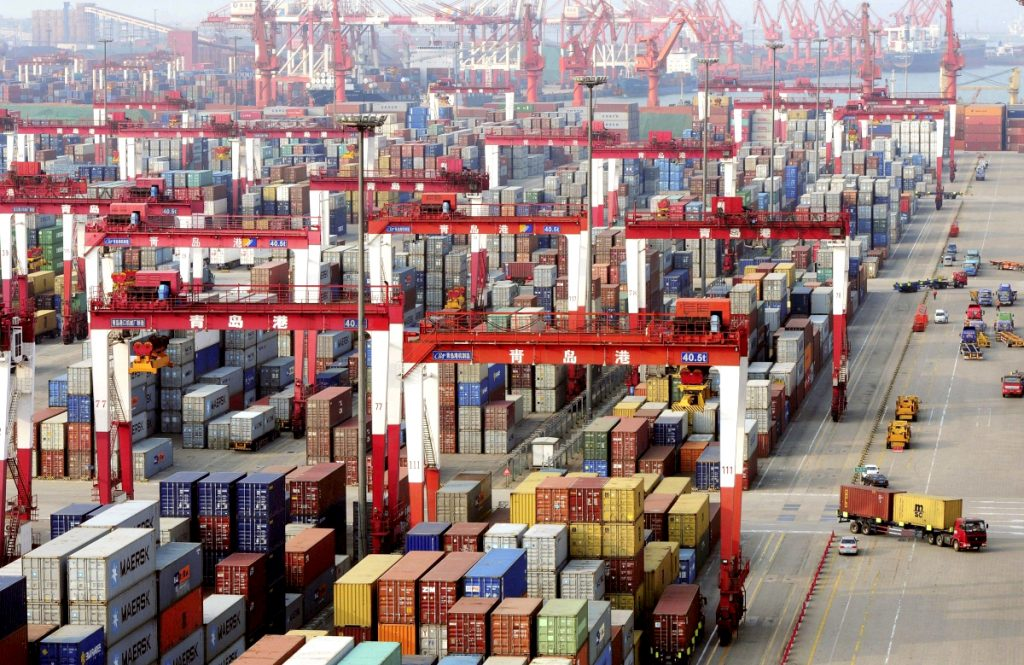
Southeast Asia is becoming a more complex logistics environment as trade networks, manufacturing clusters, and digital commerce expand across multiple economies. Companies increasingly need flexible supply chains capable of moving goods between ports, factories, warehouses, retail locations, and consumers. This operational complexity is strengthening the role of third-party logistics providers that coordinate transportation, storage, distribution, and supply chain processes across diverse regional markets.
The expansion of e-commerce and cross-border business is also changing expectations around delivery speed and inventory visibility. Companies are exploring specialized providers for regional logistics outsourcing services rather than managing every transportation and warehousing activity internally. This approach can provide access to established logistics networks, technology platforms, and operational expertise while allowing businesses to focus more closely on their primary commercial activities.
According to analysis published by MarkNtel Advisors, the Southeast Asia Third-Party Logistics Market is projected to expand from USD 31.86 billion in 2026 to USD 45.7 billion by 2032, reflecting a CAGR of 6.2% during 2026–2032. The outlook reflects broader changes in trade activity, infrastructure development, digital commerce, and the growing requirement for more coordinated supply chain operations across the region.
E-Commerce Is Redefining Logistics Requirements
Online shopping has changed the traditional movement of goods. Logistics networks that were once designed mainly for bulk shipments to stores must now manage smaller orders, multiple delivery points, returns, and rapidly changing inventory requirements. The ASEAN Digital Masterplan recognizes the role of digital services and electronic commerce in facilitating cross-border trade, highlighting the wider policy focus on digitally connected regional business activity.
For third-party logistics providers, this shift requires more than additional delivery vehicles. E-commerce fulfillment depends on accurate inventory management, strategically positioned warehouses, order processing systems, and effective last-mile coordination. Providers that can connect these activities through integrated logistics platforms are becoming increasingly relevant to retailers and consumer-focused businesses operating across Southeast Asia.
Digital Technology Is Improving Supply Chain Visibility
Supply chain visibility has become an important operational requirement for manufacturers, retailers, and distributors. Businesses increasingly expect real-time information about shipments, inventory levels, delivery schedules, and possible disruptions. Transportation management systems, warehouse management platforms, Internet of Things devices, and data analytics are helping logistics providers create more transparent and connected operations.
Digital tools can also support faster decision-making. When logistics teams have access to current shipment and warehouse information, they can identify delays, adjust transport routes, and manage inventory more efficiently. Artificial intelligence is gradually adding another layer of capability by supporting demand forecasting, route planning, and resource allocation. However, effective implementation still depends on data quality and integration between different supply chain systems.
Smart Warehousing Is Becoming More Important
Warehouses are evolving from conventional storage facilities into technology-enabled fulfillment centers. Automated sorting systems, robotics, barcode technologies, sensors, and digital inventory platforms are helping operators process goods with greater accuracy. These technologies are particularly relevant in high-volume environments where order speed and inventory visibility directly influence logistics performance.
Automation does not eliminate the need for skilled logistics teams. Instead, it changes how employees interact with warehouse operations. Routine handling and tracking processes can become more automated, while human teams focus on supervision, exception management, maintenance, and supply chain planning. The combination of technology and operational expertise is likely to shape the development of modern warehousing across Southeast Asia.
Regional Trade Is Increasing Network Complexity
Southeast Asia includes economies with different transport systems, customs processes, infrastructure capabilities, and geographic conditions. Moving goods between Singapore, Malaysia, Indonesia, Vietnam, Thailand, and other regional markets can involve road freight, maritime transport, air cargo, and multimodal connections. This diversity makes logistics planning particularly complex for companies managing regional supply chains.
Third-party logistics providers can help coordinate these fragmented transport environments by connecting different modes and distribution points. The importance of digitalized trade procedures is also reflected in ASEAN research, which notes continued regional progress in simplifying and digitalizing trade processes while emphasizing the need for further trade facilitation efforts.
Infrastructure Gaps Create Operational Challenges
Despite significant logistics development, infrastructure quality remains uneven across Southeast Asia. Congested ports, limited transport connectivity, urban traffic, and gaps in multimodal networks can increase delivery times and operational costs. Geographic complexity also affects logistics planning, particularly in archipelagic markets where goods may need to move through several transportation stages before reaching their final destination.
These challenges are encouraging logistics providers to improve network planning and invest in technology-enabled operations. Distribution hubs, modern warehouses, route optimization tools, and stronger multimodal connections can help reduce inefficiencies. Infrastructure modernization by governments and private investors may also improve regional connectivity, although the pace and impact of development will continue to vary between individual countries.
Outsourcing Is Becoming a Strategic Supply Chain Choice
Businesses are increasingly evaluating logistics outsourcing as a strategic operational decision rather than simply a method of transporting goods. Managing an internal logistics network requires investment in warehouses, vehicles, employees, technology, and regulatory expertise. For companies expanding into several Southeast Asian countries, these requirements can become difficult to manage at scale.
A third-party logistics relationship can provide access to existing infrastructure and specialized supply chain knowledge. However, selecting a provider requires careful assessment of geographic coverage, technology capabilities, service reliability, compliance processes, and integration with internal systems. Businesses also need clear performance metrics to ensure outsourced operations remain aligned with inventory, delivery, and customer service requirements.
The Future of Southeast Asia 3PL Will Be More Connected
The next stage of third-party logistics development in Southeast Asia is likely to focus on connectivity between transportation, warehousing, data, and customer-facing systems. Logistics providers will need to respond to expanding digital commerce, complex regional trade flows, and growing expectations for shipment visibility. Technology adoption will remain important, but operational execution and network reliability will continue to determine practical supply chain performance.
Southeast Asia's logistics ecosystem is moving toward a more integrated model in which physical infrastructure and digital systems work together. Third-party logistics providers capable of coordinating multimodal transport, smart warehousing, and data-driven operations may play a larger role in regional supply chains. The transformation is gradual, but the direction points toward logistics networks that are increasingly connected, transparent, and adaptable.

 English
 Arabic
 French
 Spanish
 Portuguese
 Deutsch
 Turkish
 Dutch
Dutch
 Russian
 Romaian
 Portuguese (Brazil)
 Greek
Greek