
Solar Panels: Types, Benefits, and How to Choose the Right Solar Panel in Pakistan
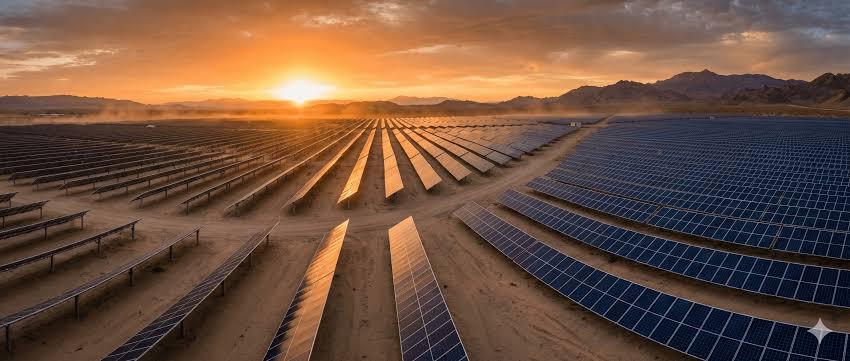
Solar energy has become one of the fastest-growing renewable energy solutions in Pakistan. With increasing electricity prices, energy shortages, and growing environmental concerns, homeowners, businesses, and industries are shifting toward solar power systems.
At the heart of every solar energy system are solar panels, which capture sunlight and convert it into usable electricity. Choosing the right type of solar panel is essential because it directly affects energy production, efficiency, system lifespan, and return on investment.
Modern solar panels use photovoltaic (PV) technology to convert sunlight into direct current (DC) electricity, which is then converted into usable alternating current (AC) through an inverter.
What Are Solar Panels?
Solar panels are devices made up of multiple photovoltaic cells that convert sunlight into electrical energy. These cells are usually made from semiconductor materials, mainly silicon.
When sunlight hits the solar cells, it creates an electrical flow that can be used to power homes, offices, factories, and agricultural equipment.
A complete solar system usually includes:
- Solar panels
- Solar inverter
- Mounting structures
- Batteries (for hybrid/off-grid systems)
- Monitoring system
- Electrical protection equipment
Solar panels are the most important component because they determine how much electricity your system can generate.
How Do Solar Panels Work?
The working process of solar panels is simple:
1. Sunlight Absorption
Solar cells inside the panel absorb energy from sunlight.
2. Electricity Generation
The photovoltaic effect converts sunlight into DC electricity.
3. Energy Conversion
The inverter converts DC electricity into AC electricity for household and commercial use.
4. Power Usage
Generated electricity can power appliances, machinery, irrigation systems, and other electrical equipment.
Excess electricity can also be stored in batteries or sent back to the grid through net metering systems.
Types of Solar Panels
There are different types of solar panels available in the market. Each type has unique features, efficiency levels, and applications.
1. Monocrystalline Solar Panels
Monocrystalline solar panels are among the most efficient solar panels available today.
They are made from a single silicon crystal structure, which allows electrons to move more freely and improves electricity production.
Advantages:
- Higher efficiency
- Better performance in limited space
- Longer lifespan
- Modern appearance
- Suitable for residential and commercial projects
Disadvantages:
- Higher initial cost compared to some other panel types
Monocrystalline panels are commonly preferred for homes and businesses where roof space is limited and maximum power generation is required.
2. Polycrystalline Solar Panels
Polycrystalline panels are made from multiple silicon fragments melted together.
They were traditionally popular because they offered a more affordable option.
Advantages:
- Lower cost
- Reliable performance
- Simple manufacturing process
Disadvantages:
- Lower efficiency compared to monocrystalline panels
- Requires more installation space
Polycrystalline panels can still be suitable for projects where available space is not a limitation.
3. Thin-Film Solar Panels
Thin-film solar panels are made using thin layers of photovoltaic material deposited onto a surface.
They are lightweight and flexible compared to traditional crystalline panels.
Advantages:
- Lightweight design
- Flexible applications
- Suitable for special installations
Disadvantages:
- Lower efficiency
- Requires more space
Thin-film technology is often used in specialized applications such as portable systems and building-integrated solar solutions.
4. Bifacial Solar Panels
Bifacial solar panels can generate electricity from both the front and back sides of the panel.
They capture direct sunlight from the front while using reflected sunlight from surrounding surfaces.
Benefits:
- Higher energy generation potential
- Better performance in open areas
- Suitable for commercial and utility-scale projects
These panels are increasingly used in large solar installations.
5. Building Integrated Photovoltaics (BIPV)
BIPV solar panels are integrated directly into building materials.
Examples include:
- Solar windows
- Solar roof tiles
- Solar facades
They combine energy generation with modern architectural design.
Best Solar Panel Brands in Pakistan
Pakistan's solar market offers various international solar panel brands.
Popular options include:
- LONGi Solar
- Jinko Solar
- Canadian Solar
- JA Solar
- Trina Solar
- SunPower
- Panasonic
- Tongwei
The right brand depends on project requirements, budget, efficiency needs, and warranty support.
Benefits of Installing Solar Panels
Reduce Electricity Bills
Solar panels allow homeowners and businesses to generate their own electricity and reduce dependence on expensive grid power.
Renewable Energy Source
Solar energy is clean, sustainable, and environmentally friendly.
Long-Term Investment
High-quality solar panels can provide electricity for decades with proper maintenance.
Energy Independence
Solar systems reduce reliance on traditional electricity providers.
Low Maintenance
Solar panels require minimal maintenance compared to many other energy sources.
Solar Panels for Homes
Residential solar panels help homeowners:
- Reduce monthly electricity expenses
- Manage rising energy costs
- Power essential appliances
- Improve home energy efficiency
Home solar systems can be designed as:
- On-grid systems
- Hybrid systems
- Off-grid systems
The right option depends on electricity requirements and backup needs.
Solar Panels for Commercial Businesses
Businesses use solar panels to reduce operational expenses and improve sustainability.
Commercial solar applications include:
- Offices
- Shopping malls
- Schools
- Hospitals
- Hotels
- Warehouses
Solar energy helps businesses achieve lower electricity costs and better energy management.
Solar Panels for Industrial Applications
Industries consume large amounts of electricity every day.
Industrial solar panels help factories and manufacturing units:
- Reduce production costs
- Improve energy reliability
- Lower carbon emissions
- Support sustainable operations
Large-scale solar installations can significantly reduce dependency on grid electricity.
Solar Panels for Agriculture
Farmers are also adopting solar panels for:
- Tube wells
- Water pumps
- Irrigation systems
- Farm operations
Solar-powered agriculture reduces diesel costs and improves farming efficiency.
How to Choose the Right Solar Panel?
Before purchasing solar panels, consider these factors:
Efficiency
Higher-efficiency panels generate more electricity from limited space.
Quality
Choose panels from trusted manufacturers with strong warranties.
Weather Resistance
Pakistan's climate includes high temperatures and dust, so durable panels are essential.
Warranty
Look for companies offering reliable product and performance warranties.
Professional Installation
Proper installation improves system performance and lifespan.
Why Choose DSG Energy for Solar Panel Solutions?
DSG Energy provides professional solar solutions for residential, commercial, industrial, and agricultural customers in Pakistan. The company focuses on customized solar system design, quality solar equipment, professional installation, monitoring solutions, and after-sales support. DSG Energy offers complete solar energy solutions designed to help customers reduce electricity costs and achieve greater energy independence.
Customers looking for reliable solar panel solutions can explore <a href="https://dsgenergy.com.pk/types-of-solar-panels/">Types of Solar Panels</a> and learn how different solar technologies can meet their energy requirements.
Future of Solar Panels in Pakistan
Solar adoption in Pakistan is expected to continue growing as electricity costs increase and renewable energy becomes more accessible.
Advancements in solar technology are improving:
- Panel efficiency
- Energy storage
- Smart monitoring
- System reliability
Solar panels will continue playing an important role in creating a cleaner and more sustainable energy future.
Frequently Asked Questions
Which type of solar panel is best in Pakistan?
Monocrystalline solar panels are generally considered one of the best options because of their high efficiency and performance, especially where roof space is limited.
How long do solar panels last?
High-quality solar panels typically provide reliable performance for 25 years or more with proper maintenance.
Are solar panels worth investing in Pakistan?
Yes. Due to increasing electricity prices and abundant sunlight, solar panels can provide significant long-term savings.
Can solar panels work during cloudy weather?
Yes, solar panels can still generate electricity during cloudy conditions, although production may be lower.
How many solar panels does a home need?
The number depends on electricity consumption, roof space, panel capacity, and energy requirements.
Conclusion
Solar panels are transforming how homes, businesses, industries, and farms generate electricity in Pakistan. With different options such as monocrystalline, polycrystalline, thin-film, and bifacial panels, customers can choose solutions according to their energy needs and budget.
Investing in high-quality solar panels with professional installation ensures better efficiency, long-term savings, and reliable clean energy. By choosing experienced solar providers like DSG Energy, customers can move toward energy independence while contributing to a greener future.

 English
 Arabic
 French
 Portuguese
 Deutsch
 Turkish
 Dutch
Dutch
 Italiano
 Russian
 Romaian
 Portuguese (Brazil)
 Greek
Greek