
Recycled Polyester: Transforming Plastic Waste into Sustainable Textile Solutions
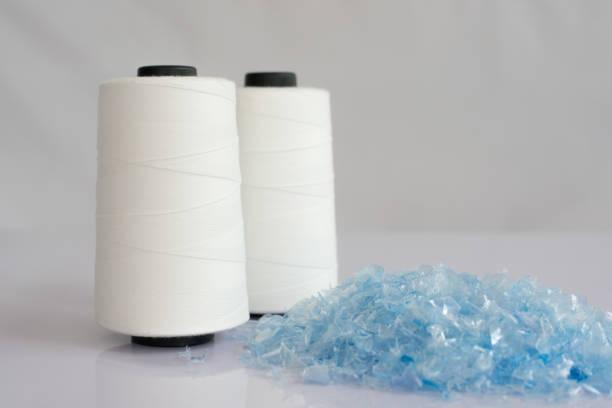
Sustainability has become a major focus across industries, and the textile sector is no exception. As manufacturers and consumers seek environmentally responsible alternatives to traditional materials, recycled polyester has emerged as one of the most widely used sustainable synthetic fibers. Produced from recycled plastic waste such as polyethylene terephthalate (PET) bottles and recycled polyester textiles, this innovative material helps reduce landfill waste while conserving valuable natural resources.
Recycled polyester offers many of the same performance characteristics as virgin polyester, including durability, lightweight construction, wrinkle resistance, and moisture management. Its versatility makes it suitable for apparel, home furnishings, automotive applications, industrial products, and outdoor equipment, supporting a more circular and sustainable approach to manufacturing.
What Is Recycled Polyester?
Recycled polyester, commonly known as rPET, is a synthetic fiber manufactured by recycling existing plastic materials instead of using newly produced petroleum-based raw materials. Most recycled polyester is created from post-consumer PET bottles, although textile waste and industrial polyester scraps can also serve as valuable feedstocks.
By transforming discarded plastic into high-quality fibers, recycled polyester extends the useful life of existing materials and helps reduce dependence on virgin fossil resources.
How Is Recycled Polyester Made?
The production process involves several carefully controlled stages to ensure high-quality fibers.
Collection
Used PET bottles, discarded polyester products, and recyclable plastic materials are collected through recycling systems.
Sorting and Cleaning
Collected materials are sorted to remove contaminants such as labels, caps, adhesives, and other unwanted substances before being thoroughly cleaned.
Shredding
The cleaned plastic is processed into small flakes that become the raw material for fiber production.
Melting and Extrusion
Plastic flakes are melted and extruded into fine filaments or pellets, which are then processed into polyester fibers.
Yarn Production
The recycled fibers are spun into yarn that can be woven or knitted into fabrics used across multiple industries.
Continuous improvements in recycling technology have significantly enhanced the quality and consistency of recycled polyester fibers.
Key Characteristics of Recycled Polyester
Recycled polyester provides many functional advantages while supporting sustainable manufacturing.
High Durability
The material offers excellent resistance to stretching, shrinking, abrasion, and repeated use, making it suitable for products designed for long service life.
Lightweight Performance
Despite its strength, recycled polyester remains lightweight, making it ideal for clothing, backpacks, sports equipment, and travel products.
Moisture-Wicking Properties
Recycled polyester helps transport moisture away from the skin, contributing to comfort in sportswear, outdoor apparel, and performance textiles.
Wrinkle Resistance
The material maintains its shape well and resists wrinkling, reducing maintenance requirements for everyday garments.
Excellent Color Retention
Recycled polyester fibers readily accept dyes, allowing fabrics to retain vibrant colors after repeated washing and regular use.
Benefits of Recycled Polyester
Reduces Plastic Waste
One of the greatest advantages of recycled polyester is its ability to convert discarded plastic bottles and polyester waste into valuable textile fibers, helping reduce environmental pollution.
Conserves Natural Resources
By utilizing recycled materials, manufacturers reduce the demand for virgin petroleum used in conventional polyester production.
Supports Circular Economy Principles
Recycled polyester promotes material reuse by keeping valuable resources in circulation for longer periods rather than sending them to landfills.
Lower Environmental Impact
Compared with virgin polyester production, recycled polyester can help reduce energy consumption, greenhouse gas emissions, and reliance on non-renewable raw materials, depending on manufacturing methods.
Broad Product Compatibility
Its performance characteristics make recycled polyester suitable for a diverse range of consumer and industrial applications.
Applications of Recycled Polyester
Recycled polyester is widely used in numerous industries, including:
- Clothing and fashion apparel
- Sportswear and activewear
- Jackets and outerwear
- Footwear
- Bags and backpacks
- Home furnishings
- Upholstery fabrics
- Carpets and rugs
- Automotive interiors
- Industrial textiles
- Outdoor equipment
- Packaging materials
Its versatility has made it one of the most commonly used sustainable synthetic fibers worldwide.
Recycled Polyester vs. Virgin Polyester
Although recycled polyester shares many properties with virgin polyester, the two materials differ mainly in their source of raw materials.
| Feature | Recycled Polyester | Virgin Polyester |
|---|---|---|
| Raw Material | Recycled PET bottles and polyester waste | Petroleum-based feedstocks |
| Resource Use | Reuses existing materials | Uses newly extracted fossil resources |
| Environmental Impact | Supports waste reduction | Greater reliance on virgin resources |
| Performance | Comparable strength and durability | High strength and durability |
| Applications | Apparel, industrial products, home textiles | Apparel, packaging, industrial uses |
Challenges of Recycled Polyester
Despite its advantages, recycled polyester also presents certain challenges.
- Dependence on effective recycling systems
- Limited availability of high-quality recyclable materials
- Difficulty recycling blended fabrics
- Variation in raw material quality
- Microfiber release during laundering
Ongoing advances in textile recycling technologies continue to address these issues and improve material recovery.
Best Practices for Using Recycled Polyester Products
Consumers can maximize the benefits of recycled polyester by:
- Choosing products with certified recycled content.
- Following recommended care instructions.
- Washing garments only when necessary.
- Using microfiber-catching laundry bags or filters where appropriate.
- Recycling textile products through suitable collection programs when available.
These practices contribute to extending product lifespan and supporting sustainable consumption.
Future of Recycled Polyester
Innovation in mechanical and chemical recycling is making recycled polyester more efficient, durable, and recyclable than ever before. Advances in textile-to-textile recycling, circular manufacturing, improved fiber recovery, and sustainable product design are expected to expand the use of recycled polyester across industries. As environmental awareness continues to grow, recycled polyester will remain a key material in reducing plastic waste and supporting more responsible manufacturing practices.
Conclusion
Recycled polyester demonstrates how innovation can transform waste into valuable resources. By converting discarded plastics into durable, high-performance fibers, it helps reduce environmental impact while providing the strength, versatility, and functionality required across numerous industries. As recycling technologies continue to evolve, recycled polyester will play an increasingly important role in building a more sustainable and resource-efficient future.

 English
 Arabic
 French
 Portuguese
 Deutsch
 Turkish
 Dutch
Dutch
 Italiano
 Russian
 Romaian
 Portuguese (Brazil)
 Greek
Greek