
Community Participation NDIS: Why Social Connection Matters
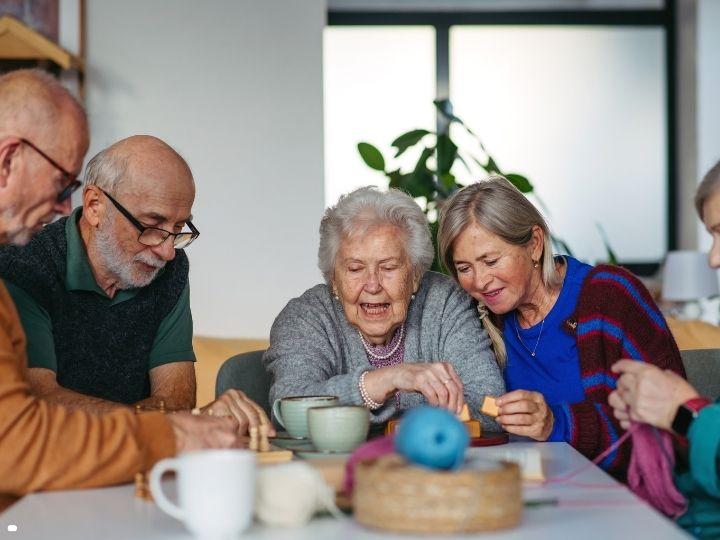
For people living with disability, building meaningful relationships and staying connected with the community can significantly improve overall wellbeing. Under the National Disability Insurance Scheme (NDIS), support for increased social and community participation helps participants engage in everyday activities, develop confidence, and create stronger social connections.
Social interaction is more than simply spending time with others. It plays a major role in emotional wellbeing, independence, and personal growth. Through the right NDIS supports, participants can access opportunities that encourage active involvement in their communities.
What Is Increased Social and Community Participation?
Increased social and community participation is an NDIS support category designed to help participants build social skills and become more involved in activities outside their home. These supports aim to improve independence while encouraging people to engage with their local community.
This funding may help participants take part in:
- Community events and recreational activities
- Group programs and workshops
- Sports and fitness activities
- Educational or skill-building classes
- Social outings and group interactions
The focus is to create opportunities that improve inclusion and allow participants to feel connected.
Why Social Connection Is Important
Strong social connections can positively impact both mental and emotional wellbeing. People who regularly interact with others often experience improved confidence and reduced feelings of isolation.
Improved Emotional Wellbeing
Regular social engagement helps individuals build friendships and feel supported. Participating in community activities creates a sense of belonging and purpose.
Building Confidence and Independence
Through NDIS community participation programs, participants learn valuable life skills such as communication, teamwork, and decision-making. These skills often lead to greater independence in everyday life.
Reducing Social Isolation
Many individuals living with disability may experience loneliness due to limited access to community activities. Increased social and community participation supports provide opportunities to interact with others in safe and supportive environments.
How NDIS Supports Community Participation
NDIS funding can provide personalised support based on individual goals and needs. Support workers often assist participants in accessing activities that match their interests.
Examples include:
Learning New Skills
Participants may attend art classes, cooking workshops, or vocational training to improve confidence and independence.
Joining Community Activities
Support may include attending sporting clubs, volunteering opportunities, or local social groups.
Developing Everyday Communication Skills
Regular interaction with others helps participants strengthen communication and build stronger relationships.
Choosing the Right Support Provider
A quality NDIS provider will focus on creating opportunities that match personal goals and interests. The right provider encourages long-term growth while helping participants enjoy meaningful social experiences.
When selecting a provider, look for experience in social and community participation NDIS services, flexible support options, and personalised care plans.
Frequently Asked Questions
What does increased social and community participation mean in NDIS?
It refers to supports that help participants engage in community activities, build relationships, and develop social skills.
Can NDIS fund recreational activities?
Yes. If recreational activities align with a participant’s goals, NDIS funding may cover support needed to participate.
How does community participation improve independence?
It helps individuals build confidence, improve communication skills, and develop the ability to engage more independently in everyday situations.

 English
 Arabic
 French
 Spanish
 Portuguese
 Deutsch
 Turkish
 Dutch
Dutch
 Russian
 Romaian
 Portuguese (Brazil)
 Greek
Greek