
How Often Should You Have a Dental Check-Up?

Regular dental check-ups are one of the simplest ways to maintain healthy teeth and gums while preventing costly dental problems. If you've been searching for a dental clinic near me, you're already taking the first step towards protecting your oral health. Routine visits allow your dentist to detect issues early, provide preventive care, and keep your smile looking and feeling its best.
While many people assume they only need to visit the dentist when something hurts, preventive care is far more effective than waiting for a dental emergency.
Why Regular Dental Check-Ups Matter
A dental examination is about much more than checking for cavities. During your appointment, your dentist will assess your overall oral health, including your teeth, gums, bite, and soft tissues. Professional cleans also remove plaque and tartar that brushing and flossing cannot eliminate.
Regular check-ups can help:
- Detect tooth decay before it becomes painful
- Identify gum disease in its early stages
- Screen for oral cancer
- Check existing fillings, crowns, and other restorations
- Remove plaque and tartar build-up
- Provide personalised oral hygiene advice
Preventive care is usually simpler, less invasive, and more affordable than treating advanced dental problems.
How Often Should You Visit the Dentist?
Every Six Months for Most People
For many Australians, visiting the dentist every six months is recommended. These routine appointments help monitor oral health and catch developing issues before they become serious.
During your visit, your dentist may perform:
- A comprehensive dental examination
- Professional teeth cleaning
- Digital X-rays if required
- Gum health assessment
- Preventive treatment recommendations
Some People May Need More Frequent Visits
Certain patients benefit from check-ups every three to four months, particularly if they have:
- Gum disease
- A history of frequent cavities
- Diabetes
- A weakened immune system
- Orthodontic appliances such as braces
- Heavy plaque or tartar build-up
- Smoking habits
Your dentist will recommend a schedule based on your individual oral health needs.
Signs You Should Book an Appointment Sooner
Don't wait until your next routine examination if you notice:
Persistent Tooth Pain
Pain often indicates decay, infection, or damage that requires prompt attention.
Bleeding or Swollen Gums
Healthy gums should not bleed during brushing or flossing.
Broken or Chipped Teeth
Even minor damage can worsen if left untreated.
Bad Breath That Doesn't Improve
Persistent bad breath may signal gum disease, decay, or infection.
How Regular Check-Ups Save You Money
Preventive dentistry often reduces the need for complex procedures such as root canal treatment, crowns, or tooth extractions. Early diagnosis means smaller problems can be treated before they become expensive restorative procedures.
Routine visits also help preserve your natural teeth for longer, improving both oral health and long-term costs.
Tips to Maintain Healthy Teeth Between Appointments
Brush Properly
Brush twice daily using fluoride toothpaste and a soft-bristled toothbrush.
Floss Every Day
Cleaning between your teeth removes plaque that brushing alone cannot reach.
Limit Sugary Foods and Drinks
Reducing sugar intake lowers the risk of tooth decay.
Stay Hydrated
Water helps wash away food particles and supports saliva production, which naturally protects your teeth.
Choosing the Right Dental Practice
When selecting a dentist, consider:
- Preventive-focused care
- Modern diagnostic technology
- Comprehensive dental services
- Convenient appointment availability
- Experienced dental professionals
- Positive patient reviews
Finding the right provider helps make regular dental care easier and more comfortable.
Final Thoughts
Routine dental check-ups play a vital role in preventing oral health problems before they become serious. While six-monthly visits are suitable for many people, your dentist may recommend a different schedule depending on your oral health and risk factors. Consistent preventive care, combined with good home oral hygiene, is the best way to maintain a healthy smile for years to come.
Frequently Asked Questions
1. How often should adults have a dental check-up?
Most adults benefit from visiting the dentist every six months, although some may require more frequent appointments based on their oral health.
2. Can I wait until I have tooth pain before seeing a dentist?
No. Many dental problems develop without noticeable symptoms. Regular examinations help identify issues early before pain occurs.
3. Are dental cleanings necessary if I brush every day?
Yes. Professional cleanings remove hardened tartar that cannot be removed with brushing or flossing alone.
4. How long does a routine dental check-up take?
Most routine appointments take between 30 and 60 minutes, depending on whether X-rays or professional cleaning are required.
5. What should I expect during my first dental visit?
Your first appointment typically includes a comprehensive examination, medical history review, oral cancer screening, gum assessment, and a discussion about any recommended treatment or preventive care.
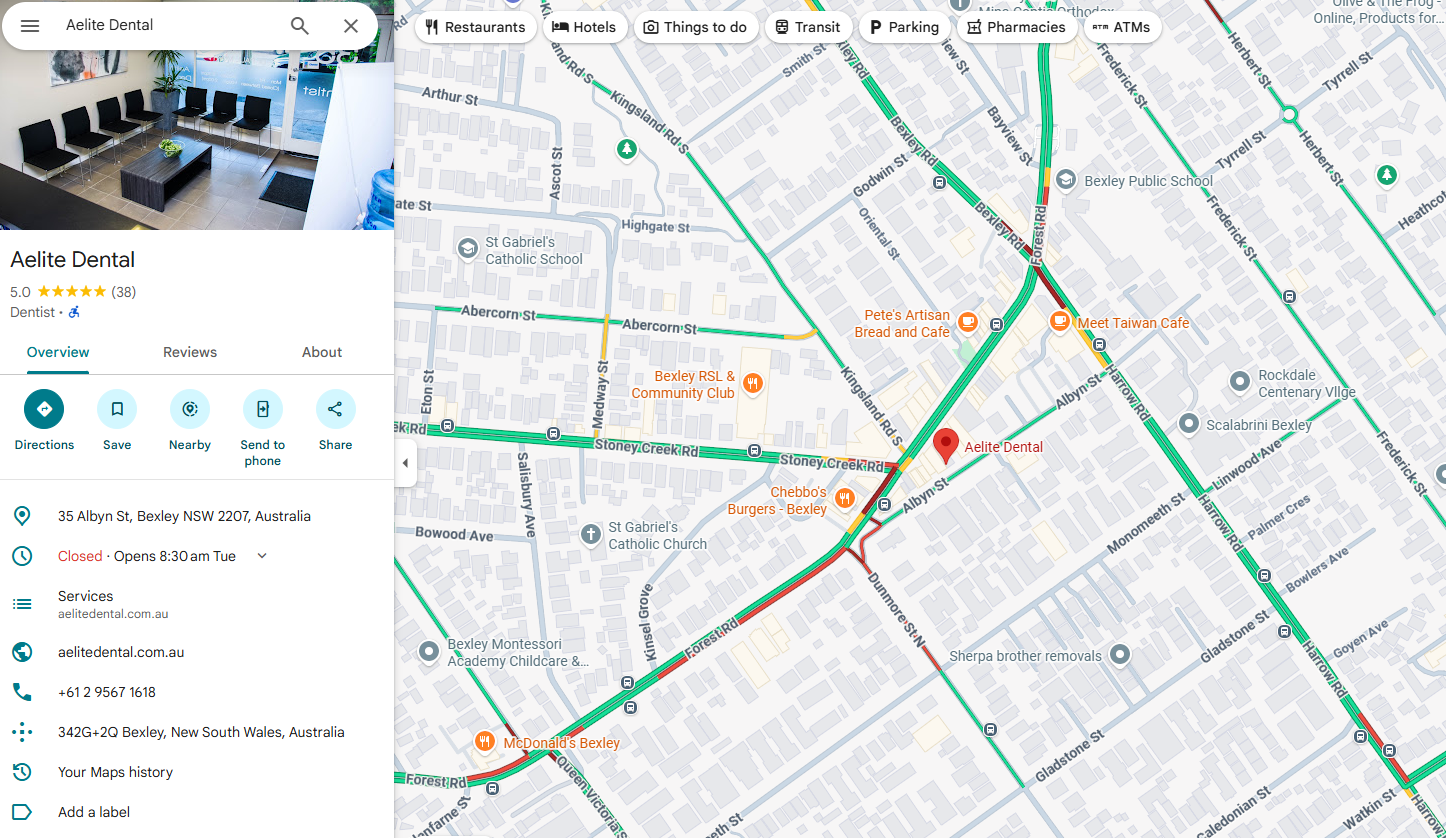
Aelite Dental
35 Albyn St,
Bexley NSW 2207, Australia
02 9567 1618


 English
 Arabic
 French
 Spanish
 Portuguese
 Turkish
 Dutch
Dutch
 Italiano
 Russian
 Romaian
 Portuguese (Brazil)
 Greek
Greek