
Why Pump Efficiency Audits Are Important for Factories
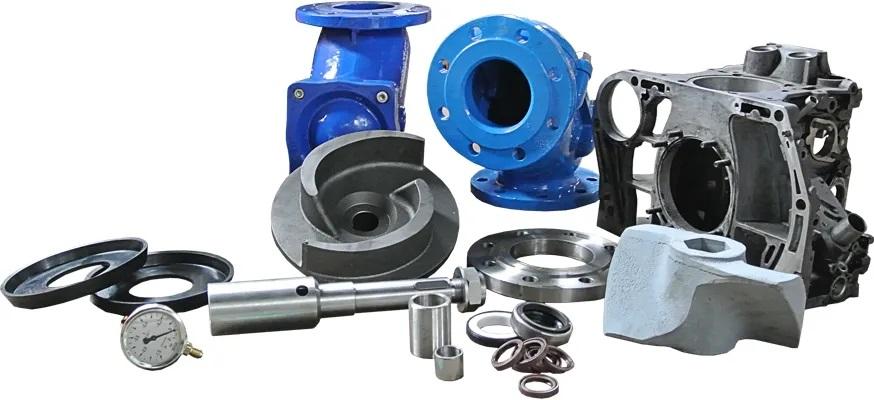
Pump systems play a major role in keeping factories running smoothly. They move water, chemicals, oils, and many other fluids that are essential for different industrial processes. However, pumps can lose efficiency over time because of wear, poor maintenance, wrong sizing, or changes in operating conditions. This is why pump efficiency audits are becoming more important for factories that want to improve performance, reduce energy use, and manage long-term costs effectively.
A pump efficiency audit is a detailed check of how well a pump is performing compared to how it should perform. It involves inspecting pump components, measuring flow and pressure, checking vibration, and reviewing energy consumption. Many factories run pumps continuously, which means even a small drop in efficiency can lead to large energy losses and higher bills. By conducting audits regularly, factories can catch problems early before they turn into expensive failures.
One of the biggest reasons pump efficiency audits matter is energy savings. Pumps often consume a large portion of the total electricity used in industrial plants. When a pump is not working efficiently, it requires more power to deliver the same output. Issues like clogged pipes, worn impellers, or incorrect pump selection can cause excess energy use. An audit helps identify these problems and provides recommendations for fixing them. Even improving pump efficiency by a few percentage points can save thousands of dollars each year for a large factory.
Another benefit of pump audits is improved reliability. When pumps are not inspected regularly, they may develop hidden issues that lead to breakdowns. A sudden pump failure can stop production, cause delays, and result in costly repairs. During an audit, technicians check for early signs of failure such as misalignment, bearing problems, seal leakage, or vibration issues. Fixing these small problems early prevents major failures and keeps the factory running without interruptions.
Pump efficiency audits also help factories reduce maintenance costs. Without proper monitoring, pumps often follow a “run until failure” pattern. This not only increases downtime but also leads to more expensive repairs. Audits allow factories to shift to a planned maintenance approach instead of emergency repairs. When maintenance is done at the right time, parts last longer, operating conditions stay stable, and overall maintenance spending decreases. Factories can also use audit data to plan spare parts inventory and avoid unnecessary replacements.
In addition to cost and reliability benefits, pump audits improve overall system performance. Sometimes pumps are oversized or operating outside their best efficiency range. When this happens, the pump may produce too much pressure or flow, leading to wasted energy and premature component wear. An audit helps identify whether a pump is correctly sized for the current process. If changes in production have occurred over time, the pump may no longer be the right fit. Adjustments such as trimming the impeller or installing variable frequency drives (VFDs) can improve performance significantly.
Environmental benefits are another important reason factories invest in pump audits. Energy-efficient pumps reduce electricity consumption, which lowers carbon emissions. Many industries are required to follow environmental and energy-saving regulations, and regular pump audits help them meet these standards. By improving pump performance, factories contribute to cleaner and more sustainable industrial operations.
Another advantage of pump audits is better decision-making. When factories have accurate information about pump performance, they can make smarter investments. They can decide whether a pump should be repaired, upgraded, or replaced. This prevents wasting money on unnecessary new equipment or continuing to operate an inefficient system. For example, a factory working with an industrial pump supplier can use audit data to select the right pump model and technology for future improvements.
In conclusion, pump efficiency audits are essential for factories that want to improve performance, save energy, reduce costs, and maintain reliable operations. They help detect problems early, extend pump life, and ensure pumps operate at their best efficiency. As industries continue to focus on energy saving and sustainability, regular pump audits will play an even bigger role in factory management. For any company that relies heavily on pumping systems, investing in efficiency audits is a smart and beneficial decision.

 English
 Arabic
 Spanish
 Portuguese
 Deutsch
 Turkish
 Dutch
Dutch
 Italiano
 Russian
 Romaian
 Portuguese (Brazil)
 Greek
Greek