
What Makes RWA Token Development Important for Web3 Finance?
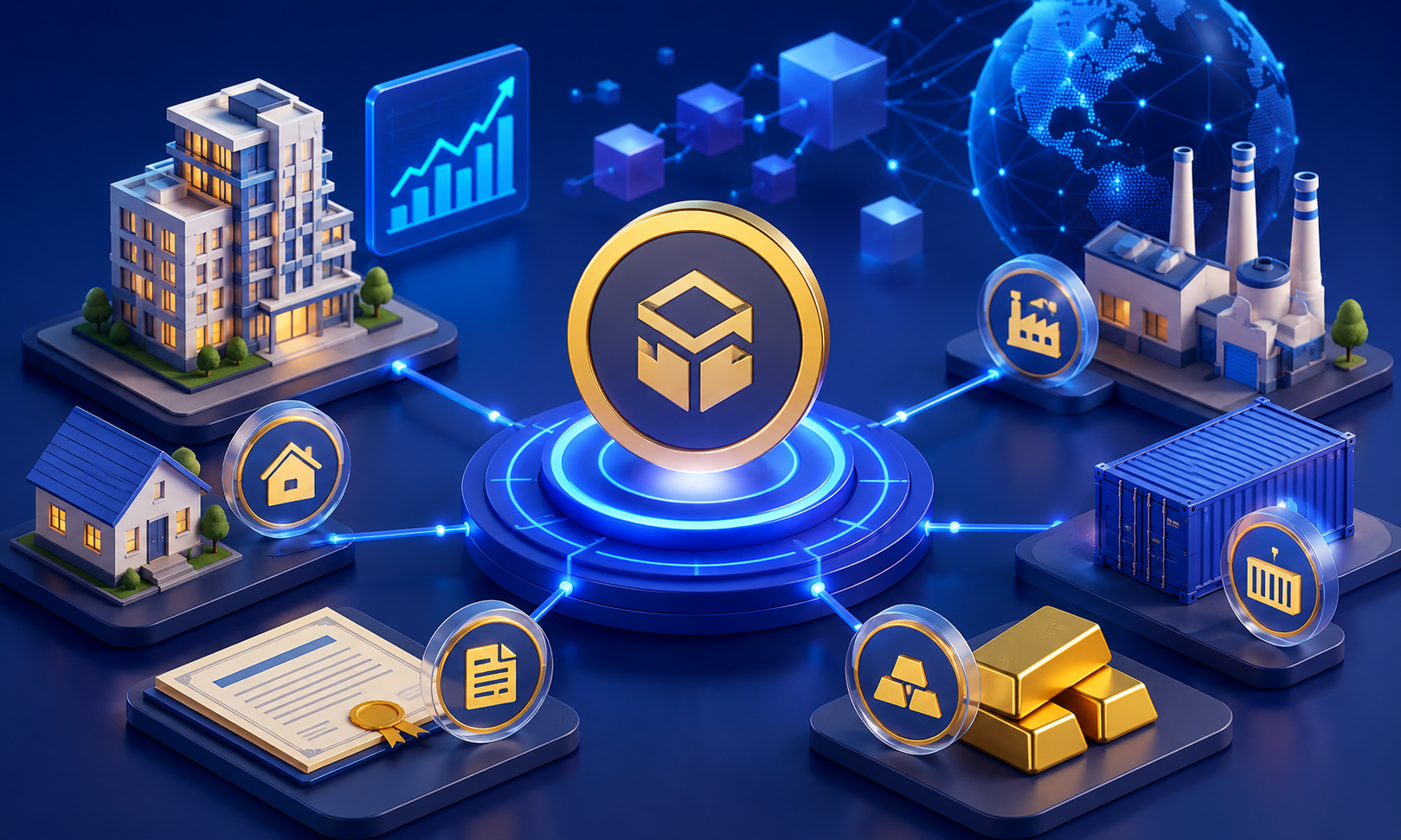
Web3 finance has moved far beyond cryptocurrencies and speculative digital assets. Businesses, investment groups, banks, real estate firms, and asset owners are now paying attention to asset-backed blockchain ecosystems. This shift has increased interest in RWA token development because it connects physical assets with decentralized financial systems in a practical manner.
Traditional finance still faces several limitations. Asset ownership often remains restricted to large investors, cross-border transactions can take days, and liquidity for high-value assets remains limited. Real estate, commodities, bonds, invoices, collectibles, and private equity usually require lengthy paperwork and intermediaries before transactions are completed. Web3 finance attempts to reduce these issues through blockchain-based ownership systems.
Real World Asset Tokenization introduces a structure where tangible assets can be represented digitally through blockchain networks. This allows assets to be divided into smaller portions, traded digitally, and accessed by a wider investor audience. As decentralized finance matures, RWA Tokenization is becoming one of the most discussed sectors in blockchain markets.
The growing interest in institutional blockchain adoption is another reason RWA token development is gaining attention. Financial firms are no longer viewing blockchain only as cryptocurrency infrastructure. Instead, they are considering how tokenized assets can fit within lending, borrowing, collateralization, and digital investment products.
This article explains why Real World Asset Tokenization matters for Web3 finance, how it works, its advantages, industry applications, technical structure, and why businesses are investing in rwa tokenization platform development.
Understanding RWA Token Development
RWA token development refers to the process of converting ownership rights of real-world assets into blockchain-based digital tokens. These tokens represent value connected to a physical or traditional financial asset.
The process usually involves:
- Asset identification
- Ownership verification
- Legal documentation
- Smart contract creation
- Token issuance
- Marketplace integration
- Compliance procedures
Assets involved in RWA Tokenization may include:
- Real estate properties
- Gold and precious metals
- Treasury bonds
- Fine art
- Carbon credits
- Agricultural assets
- Intellectual property
- Luxury collectibles
- Trade invoices
- Stocks and private equity
In Web3 finance, these tokenized assets can interact with decentralized applications, lending systems, exchanges, and liquidity pools.
Why Web3 Finance Needs Real-World Assets
Early decentralized finance ecosystems mainly focused on cryptocurrencies. While this created innovation, it also introduced volatility concerns. Many DeFi protocols depended heavily on speculative assets that experienced rapid price fluctuations.
Real World Asset Tokenization introduces more stable value sources into blockchain ecosystems. Physical assets usually have measurable market demand and established pricing structures. This creates more balanced financial activity inside Web3 environments.
For example, tokenized treasury bonds or rental-income properties may provide predictable returns compared to highly volatile crypto assets. Institutional participants often prefer this structure because it aligns more closely with traditional finance models.
RWA Tokenization also expands the size of blockchain-based finance markets. The value of global real-world assets is significantly larger than the cryptocurrency market. Bringing even a small percentage of these assets onto blockchain systems creates substantial economic activity.
How RWA Tokenization Works
The structure behind RWA Tokenization combines legal ownership with blockchain technology.
Asset Evaluation
The selected asset undergoes verification and valuation procedures. Legal ownership records, market value, and compliance requirements are reviewed.
Token Structure Creation
Digital tokens are designed to represent ownership or fractional ownership of the asset. Smart contracts define token rules, transfer conditions, investor rights, and transaction logic.
Custody and Compliance
The physical asset is usually held by a custodian or legal entity. Compliance procedures such as KYC and AML checks are included before token distribution.
Blockchain Integration
The tokenized asset is issued on a blockchain network. Common blockchain options include Ethereum, Polygon, Solana, and Avalanche.
Secondary Market Access
Once issued, tokens may be traded through approved digital marketplaces or decentralized exchanges.
This process is handled by businesses specializing in RWA tokenization development services and legal blockchain frameworks.
Fractional Ownership Changes Investment Participation
One of the biggest reasons businesses pursue RWA token development is fractional ownership.
Traditionally, assets like commercial real estate or private equity require large amounts of capital. Many investors cannot participate because of financial barriers.
With RWA Tokenization, ownership can be divided into smaller token units. Investors may purchase portions of an asset rather than buying the entire asset itself.
For example:
- A $10 million property can be divided into 1 million tokens
- Investors may purchase small fractions
- Ownership records remain stored on blockchain networks
- Revenue distribution can occur through smart contracts
This structure increases participation in investment opportunities that were previously limited to institutional or high-net-worth investors.
Liquidity Improvement in Traditionally Illiquid Markets
Many traditional assets suffer from low liquidity. Selling a property, artwork collection, or private investment stake may take weeks or months.
Real World Asset Tokenization introduces digital transfer systems that may reduce settlement times and simplify trading activity.
Tokenized assets can move through digital marketplaces more efficiently than traditional ownership transfers. This creates improved access to buyers and sellers across different regions.
Liquidity improvements may benefit:
- Real estate firms
- Commodity traders
- Infrastructure investment groups
- Venture capital firms
- Debt financing businesses
For Web3 finance platforms, liquid tokenized assets create more opportunities for lending, collateral usage, and portfolio diversification.
Smart Contracts Reduce Manual Processes
Traditional asset management involves multiple intermediaries:
- Brokers
- Banks
- Lawyers
- Transfer agents
- Registrars
- Settlement providers
RWA Tokenization uses smart contracts to automate many transaction activities.
Smart contracts can manage:
- Dividend distribution
- Interest payments
- Ownership records
- Revenue sharing
- Voting rights
- Transfer restrictions
- Compliance checks
This reduces administrative delays and minimizes repetitive manual processing.
Businesses working with an RWA tokenization development company often focus heavily on smart contract security because asset-backed systems involve financial and legal responsibilities.
Institutional Interest in Tokenized Assets
Institutional participation in blockchain finance has increased rapidly in recent years. Banks, asset managers, and investment firms are examining tokenized financial products more seriously.
Several reasons explain this interest:
Faster Settlement Systems
Blockchain systems may reduce multi-day settlement periods.
Better Asset Accessibility
Tokenized markets can operate globally without heavy geographic restrictions.
Digital Ownership Records
Blockchain networks maintain permanent ownership histories.
Programmable Finance
Financial agreements can function through automated logic.
Portfolio Diversification
Institutions can access alternative investments more efficiently.
Large financial firms are studying Real World Asset Tokenization because it combines traditional finance principles with blockchain transaction systems.
Use Cases of RWA Token Development
Real Estate Tokenization
Real estate remains one of the largest sectors within RWA Tokenization.
Benefits include:
- Fractional property ownership
- Rental income distribution
- Lower entry barriers
- International investor access
- Faster fundraising
Property developers and investment firms increasingly seek rwa tokenization platform development solutions to digitize property investments.
Commodity Tokenization
Precious metals, oil reserves, and agricultural products can be tokenized for digital trading.
Examples include:
- Gold-backed tokens
- Silver-backed assets
- Agricultural commodity contracts
- Carbon credit markets
Debt and Bond Markets
Government bonds and corporate debt instruments may become accessible through blockchain token systems.
Advantages include:
- Reduced settlement delays
- Better investor access
- Automated coupon payments
- Improved trading efficiency
Invoice Financing
Businesses can tokenize unpaid invoices and raise capital more efficiently through blockchain investment platforms.
Intellectual Property Assets
Music rights, patents, and licensing agreements can be represented digitally through blockchain ownership systems.
Compliance Matters in RWA Tokenization
Regulation plays a major role in Real World Asset Tokenization Services.
Unlike utility tokens or meme coins, tokenized assets usually involve ownership rights tied to regulated financial instruments.
Compliance procedures may include:
- KYC verification
- AML monitoring
- Securities law compliance
- Investor accreditation checks
- Regional licensing requirements
- Custodian partnerships
A professional RWA Tokenization Company generally works with legal advisors and compliance specialists before launching tokenized asset platforms.
Businesses entering this market must understand regional regulations carefully because financial laws vary between jurisdictions.
Role of Blockchain Networks in RWA Tokenization
Blockchain infrastructure affects the performance of tokenized asset systems.
Different blockchain networks offer different advantages.
Ethereum
Widely used for smart contracts and institutional tokenization ecosystems.
Polygon
Offers lower transaction fees and faster processing speeds.
Solana
Known for high transaction throughput.
Avalanche
Supports enterprise blockchain applications and asset issuance.
The blockchain selection process depends on:
- Transaction volume
- Security requirements
- Ecosystem compatibility
- Regulatory considerations
- Marketplace integration
Companies involved in rwa tokenization development services usually evaluate these factors before platform deployment.
Security Considerations in RWA Token Development
Asset-backed blockchain systems require strict security practices.
Potential risks include:
- Smart contract vulnerabilities
- Custody failures
- Compliance violations
- Wallet breaches
- Oracle manipulation
Security methods often include:
- Smart contract audits
- Multi-signature wallets
- Asset insurance
- Custodian verification
- Penetration testing
- Cold storage infrastructure
Security remains one of the most important factors for investors considering RWA Tokenization projects.
Why Businesses Are Investing in RWA Tokenization Platform Development
Businesses are increasingly interested in blockchain-backed asset systems for several reasons.
New Capital Formation Methods
Tokenized fundraising can attract global investors.
Digital Investment Products
Companies can introduce blockchain-based investment markets.
Market Expansion
Smaller investors gain access to premium asset classes.
Operational Efficiency
Automated smart contract systems reduce manual administration.
Competitive Financial Infrastructure
Digital asset systems may attract modern investors and institutional partnerships.
As a result, demand for RWA tokenization development company services continues increasing across multiple industries.
RWA Tokenization and DeFi Integration
One of the most important developments in Web3 finance is the integration between tokenized assets and decentralized finance platforms.
Tokenized assets may be used for:
- Lending collateral
- Yield-generating pools
- Stable investment products
- Borrowing systems
- Cross-border payments
This connection brings real-world value into DeFi ecosystems.
For example, a tokenized real estate asset may be used as collateral for decentralized lending protocols. Investors can participate in blockchain finance while holding exposure to physical assets.
This structure creates more balanced financial ecosystems compared to crypto-only markets.
Challenges Facing RWA Token Development
Despite growing interest, several challenges remain.
Regulatory Complexity
Global regulations differ significantly across countries.
Custody Requirements
Physical assets require verified storage and ownership management.
Market Education
Many traditional investors still lack understanding of blockchain-based ownership systems.
Liquidity Fragmentation
Secondary markets for tokenized assets are still developing.
Technical Integration
Blockchain systems must integrate with traditional financial infrastructure.
Even with these challenges, businesses continue investing heavily in Real World Asset Tokenization because of long-term financial opportunities.
Future Outlook of RWA Tokenization in Web3 Finance
The future of Web3 finance may depend heavily on asset-backed blockchain systems.
Industry analysts expect continued growth in:
- Tokenized real estate
- Digital bond markets
- Commodity-backed assets
- Institutional blockchain products
- Decentralized lending markets
As regulations become more structured and institutional participation increases, RWA token development may become a normal component of financial ecosystems.
Blockchain finance is gradually shifting from speculative-only systems toward utility-driven financial markets connected to real economic assets.
This change is one reason why RWA Tokenization Services are receiving increasing attention from enterprises, startups, and investment firms worldwide.
Conclusion
RWA token development is becoming an important part of Web3 finance because it connects blockchain systems with physical and traditional financial assets. Through fractional ownership, digital asset transfers, automated smart contracts, and broader investor participation, Real World Asset Tokenization introduces practical financial use cases beyond speculative cryptocurrency trading. Businesses across real estate, commodities, lending, and investment sectors are increasingly studying RWA Tokenization to modernize asset management and digital fundraising structures. As regulatory clarity improves and institutional participation grows, tokenized assets may become a larger part of decentralized finance ecosystems. Companies seeking secure and compliant blockchain asset solutions are now working closely with providers offering RWA tokenization development services, rwa tokenization platform development, and enterprise blockchain integration. Blockchain App Factory provides Real World Asset Tokenization Services for businesses looking to enter the evolving Web3 finance market through secure and structured digital asset ecosystems.

 English
 French
 Spanish
 Portuguese
 Deutsch
 Turkish
 Dutch
Dutch
 Italiano
 Russian
 Romaian
 Portuguese (Brazil)
 Greek
Greek