
Electric vs Gas Boilers: Why Industrial Leaders Choose Electric Steam

When industrial facilities evaluate their steam generation options, the debate between electric steam generators and gas boilers remains a critical decision point affecting operational costs, safety protocols, and environmental compliance. Understanding the fundamental differences between these technologies enables facility managers to make informed investments aligned with modern manufacturing requirements.
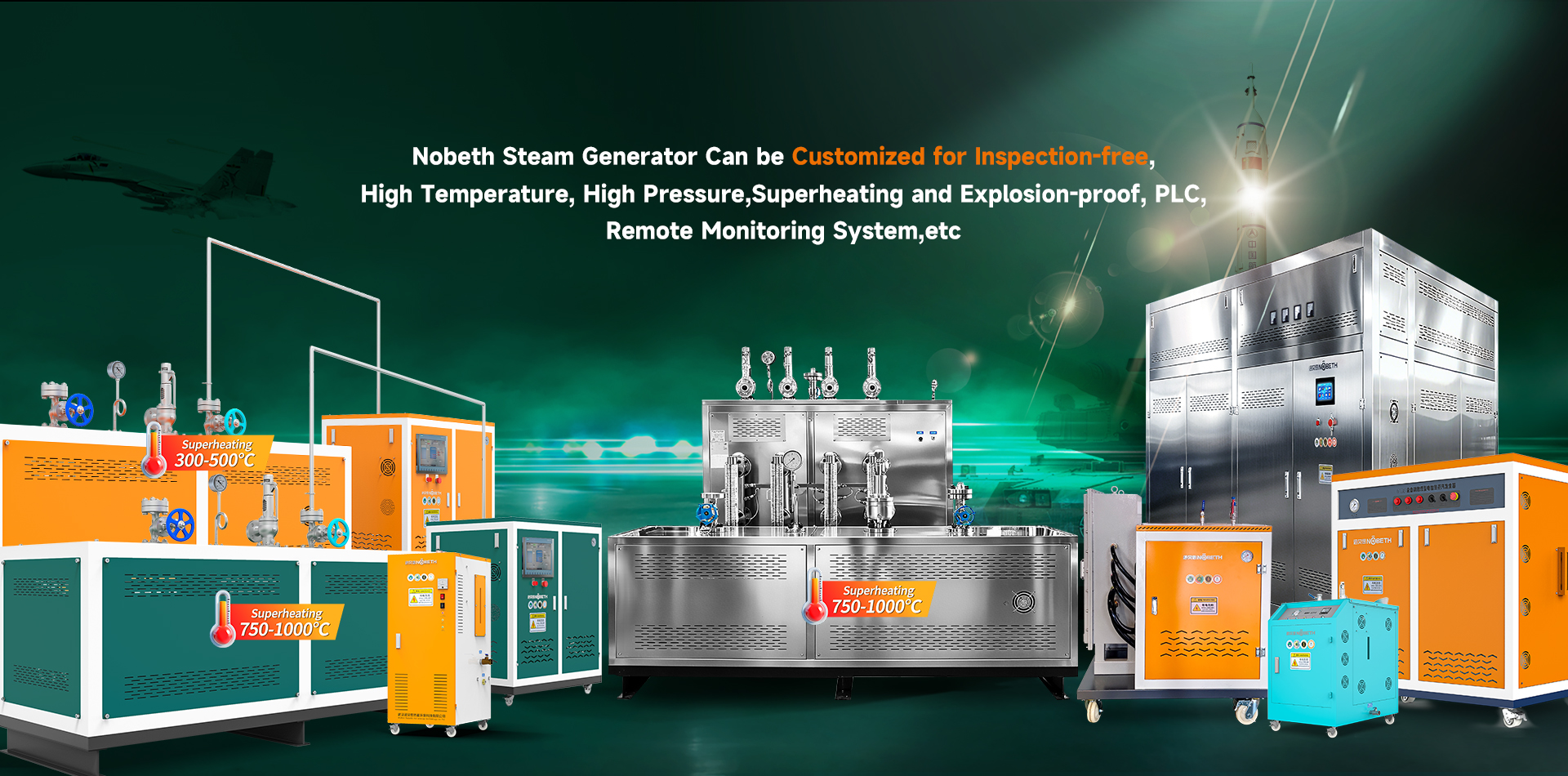
The Core Technology Divide
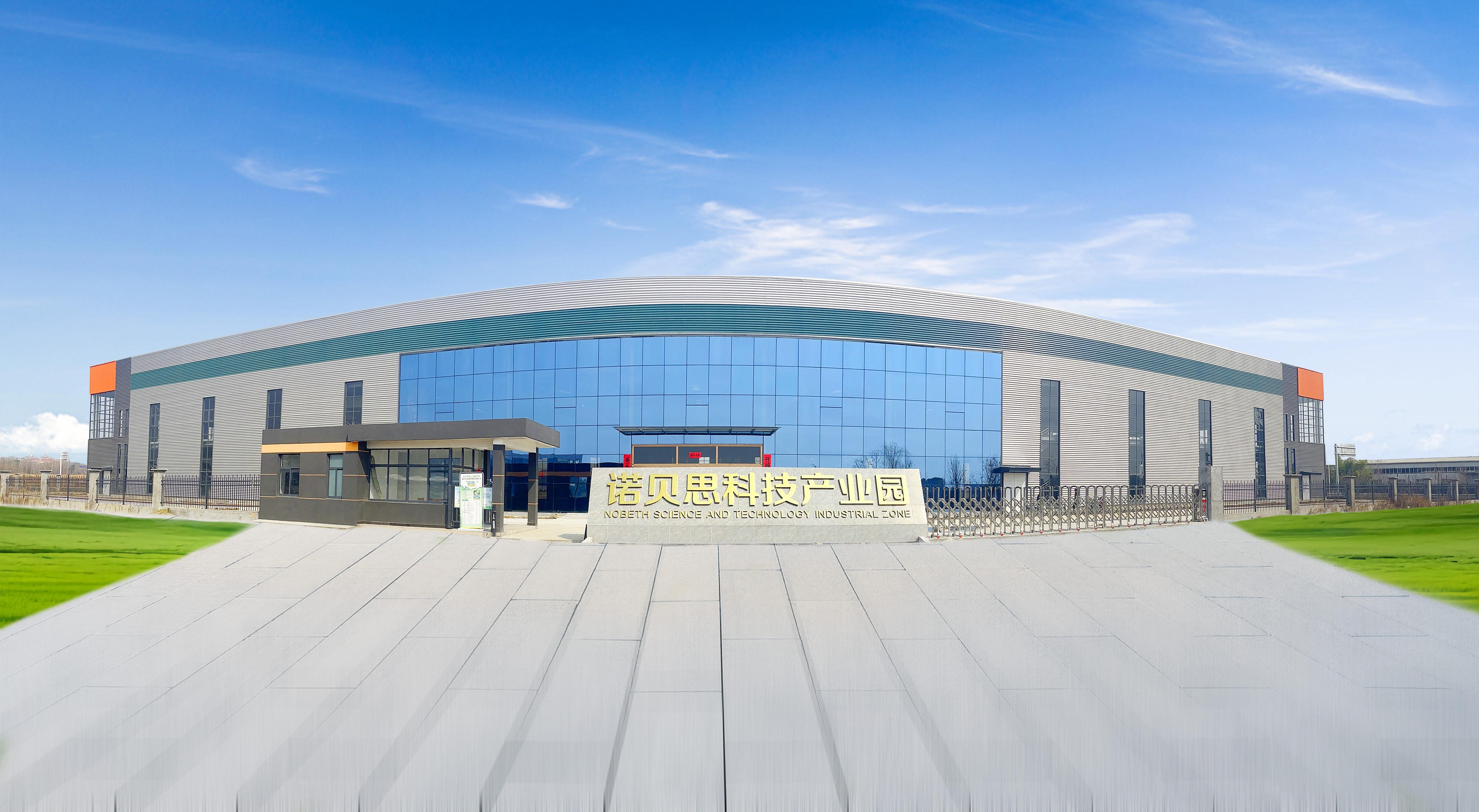
Electric steam generators and gas boilers represent fundamentally different approaches to thermal energy production. Gas boilers combust natural gas or liquefied petroleum gas to heat water, creating steam through traditional combustion chambers and heat exchangers. This process inherently involves open flames, exhaust emissions, and complex fuel delivery systems requiring regular maintenance and safety monitoring.
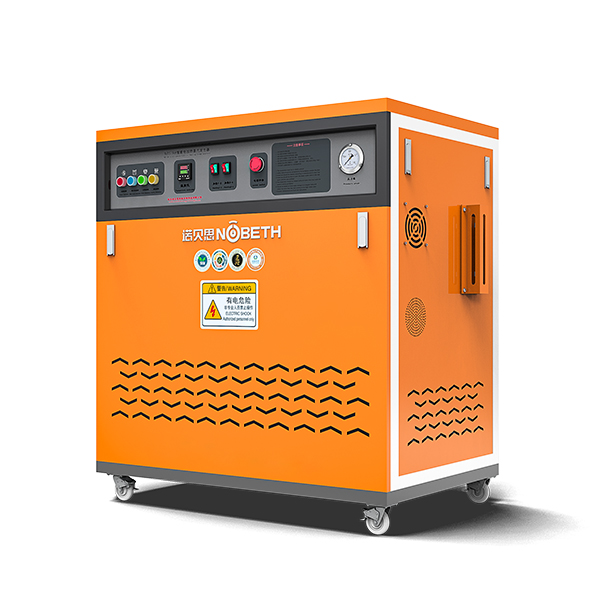
Electric steam generators eliminate combustion entirely, converting electrical energy directly into thermal energy through heating elements immersed in water. This water-electricity separation design fundamentally transforms the safety profile and operational characteristics of steam production. The absence of combustion byproducts means zero emissions at the point of use, addressing increasingly stringent environmental regulations in pharmaceutical, food processing, and healthcare sectors.
Thermal Efficiency: The Hidden Cost Factor
Thermal efficiency represents the percentage of input energy successfully converted to usable steam. Traditional gas boilers typically achieve thermal efficiency ranging from 80-85%, with significant energy loss through exhaust gases and radiation. The combustion process inherently wastes energy as hot flue gases exit through the chimney, carrying away heat that cannot be recovered in conventional systems.
Advanced electric steam generators achieve thermal efficiency exceeding 98% through optimized heat transfer design. Nobeth Group's electric steam generation systems exemplify this technological advantage, utilizing threaded pipe technology and vertical double-return structures that maximize heat exchange surface area while minimizing thermal loss. This efficiency translates directly to operational cost savings—facilities using high-efficiency electric systems report electricity expenditure reductions exceeding 30% compared to equivalent gas boiler installations.
The efficiency advantage compounds when considering waste heat recovery integration. Electric systems enable straightforward integration of heat recapture mechanisms that redirect residual thermal energy back into the production process, further reducing total energy consumption without complex modifications.
Precision Control and Production Quality
Manufacturing processes requiring consistent temperature regulation expose critical weaknesses in gas boiler technology. Combustion-based systems experience inherent temperature fluctuations as burner cycles modulate flame intensity to maintain pressure. These variations, often ranging ±2-3°C, create quality control challenges in temperature-sensitive applications.
Electric steam generators provide temperature control accuracy within ±0.5°C through PLC intelligent control systems with real-time feedback mechanisms. This precision proves essential in pharmaceutical manufacturing, where sterilization validation requires documented temperature stability, and in textile dyeing operations, where thermal consistency directly impacts color uniformity. A Zhejiang dyeing factory implementing pure steam generators achieved a 25% increase in color consistency and reduced customer returns by 80% by eliminating temperature-induced quality defects.
Multi-gear power adjustment capabilities enable electric systems to match steam output precisely to real-time demand, eliminating the energy waste associated with maintaining minimum pilot flames in gas systems or cycling burners on and off to meet variable loads.
Safety Considerations in Hazardous Environments
Industrial facilities processing combustible dusts, volatile chemicals, or operating in confined spaces face significant safety constraints with gas boilers. The combination of open flames, combustible fuel supplies, and potential ignition sources creates compounding risk factors requiring extensive safety infrastructure, including explosion-proof enclosures, gas detection systems, and emergency shutdown protocols.
Electric steam generators eliminate ignition sources entirely, making them inherently suitable for hazardous environment classifications. Nobeth's explosion-proof equipment designs specifically address flour mills, chemical processing facilities, and petrochemical operations where dust explosion risks or volatile atmospheres prohibit open-flame equipment. These systems maintain full operational capability while meeting stringent explosion-proof certifications, enabling safe steam generation in previously restricted applications.
The water-electricity separation design provides additional safety advantages by preventing electrical contact with steam-carrying components, reducing shock hazards and simplifying maintenance procedures in continuous-operation environments.
Space Requirements and Installation Flexibility
Gas boiler installations demand substantial infrastructure including fuel storage tanks, gas line installations, combustion air intake systems, exhaust stack construction, and dedicated boiler rooms meeting ventilation and clearance requirements. These spatial demands often limit placement options and require significant capital investment beyond the equipment cost.

Electric steam generators operate with minimal spatial footprint, requiring only electrical connections and water supply. Skid-mounted portable designs enable installation in space-constrained facilities without structural modifications. The compact vertical configuration of advanced electric systems delivers high steam capacity within limited floor space—critical for urban facilities or retrofit applications where expanding physical infrastructure proves prohibitively expensive.
Operational Simplicity and Remote Management
Gas boilers require trained operators familiar with combustion management, fuel system maintenance, and emissions monitoring. Daily operations include burner inspection, flame monitoring, fuel pressure verification, and combustion efficiency testing. These requirements increase labor costs and create dependency on specialized technical knowledge.
Electric steam generators simplify operations through automated PLC control systems with intuitive touch-screen interfaces. The integration of 5G IoT and AI-enabled remote monitoring capabilities transforms steam generation from a manually intensive process to an automated system requiring minimal on-site intervention. Facilities equipped with 485 communication ports enable integration into broader industrial control ecosystems, providing real-time performance data, predictive maintenance alerts, and remote adjustment capabilities.
Hospitals such as Shandong General Hospital deploy these systems for 24-hour continuous CSSD sterilization operations, achieving 100% uptime for critical medical instrument processing without dedicated boiler operator staffing.
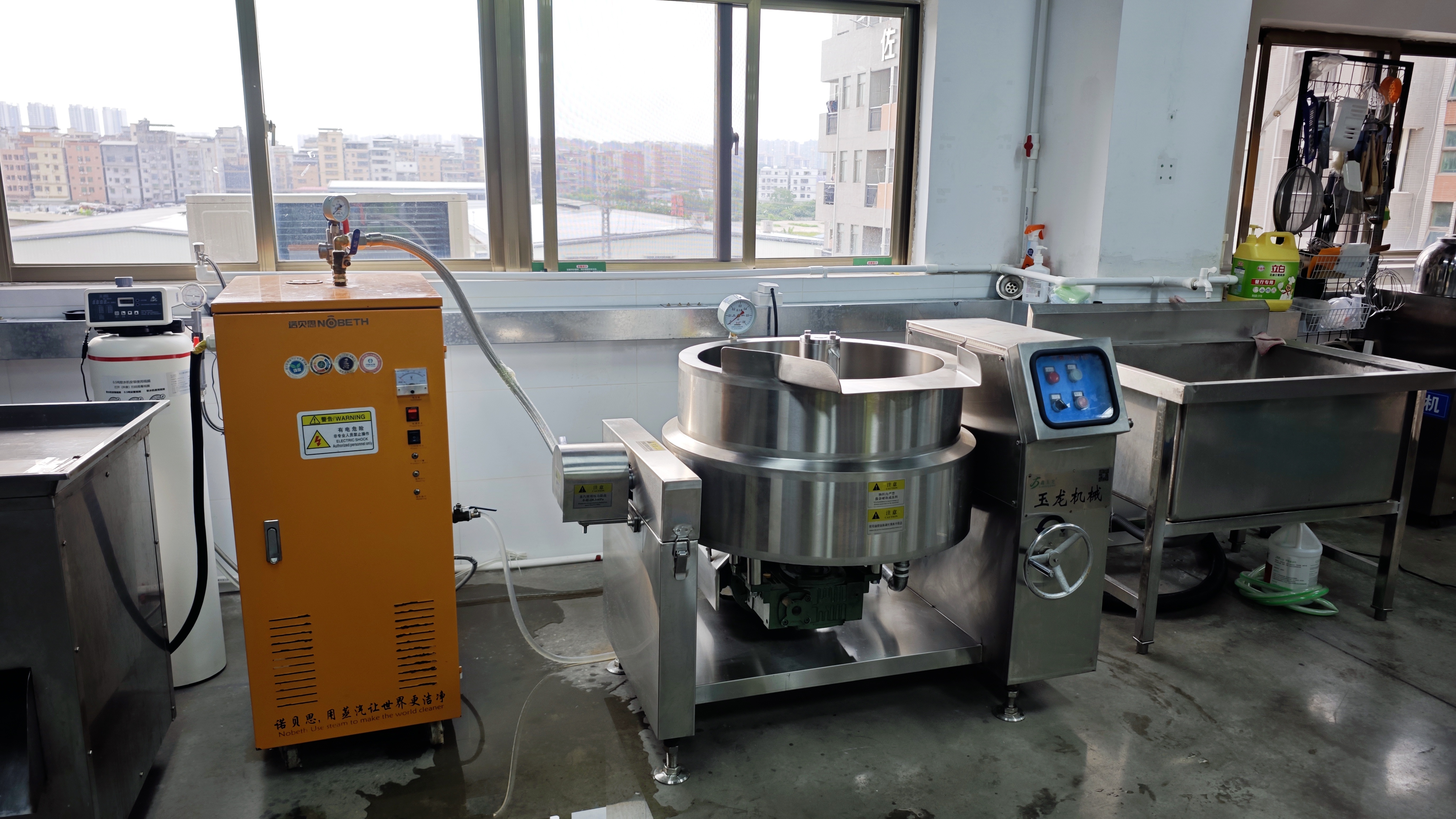
Purity Requirements in Sensitive Applications
Food processing, pharmaceutical manufacturing, and healthcare sterilization applications demand chemical-free steam to prevent product contamination. Gas combustion inherently introduces combustion byproducts including carbon dioxide, nitrogen oxides, and trace hydrocarbons into steam output, necessitating additional purification stages or specialized clean steam generators as secondary systems.
Electric pure steam generators produce pharmaceutical-grade steam through multi-stage steam-water separation without chemical additives or combustion contaminants. Construction from 316L stainless steel ensures material compatibility with stringent hygiene standards, enabling direct steam contact with products, medical devices, and food ingredients without contamination risk. This single-system approach eliminates the capital and operational costs of dual boiler configurations required when using gas systems in purity-critical applications.
Long-Term Cost Analysis
Initial equipment costs represent only one component of total ownership expenses. Gas boiler operations incur ongoing fuel costs subject to volatile natural gas pricing, while electric systems benefit from more stable and predictable utility rates in many regions. Maintenance requirements differ substantially—gas systems require annual burner tune-ups, combustion chamber inspection, fuel system servicing, and periodic refractory replacement, while electric generators demand primarily routine element inspection and basic electrical system checks.
Regulatory compliance costs favor electric systems in jurisdictions with carbon pricing, emissions reporting requirements, or air quality restrictions. The absence of combustion eliminates emissions testing requirements, air permits, and potential carbon tax liabilities, streamlining regulatory compliance.
Making the Strategic Choice
The optimal steam generation technology depends on facility-specific factors including available utilities, production requirements, spatial constraints, safety classifications, and purity needs. Gas boilers may retain advantages in locations with inexpensive natural gas and high electricity costs, or in extremely high-capacity installations where electrical infrastructure proves limiting.
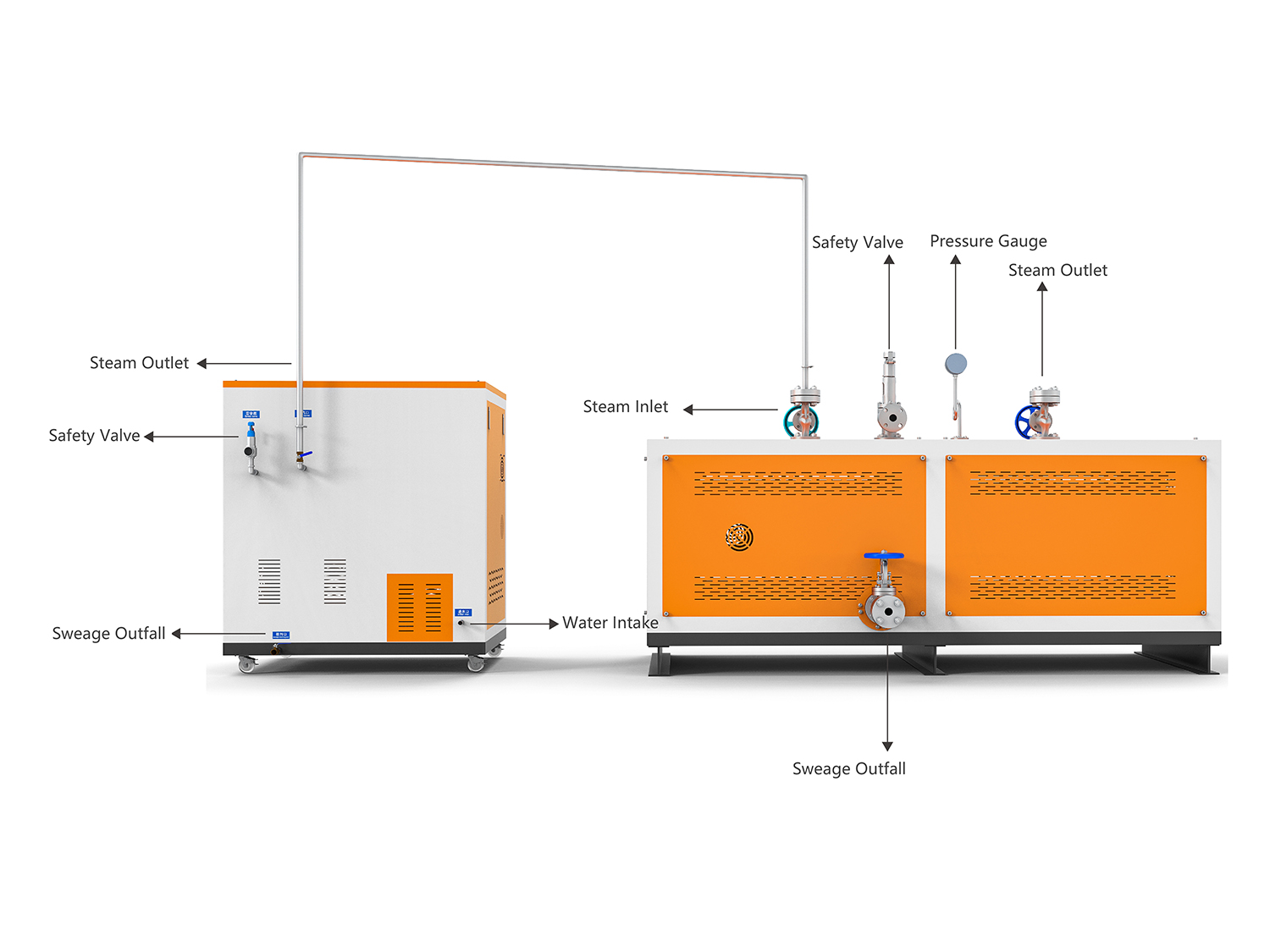
However, the convergence of efficiency advantages, precision control, safety benefits, environmental compliance, and operational simplicity increasingly favors electric steam generation for modern industrial facilities. Organizations prioritizing sustainability, operational reliability, and regulatory future-proofing find electric systems aligned with strategic objectives.
Companies like Nobeth Group, with 26 years of specialized thermal energy experience and 113 national patents, demonstrate the maturation of electric steam technology from niche application to mainstream industrial solution. Serving major brands such as Jinlongyu and supporting operations from central kitchens feeding 6,000+ people to university research laboratories, these systems validate electric steam generation as a proven, scalable technology capable of meeting diverse industrial thermal energy requirements.
The transition from combustion-based to electric steam generation represents not merely an equipment upgrade, but a fundamental shift in how industrial facilities approach thermal energy management—prioritizing efficiency, precision, safety, and environmental responsibility as core operational principles rather than secondary considerations.

 Arabic
 French
 Spanish
 Portuguese
 Deutsch
 Turkish
 Dutch
Dutch
 Italiano
 Russian
 Romaian
 Portuguese (Brazil)
 Greek
Greek