
How Do Professional Caregivers Spot Health Decline Before It's Critical
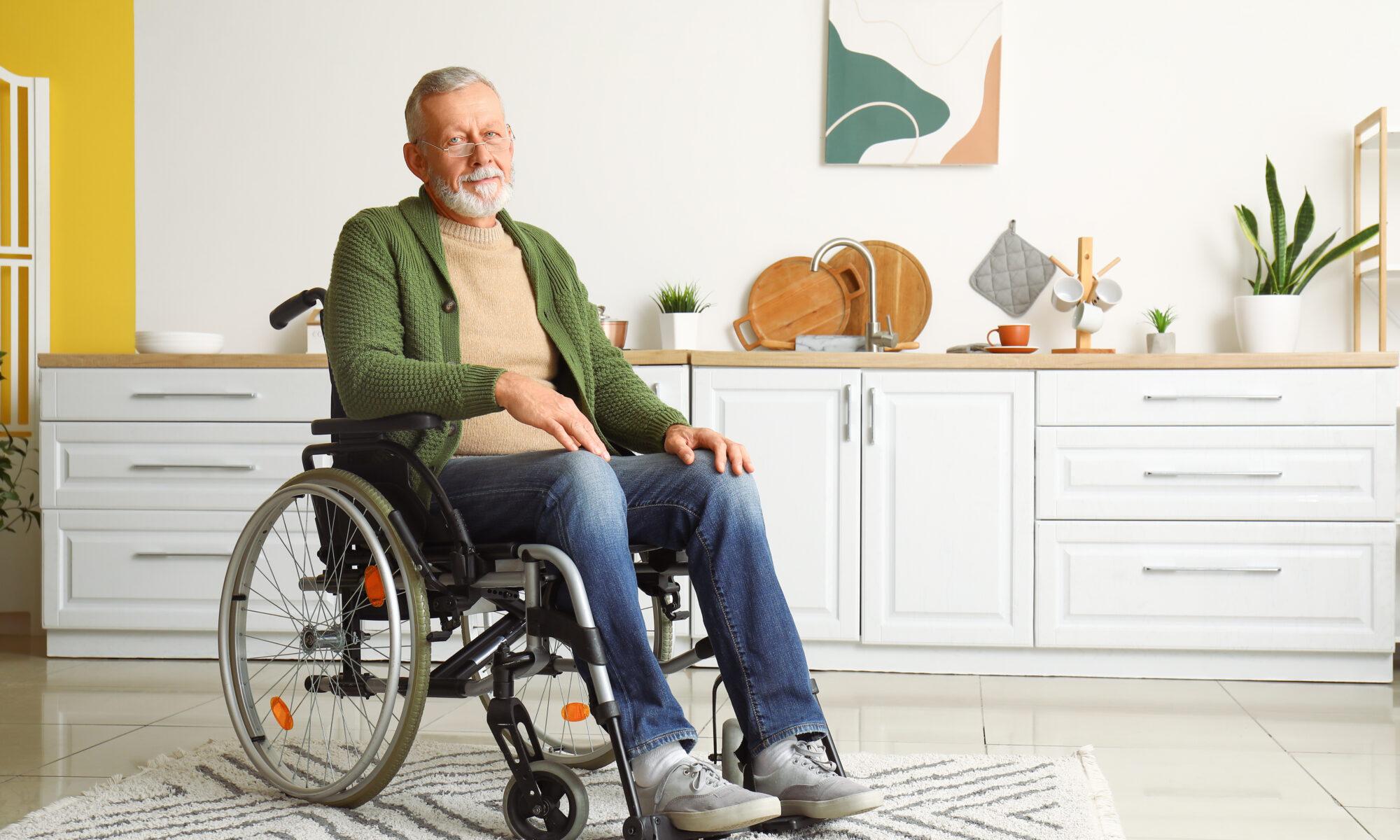
One of the most valuable skills professional home care brings isn't something most people think about when they hire caregivers. It's the ability to recognize subtle changes in someone's health status before those changes become medical emergencies. While family members might miss early warning signs because they see their loved one regularly, professional caregivers know exactly what changes signal that medical attention is needed. This skill often prevents hospitalizations and serious complications.
The Daily Observation Advantage
Professional home care providers spend significant time in someone's home, often daily or several times weekly. This regular presence creates unique observation opportunities that doctors and nurses can't get during occasional clinical visits. A professional caregiver notices patterns and changes gradually. They see how someone's mobility is shifting, whether appetite is decreasing, if personality or mood seems different, or if someone is less alert than usual.
This daily observation means changes get caught early, often before they're obvious enough for someone to seek medical attention. What families might attribute to a bad day or normal aging, professionals recognize as potential health issues requiring evaluation. This early recognition can mean the difference between managing something at home and experiencing a medical crisis.
Spotting Decline Through Behavioral Changes
One of the earliest indicators of health problems in older adults involves behavior and mental status changes. Increased confusion, unusual irritability, withdrawal from activities they usually enjoy, changes in sleep patterns, or excessive fatigue often signal developing infections, medication issues, or other medical problems. Professional caregivers know these changes warrant medical evaluation rather than being written off as age-related.
Someone with urinary tract infections might not have obvious symptoms beyond increased confusion or personality changes. Someone developing pneumonia might not complain of chest pain but might become more withdrawn or less alert. Someone with thyroid problems might show depression-like symptoms. Professional caregivers familiar with these presentations catch them quickly and communicate concerns to doctors.
Professional caregivers watch for:
• Increased confusion or difficulty with memory and thinking
• Unusual mood changes like uncharacteristic irritability or sadness
• Withdrawal from activities previously enjoyed
• Changes in sleep patterns or excessive fatigue
• Personality shifts that seem out of character
• Decreased interest in hygiene or grooming
• Reduced appetite or unusual eating changes
Physical Changes That Signal Decline
Beyond behavioral changes, professional caregivers notice physical changes that might indicate health problems. Someone losing weight unexpectedly could have dental problems making eating difficult, medication side effects, depression affecting appetite, or serious medical conditions. Skin changes, swelling in legs or feet, new bruising, or difficulty with balance can all signal problems requiring medical attention.
Professionals know which physical changes are typically normal aging and which warrant investigation. They notice if someone's walking is becoming unsteady differently than usual arthritis-related decline. They see if swelling appears in patterns suggesting circulation problems rather than just occasional puffiness. They track if incontinence is increasing or if bathroom visits are becoming more frequent or urgent. These observations guide doctors significantly. Rather than a patient saying 'I've been fine,' a doctor hears from the professional caregiver 'His balance has noticeably decreased in the last two weeks' or 'She's been eating only half her meals and refusing foods she usually enjoys.' This specific information helps doctors move more quickly toward appropriate evaluation.
Medication and Side Effect Recognition
Professional home care providers develop expertise in recognizing medication-related problems. Someone starting a new medication might develop side effects that family members don't immediately connect to the medication. Dizziness, increased confusion, unusual appetite changes, or behavioral shifts might be medication effects rather than new medical problems. Professional caregivers with experience quickly recognize these patterns and communicate them to doctors for potential adjustment.
They also monitor medication compliance. If someone isn't taking medications properly, their condition might deteriorate while everyone assumes they're medicated. Professional caregivers notice missed doses, improper timing, or refusal that leads to declining control of chronic conditions.
Understanding medication effects includes:
• Recognition of common medication side effects
• Observation of how new medications affect the person
• Monitoring for drug interactions symptoms
• Tracking whether symptoms improve or worsen after medication changes
• Ensuring medications are taken at appropriate times
• Noticing if someone is avoiding medications due to side effects
Communication With Healthcare Providers
Spotting decline means nothing unless that observation reaches the doctor promptly. Professional caregivers know how to communicate concerns effectively. They provide specific observations rather than vague complaints. They track when changes started, how they're progressing, and what makes them better or worse. They know which changes warrant urgent medical attention and which can be reported during regular appointments.
This communication prevents situations where important information gets lost or minimized. A doctor hearing directly from someone spending hours weekly with the patient gets more reliable information than occasional family reports. Professional caregivers are trained to be credible information sources that doctors rely on for accurate patient status updates.
Building Confidence in Your Care Team
Knowing someone trained to spot health changes is watching your loved one daily provides substantial peace of mind. You can work or manage other responsibilities knowing that subtle changes won't be missed. If something develops, you'll know quickly because professionals are specifically trained to notice and report concerning changes.
This early detection capability actually reduces overall healthcare costs and improves outcomes. Problems caught early often need less intensive treatment than situations that deteriorate into medical crises. Someone with early urinary tract infection signs receives antibiotics quickly, avoiding delirium and complications. Someone with concerning weight loss gets dietary support or medical evaluation preventing further decline. Professional caregivers represent an early warning system that prevents small problems from becoming serious emergencies.
FAQ Section
Q: What changes should a professional caregiver report to a doctor immediately?
A: Sudden behavioral changes, difficulty breathing, chest pain, severe weakness, loss of consciousness, inability to swallow, or severe headache all warrant immediate medical evaluation. Significant confusion, fever, or bleeding also need urgent attention.
Q: How often should caregivers report observations to doctors?
A: Changes requiring urgent evaluation should be reported immediately. Concerning but non-urgent changes should be reported within twenty-four to forty-eight hours. Regular observations can be compiled for discussion during scheduled appointments.
Q: Can caregivers give medical advice or recommend medications?
A: No. Professional caregivers report observations and concerns but don't diagnose or recommend specific treatments. They communicate to doctors and let medical professionals make decisions based on the observations caregivers provide.

 English
 Arabic
 Spanish
 Portuguese
 Deutsch
 Turkish
 Dutch
Dutch
 Italiano
 Russian
 Romaian
 Portuguese (Brazil)
 Greek
Greek